
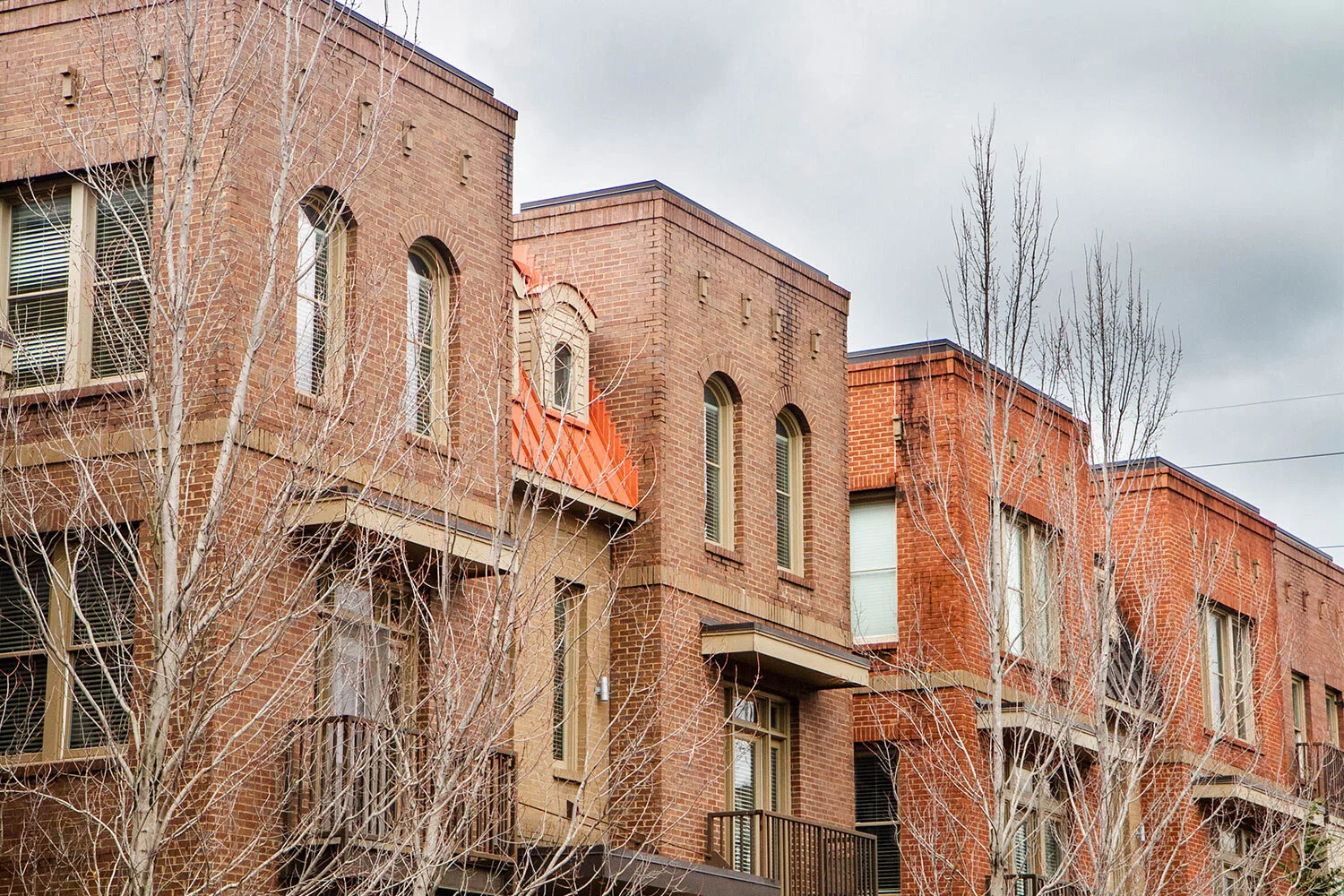
Nashville’s Historic Germantown
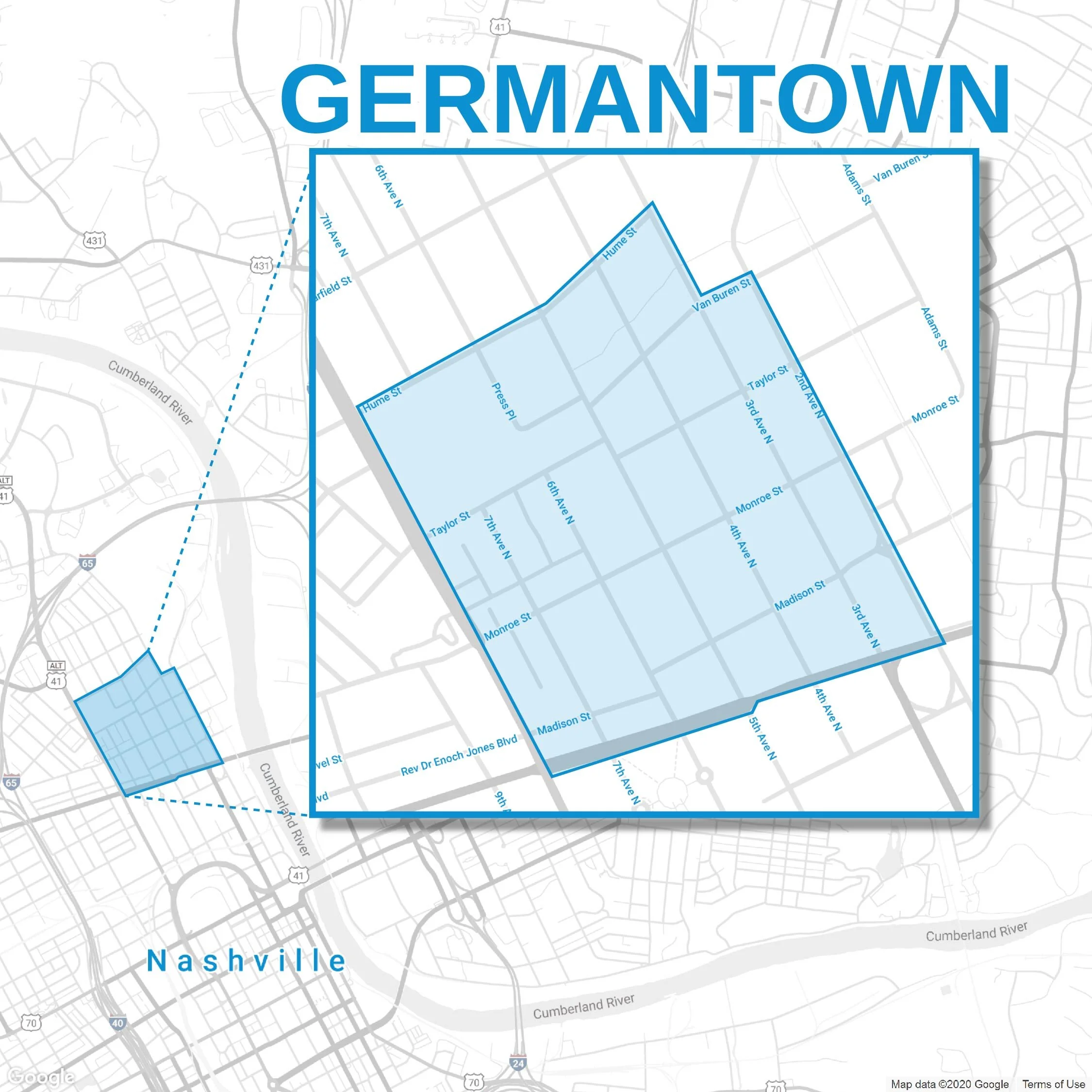
Today, historic Germantown is an 18 square block area that is bounded by Jefferson Street on South, Hume Street on the North, Rosa Parks Boulevard on the West, and 2nd Avenue North on the East.
Tracing Germantown Back to Its Roots

The Marsch House at 7th & Monroe
Germantown’s roots can be traced back to 1786, when James McGavock and his son David, originally from Virginia, purchased 2,240 acres of land situated on both sides of the Cumberland River. The land was later subdivided, developed, and became Nashville’s first residential subdivision.
The area was incorporated in the Nashville City Limits in 1865. At this time, a significant number of German immigrants were contributing to the booming population of residents that lived in some of the largest houses in the area, catalyzing the neighborhood’s economic growth.
Germantown, Nashville’s 9th Ward, has had a number individuals who had established themselves there and became people of great wealth and power. Residents of note include E.B Stahlman (publisher of The Nashville Banner) and George Dickel (distiller) and many others.
The Preservation and Rise of Germantown

Monroe St. Methodist
This district was placed on the National Register of Historic Places in 1979 and contains a wide range of architecture from buildings that were constructed between 1830 and today, which contribute to the neighborhood’s distinct charm. At that time, many of Germantown’s structures were condemned and at risk of demolition due to their being unkempt.
However, thanks to the efforts of the neighborhood’s residents and the more recent arrival of the Nashville Sounds’ new stadium, Germantown was preserved and has become one of the most diverse and in-demand neighborhoods in Nashville.
Where Is Germantown Today?
Today, Germantown is one of Nashville’s hottest urban neighborhoods. The proximity to downtown, beautiful historic homes and buildings, and walkability have lead to the meteoric rise of this neighborhood over the last decade or so.
Bars and restaurants occupy nearly every corner and some of Nashville’s best urban dwelling opportunities lie here with Werthan Lofts, IMT Germantown, and many other new construction and renovated buildings.
Interstate proximity is also outstanding in Germantown - surrounded by interstates and major thoroughfares, you’re never far from any side of Nashville.
Where to eat and drink in Germantown
Germantown is one of the few neighborhoods outside of East Nashville with such a high density of unique bars and restaurants. If you’re looking for places to eat or drink in Germantown, look no further than Butchertown Hall, 5th & Taylor, and Rolf and Daughters.
Where to shop in germantown
Not only does Germantown have outstanding F&B concepts, the neighborhood offers some of Nashville’s most eclectic and inherently “Nashville” retailers. If you’re looking to shop in Germantown, be sure to hit up ABEDNEGO, ALEXIS + BOLT, and Wilder.

About The Author:
Tyler Cauble, Founder & President of The Cauble Group, is a commercial real estate broker and investor based in East Nashville. He’s the best selling author of Open for Business: The Insider’s Guide to Leasing Commercial Real Estate and has focused his career on serving commercial real estate investors as a board member for the Real Estate Investors of Nashville. Learn more at www.TylerCauble.com