

Navigating Real Estate Conferences as an Introvert
As a commercial real estate investor and educator, I've attended my fair share of industry conferences over the years. Despite being comfortable on stage delivering talks and creating educational content for fellow investors, I've always considered myself an introvert at heart.
Navigating the bustling, high-energy atmosphere of these events can be challenging for those of us who find large crowds and constant networking a bit overwhelming. However, through my experiences, I've discovered a few strategies that have helped me make the most of these conferences, even as an introvert.

Leverage Speaking Opportunities
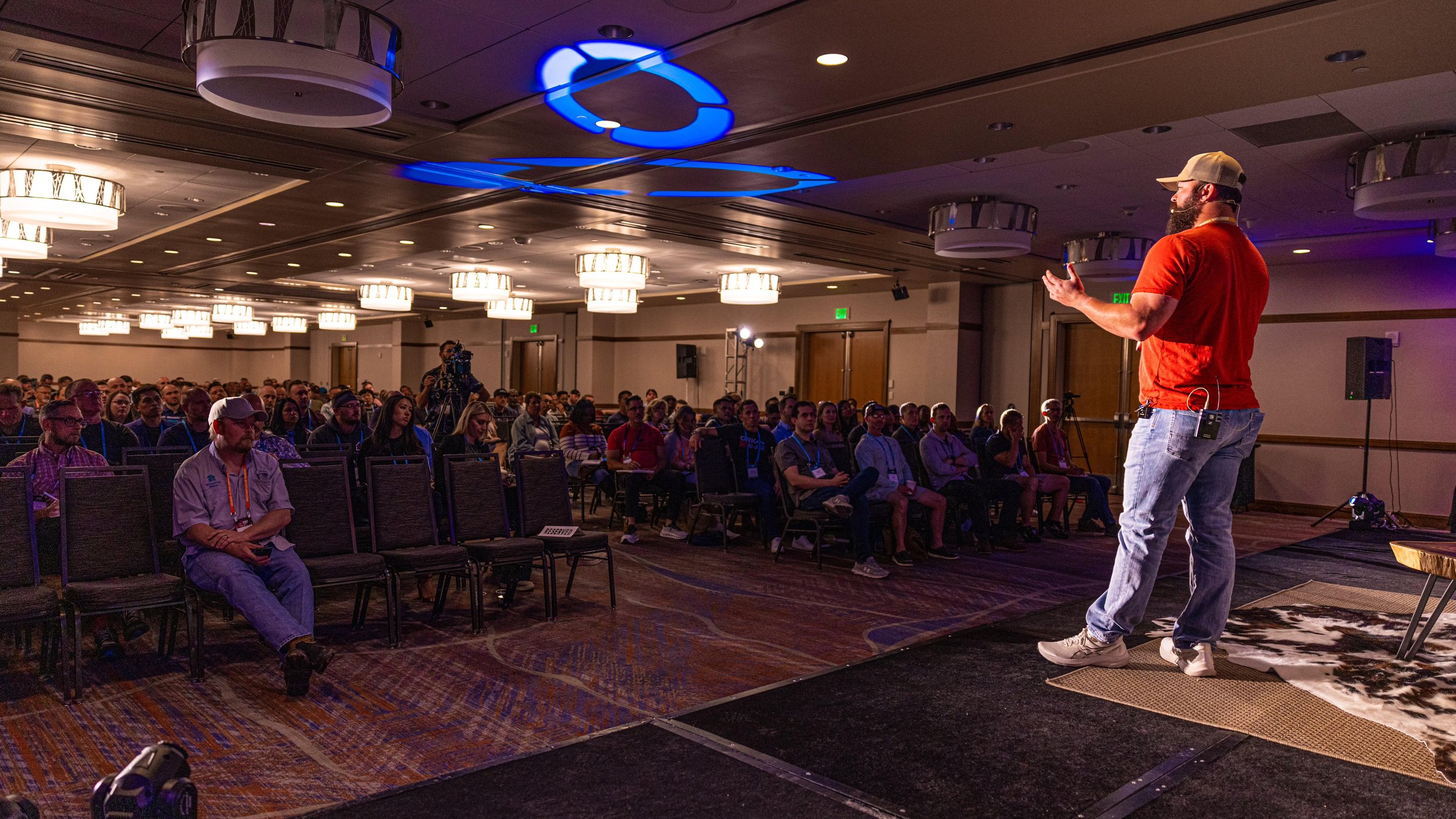
One of the most effective ways I've found to ease the pressure of networking is by speaking at the event itself. While this may seem counterintuitive for an introvert, being on stage establishes you as an authority in your field and naturally draws people to you.
After delivering a talk, attendees who resonated with your message or found your insights valuable will often approach you to continue the conversation.
This organic form of networking feels more comfortable and authentic, as you've already laid the groundwork for meaningful connections through your shared expertise.
To land speaking opportunities, start by identifying conferences that align with your expertise and target audience. Reach out to the event organizers and propose a topic that would provide value to their attendees. Be sure to highlight your experience, unique perspective, and the key takeaways your session will offer.
If you have previous speaking experience or have created content related to your proposed topic, include that information in your pitch to demonstrate your credibility and ability to engage an audience.
Having a commercial real estate YouTube channel has been incredibly helpful for me in gaining new speaking opportunities. The content is out there working for me 24/7.
2. Focus on Quality Over Quantity
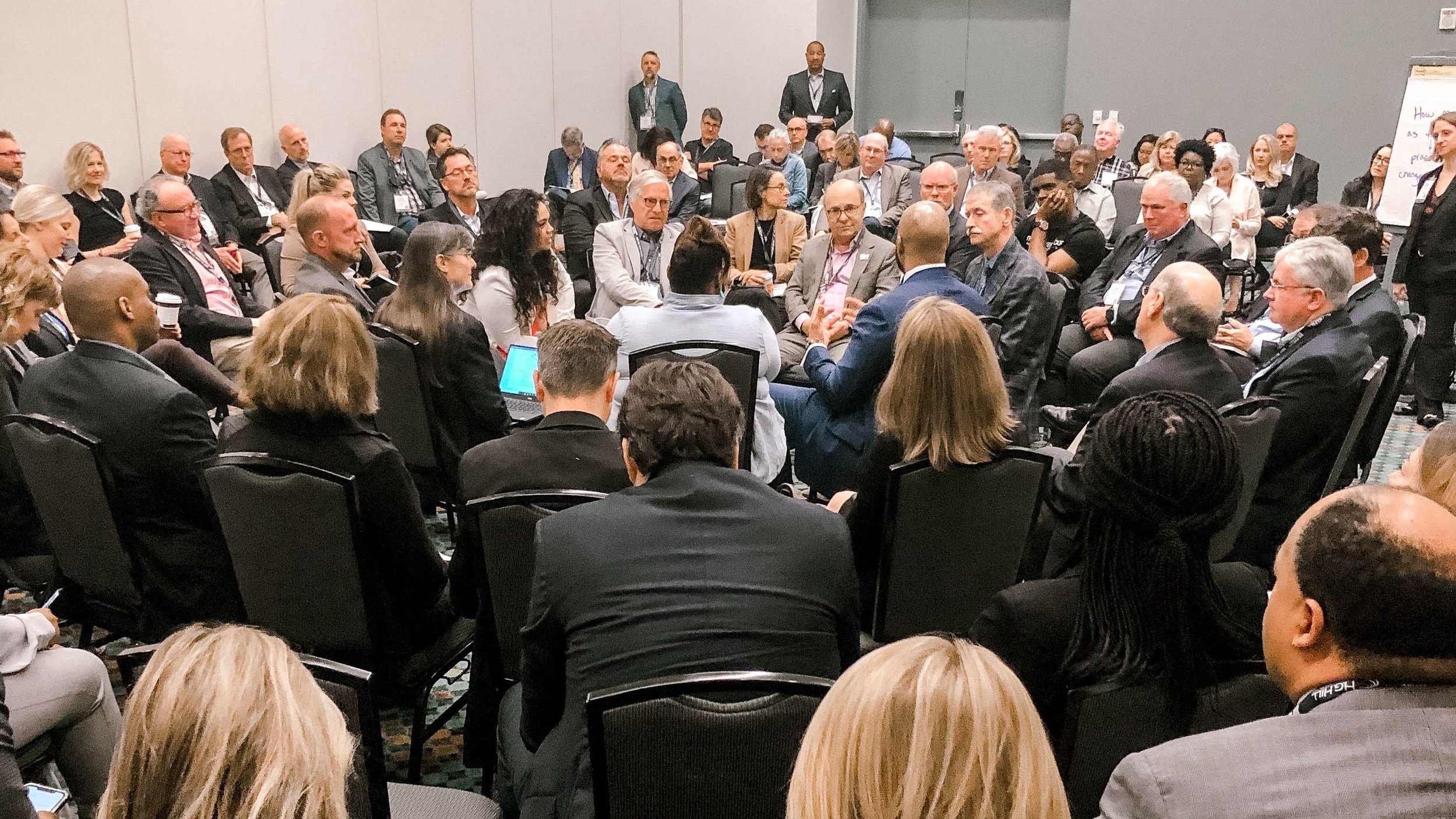
In cases where speaking isn't an option, I've learned that focusing on quality over quantity when it comes to building relationships can be incredibly rewarding.
Rather than attempting to meet and exchange business cards with as many people as possible, try to identify just one or two individuals with whom you genuinely connect.
Engage in deeper conversations, share your experiences, and listen attentively to their stories.
Building a strong rapport with even one person can lead to valuable partnerships, collaborations, or friendships that extend far beyond the conference itself.
In fact, almost all of my success today can be traced back to relationships that I've built at conferences. For example, my real estate syndication abilities – I learned how to syndicate from a few people that I met at an event back in 2017, and that completely changed the trajectory of my commercial real estate investing career. I spent that weekend getting to know them well, then flew out to Atlanta and Austin, where they were located, to spend more time learning from them. I learned enough from those three relationships to pay for the conference 100x over.

3. Befriend the Well-Connected Extroverts
Another strategy I've found particularly helpful is to seek out and befriend the well-connected, extroverted attendees (someone like Alex Felice, who has been an absolute rockstar for me at real estate events). These individuals thrive on meeting new people and have a natural ability to navigate social situations with ease.
By forming a connection with them, you can tap into their extensive network without having to do all the heavy lifting yourself.
They'll often be more than happy to introduce you to others, share valuable insights, and help you feel more at ease in the bustling conference environment.
Remember, as an introvert, you bring a unique set of strengths to these events. Your ability to listen attentively, think deeply, and form genuine connections can be a powerful asset in the world of commercial real estate.
It's important to embrace your natural inclinations and not feel pressured to change who you are to fit in. In my own journey, I've found that the relationships I've built through conferences have been instrumental in my growth as a commercial real estate investor. From my first $575,000 office acquisition to my current portfolio of over $60 million in commercial real estate, the connections I've made have opened doors to new opportunities, provided invaluable advice, and supported me through the challenges of navigating this dynamic industry.

4. Conquering Conferences
Conferences provide a unique opportunity to expand your knowledge, stay up-to-date with industry trends, and connect with like-minded professionals. By implementing these strategies and staying true to yourself, you'll find that these events can be incredibly rewarding, both personally and professionally.
So, to all my fellow introverts out there, know that you can thrive at real estate conferences by playing to your strengths, focusing on meaningful relationships, and leveraging the power of your network. With a bit of strategy and self-awareness, you'll discover that these events can be the catalyst for significant growth and success in your commercial real estate investing career.
Cheers, and I’ll see you at the next one!
Your buildout budget is probably off by six figures. Not off by a little. Off by enough to blow up a deal you just spent three weeks underwriting.