


July '24 Recap: Key Insights from Office Hours
Office Hours is a livestream series hosted by yours truly (Tyler Cauble) on YouTube, designed to answer audience questions about commercial real estate. Every Tuesday, I dive into various topics, providing valuable advice, market insights, and personal experiences to help viewers navigate the complexities of the commercial real estate industry. The series fosters a community of learners and professionals, offering a platform for interactive discussions and knowledge sharing. Here's a recap of the key insights and highlights from the July sessions.

Walgreens Closures and Market Implications
July kicked off with a significant discussion about the impending closures of Walgreens stores across the U.S. Walgreens plans to close a substantial number of its 8,600 locations to reset its business model, which has been struggling. This news sparked a lively debate about the potential opportunities for investors interested in acquiring dark Walgreens properties. These properties, often situated in prime, high-traffic locations, could be repurposed for various uses, making them attractive investment opportunities despite the closures.

2. Launch of the 12 Weeks to Break into CRE Program
One of the major highlights this month was the successful launch of the "12 Weeks to Break into CRE" program. This initiative aims to provide foundational knowledge to aspiring commercial real estate brokers. The program started with a cohort of 27 participants, exceeding the initial target of 20, and is receiving positive feedback. This new venture reflects a growing demand for accessible, comprehensive education in the commercial real estate sector.

3. CRE Conference and Upcoming Events
Plans for a major CRE conference in October were also unveiled. The conference aims to gather between 250 and 500 attendees, featuring keynote speakers, breakout sessions, and exclusive mastermind workshops. This event promises to offer invaluable networking opportunities and insights into current market trends and strategies.
Additionally, the monthly happy hour event continues to be a success, fostering community engagement and providing a relaxed environment for discussing industry topics. The next happy hour is scheduled for August, and anyone interested in commercial real estate is welcome to join.

4. Addressing Market Affordability and Housing
Discussions on market affordability, particularly in Nashville, highlighted the ongoing challenges and potential solutions for developing affordable housing. The conversation underscored the need for government incentives and high-density rezonings to make affordable housing financially viable. These insights are crucial for investors and developers navigating the complexities of the housing market.

5. Q&A Highlights
Financing Commercial Real Estate: Brian’s question on financing deals using properties he currently owns led to a detailed explanation of commercial lines of credit, refinancing options, and leveraging equity as collateral for new loans.
Northwest Arkansas Market: The potential of the Northwest Arkansas market was explored, with a recommendation to reach out to Logan Freeman for more specific insights.
Office Space Conversions: Marcus shared his experience of converting an 8,700-square-foot office space into a flex space, sparking interest in office-to-flex conversions as a viable investment strategy in the current market.
6. Personal Updates and Achievements
Celebrated a birthday with a camping trip at Land Between the Lakes in Kentucky (if you haven’t been, I couldn’t recommend it more!).
Completed a deposition related to a tenant lawsuit, highlighting the importance of having attorney fee clauses in leases to protect against legal expenses.
Working on a new book with plans to release it around the time of the upcoming conference in October.
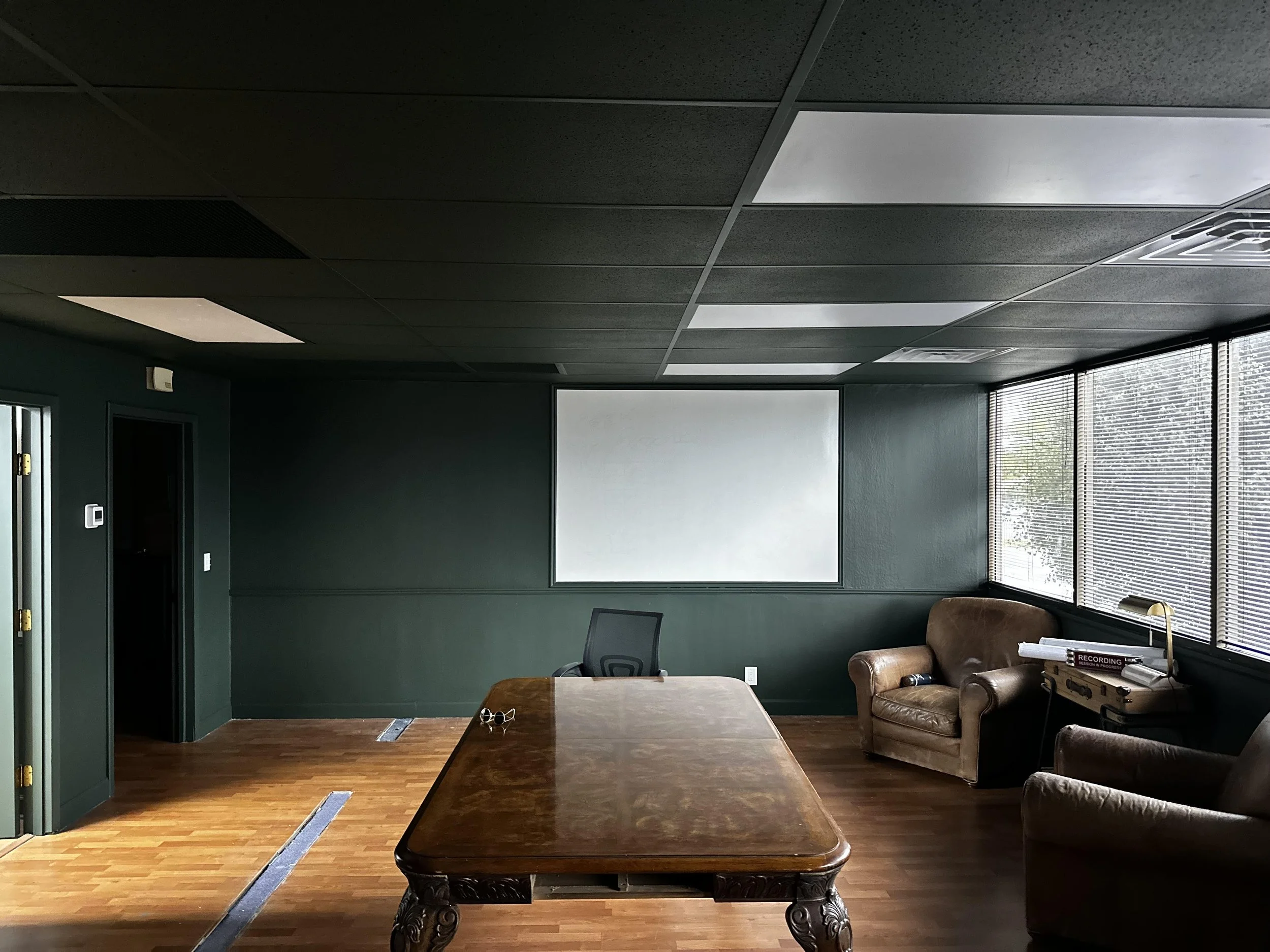
Started setting up a new YouTube studio, enhancing the production quality of content for the channel.

7. It’s been a Great Summer So Far!
July was a month filled with significant updates, insightful discussions, and new initiatives aimed at empowering the commercial real estate community. From the launch of educational programs to preparations for a major conference, the focus remains on providing value and fostering growth within the industry. Stay tuned for more updates and continue to engage with the community through office hours, happy hours, and upcoming events.
For those interested in delving deeper into commercial real estate investing, check out The CRE Accelerator Mastermind. We provide in-depth insights, real-world case studies, and practical strategies to help you navigate the complexities of commercial real estate and achieve success in your ventures. Whether you're a seasoned investor or just starting in the world of commercial real estate, there's always more to learn. Equip yourself with the knowledge and tools you need to thrive in commercial real estate.