
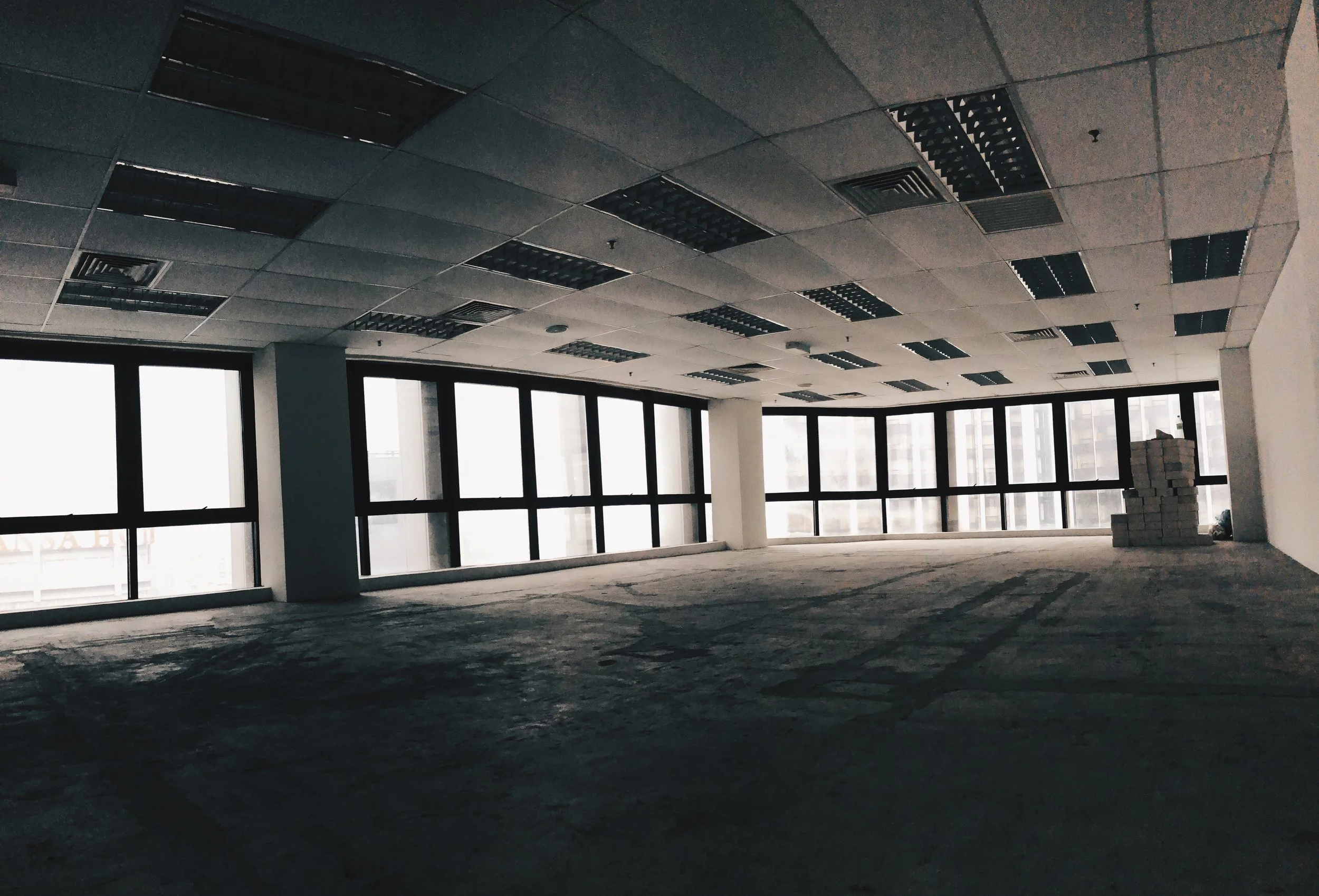
A tenant improvement allowance is one of the most negotiable, highest-dollar line items in a commercial lease, and most tenants leave money on the table because they don't actually know what's reasonable for their use, their market, and the condition of the space. After working with hundreds of tenants over the past decade, here's what I tell every client before they walk into a TI negotiation.
- What is a tenant improvement allowance?
- How TI allowances actually work
- What is a reasonable TI allowance? (typical ranges)
- How TI allowances are calculated
- Interactive TI allowance calculator
- What does a TI allowance cover?
- Amortized TI: when the landlord recoups it through rent
- Accounting and tax treatment
- How to negotiate a bigger TI allowance
- Alternatives: turn-key build-outs and rent abatement
- Worked example: a 2,400 SF retail deal
What is a tenant improvement allowance?
A tenant improvement allowance (TIA or TI) is a dollar amount a landlord pays toward customizing a leased commercial space for the tenant. It is usually expressed as a per-square-foot amount and paid as a reimbursement after the build-out is complete. If the landlord offers $30 per SF on a 3,000 SF space, that's a $90,000 budget for build-out.
The allowance is not free money. It comes out of the landlord's deal economics, which means everything else in the lease (rate, term, escalations, free rent, recoveries) gets negotiated against it. The right way to think about TI is as one slider in a larger deal, not a standalone line item, especially when you also consider how the lease structure (NNN, MG, or FSG) shifts operating-cost responsibility around the same negotiation.
What it usually covers: walls, doors, flooring, ceilings, lighting, HVAC distribution, basic plumbing, paint, and other improvements that become part of the building. What it usually does not cover: your furniture, signage, equipment, point-of-sale systems, IT cabling, or anything you'd take with you at the end of the lease.
How TI allowances actually work
The single most important thing tenants need to understand: you almost always pay for construction up front and the landlord reimburses you after the work is done. The TI allowance is paid as a reimbursement, not a deposit.
Here's the typical flow:
- You hire and pay your contractor as the build-out progresses, just like any construction project.
- You submit a draw package to the landlord with paid invoices, lien waivers, and proof of completion for the work being reimbursed.
- The landlord cuts a check for the TI portion, usually within 30 to 60 days of receiving a clean draw package.
Some deals release TI in stages (rough-in, drywall, completion). Others release the full amount after the certificate of occupancy. Either way, you need working capital to float construction, which catches a lot of first-time tenants by surprise.
If you don't have the cash to float the build-out, push hard for progress payments instead of single reimbursement at completion. On larger deals, you can sometimes get the landlord to pay the contractor directly. Both approaches reduce the cash you need at lease commencement.
What is a reasonable TI allowance?
The honest answer: it depends on the property type, the condition of the space, your lease term, and your credit. The ranges below reflect what I most often see in Middle Tennessee and similar mid-size markets, but TI varies widely by geography, building age and class, specific use, and landlord motivation. Treat these as directional starting points to anchor your negotiation, not market guarantees.
A useful rule of thumb landlords often use internally: a reasonable TI allowance lands somewhere between 25% and 150% of one year's base rent. Below 25% and you're probably leaving money on the table; above 150% and you're asking the landlord to bet a lot of equity on you.
Condition matters as much as use type. A 2nd-generation space with finishes you can reuse needs much less TI than a vanilla shell or white-box delivery, and both need a fraction of what a true cold shell requires. The ranges shift up materially when your lease term is long (10+ years), when you have strong financials, when the building has been vacant for a while, or when you're committing to expensive infrastructure the landlord values long-term (grease traps, vented hoods, additional HVAC tonnage).
How TI allowances are calculated
Three structures account for almost every TI deal I see:
1. Per-square-foot allowance. The most common. The landlord offers $X per SF and that number times your square footage is your budget. Easy to compare across deals, easy to model.
2. Fixed dollar amount. Less common in retail, more common in office and small flex deals. The landlord just commits to a flat budget regardless of square footage. Often used when the suite size is fixed or when the landlord is sensitive about how the number is framed publicly.
3. Percentage of cost (matching). The landlord agrees to cover a percentage of eligible build-out costs, often with a cap. Example: 50% of construction up to $40,000. This shifts more risk back to the tenant because if the budget overruns, the landlord's share doesn't grow.
Interactive TI allowance calculator
Use this to model what your TI allowance is actually worth, where it falls vs. typical market ranges, and what it costs you if the landlord amortizes it into your rent.
Run your deal
Your $30/SF offer sits in the lower half of typical office white-box deals. There may be room to push if your credit and term support it.
A note on the ranges: The benchmark ranges shown here are broker-experience estimates from Middle Tennessee and similar mid-size markets. Actual TI offers vary significantly by market, building condition and age, lease term, tenant credit, specific use, and landlord motivation. Treat the bar above as a directional gut-check, not a guarantee. The total dollars, percentage, and effective-rent math above are exact calculations from your inputs.
What does a TI allowance cover?
Almost every TI clause spells out "eligible" vs. "ineligible" costs. Here's how it typically breaks down:
The biggest grey zones are specialized equipment and trade fixtures. Restaurant exhaust hoods, walk-in coolers, dental chairs, and similar items can sometimes be rolled into TI if the landlord agrees they'll stay with the building at lease expiration. Negotiate this explicitly in the lease.
Amortized TI: when the landlord recoups it through rent
On larger deals, especially when a tenant wants more TI than the landlord is comfortable giving outright, you'll see amortized TI. The landlord funds the full allowance up front, then bakes the repayment into your rent at an interest rate (usually 6% to 10%).
The effect: your face rent looks the same, but your effective rent goes up. If the landlord gives you an extra $20/SF amortized over 5 years at 8%, you're paying roughly $4.87/SF/year more in rent for the term. Whether that's a good trade depends on your alternatives, your cost of capital, and whether you'd rather conserve cash.
Amortized TI is a useful lever when you're buildout-heavy but cash-constrained, or when the landlord is anchored to a face rate and won't move on it but will give you more TI if you'll pay for it over time. Toggle the calculator above to see what that math looks like for your deal.
Accounting and tax treatment (briefly)
I'm not a CPA, so treat this as a high-level framing and confirm with your accountant. Under ASC 842 (the lease accounting standard for tenants), TI allowances generally reduce the right-of-use asset on the balance sheet. The accounting question is whether the tenant or the landlord owns the improvements once they're installed.
If the tenant owns the improvements (more common), the tenant capitalizes the build-out cost and depreciates it over the shorter of the lease term or the asset's useful life. The TI allowance received is recorded as a lease incentive, reducing the right-of-use asset and effectively lowering rent expense over the term.
If the landlord owns the improvements (less common), the landlord depreciates the asset and the TI is generally not income to the tenant. The trade-off: improvements typically can't be removed at lease end.
The biggest tax watch-out for tenants: if you receive a TI allowance and the IRS treats it as taxable rental income (because, for example, you own the improvements and the allowance exceeds your eligible costs), you can end up with a tax bill on cash you've already spent on construction. Get a CPA involved before signing.
How to negotiate a bigger TI allowance
A handful of levers move TI more than anything else:
- Lease term. Going from a 3-year to a 7-year term often unlocks 50-100% more TI. The landlord is amortizing the investment over a longer revenue base.
- Credit and financials. Strong P&L, multiple years of returns, and a personal guarantee (if the business is young) all unlock more TI.
- Trading concessions. If you're getting free rent, sometimes you can convert some of that free rent into TI. Same total cost to the landlord, more flexibility for you.
- Letter of intent strategy. Don't lead with TI. Lead with the rate the landlord wants to hear, then negotiate TI into the deal once they're invested.
- Specific buildout requests. Landlords are often more willing to pay for improvements that they value long-term (HVAC, structural upgrades, ADA improvements) than ones that only serve you (custom finishes, branded fixtures).
If the landlord won't move on TI, ask for a longer free rent period, lower year-one rent, an extended lease commencement, or an option to terminate early. These are all just different ways of moving dollars around the same deal.
Alternatives: turn-key build-outs and rent abatement
Turn-key build-out. Instead of a TI allowance, the landlord agrees to deliver the space fully built out to an agreed-upon plan. The benefit: you don't manage construction or float capital. The trade-off: you give up control over the finishes, timeline, and contractor selection. Turn-key works well for first-time tenants without construction experience or for second-generation spaces that don't need much customization.
Rent abatement. If your bigger concern is overlapping rent and build-out costs, push for free rent during construction instead of (or in addition to) TI. Free rent doesn't put cash in your pocket, but it lets you fund construction without simultaneously paying occupancy costs you can't yet absorb.
Most strong deals end up with a blend: some TI, some free rent, an aggressive rent rate, and a term length that justifies all of the above. Your job is to figure out which combination minimizes total occupancy cost over the life of the lease, not to maximize any single line item. For a deeper view of how rate, recoveries, and lease structure interact, see how commercial rent per square foot actually works.
Worked example: a 2,400 SF retail deal
A boutique fitness studio is leasing a 2,400 SF second-generation retail suite that was previously a hair salon. Base rent is $28/SF NNN with a 7-year term. The landlord initially offers $15/SF TI ($36,000).
The tenant's actual build-out estimate from her contractor is $58/SF ($139,200) for new flooring, full mirror walls, additional HVAC tonnage, dedicated locker rooms, and updated plumbing for showers. That's a $103,200 gap.
Negotiation moves the deal to $45/SF TI ($108,000) plus 4 months of free rent ($22,400 in saved occupancy cost). In exchange, she extends the term to 8 years and accepts 3% annual rent escalations. Her effective gap drops from $103,200 to about $9,000, which she can absorb. The landlord ends up with a stable tenant, a heavily improved space, and an extra year of revenue, all for an incremental TI commitment of $72,000 spread over the longer term.
Key takeaways
- TI is a reimbursement, not a deposit. Plan to float construction with your own capital or contractor financing and recover the allowance after work is done.
- "Reasonable" depends on use and condition. Office 2nd-gen runs $10-30/SF. Restaurant shells can hit $100-250+/SF. Compare your offer against the right benchmark.
- 25% to 150% of one year's base rent is the heuristic most landlords use internally. Above 100% is real money worth pushing for.
- Term and credit unlock TI. Going from 3 to 7 years often unlocks meaningfully more allowance because the landlord can amortize the cost over more revenue.
- Amortized TI is a useful lever when you need more allowance and the landlord is willing to extend it as financing rolled into rent.
- Don't fixate on TI in isolation. Free rent, turn-key delivery, and lower rate can all accomplish the same financial outcome. Optimize for total occupancy cost over the lease term.
Underwriting a build-out or comparing deals?
Run the rest of the math with my full suite of commercial real estate calculators - lease cost, cap rate, cash-on-cash return, and more.
Open the calculators