
Commercial Real Estate Consulting for Developers, Investors, and Family Offices
By Tyler Cauble, Founder of The Cauble Group and CEO of Hamilton Development
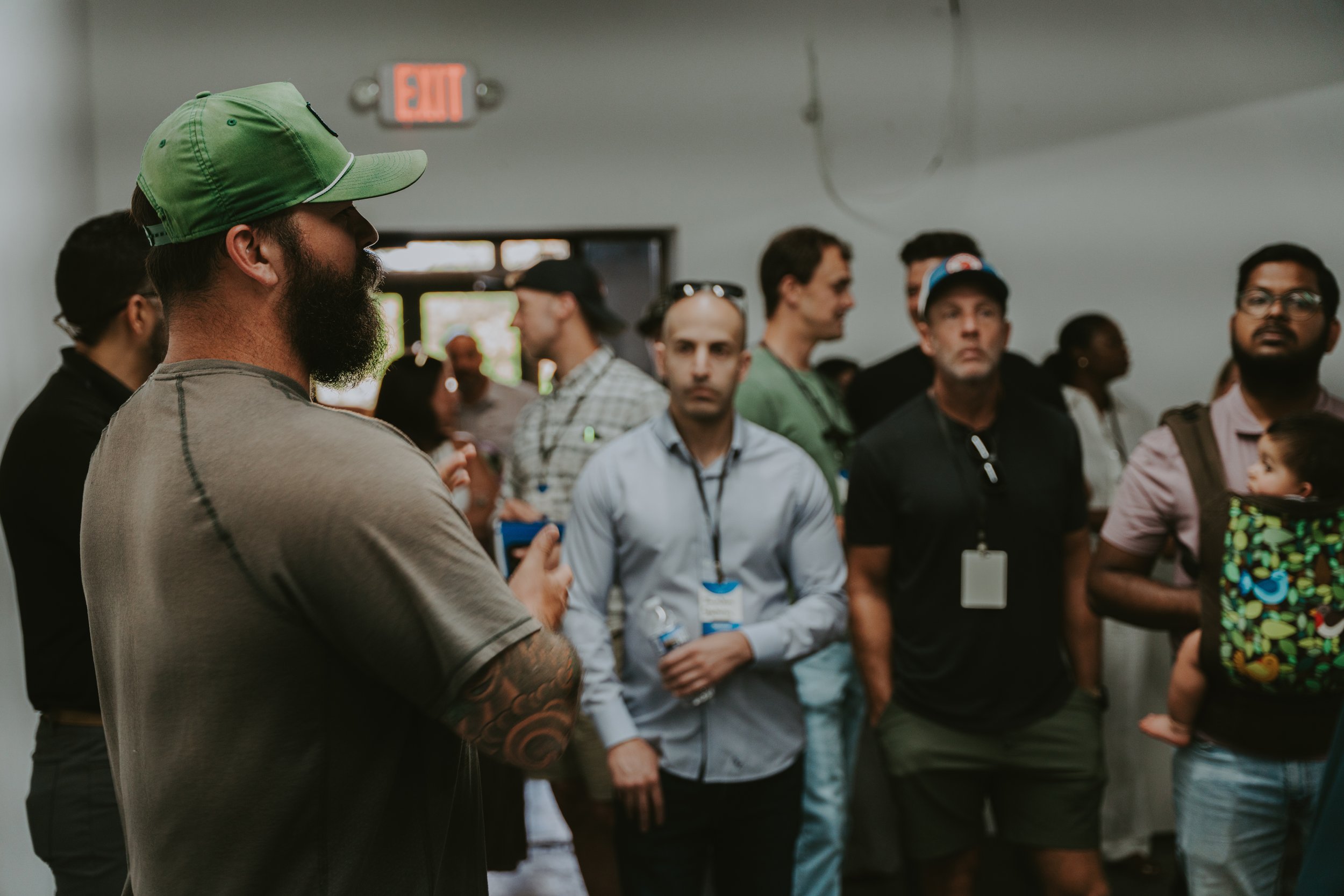
If you have a specific commercial real estate project on your plate and you want someone who's already done it sitting across the table from you, that's what this is.
I consult with developers, high-net-worth investors, and family offices on commercial real estate projects where the right move isn't obvious from the outside and the cost of getting it wrong is real. Site selection. Underwriting. Capital stack decisions. Repositioning strategy. Family office portfolio governance. The hour-by-hour decisions that turn into the returns.
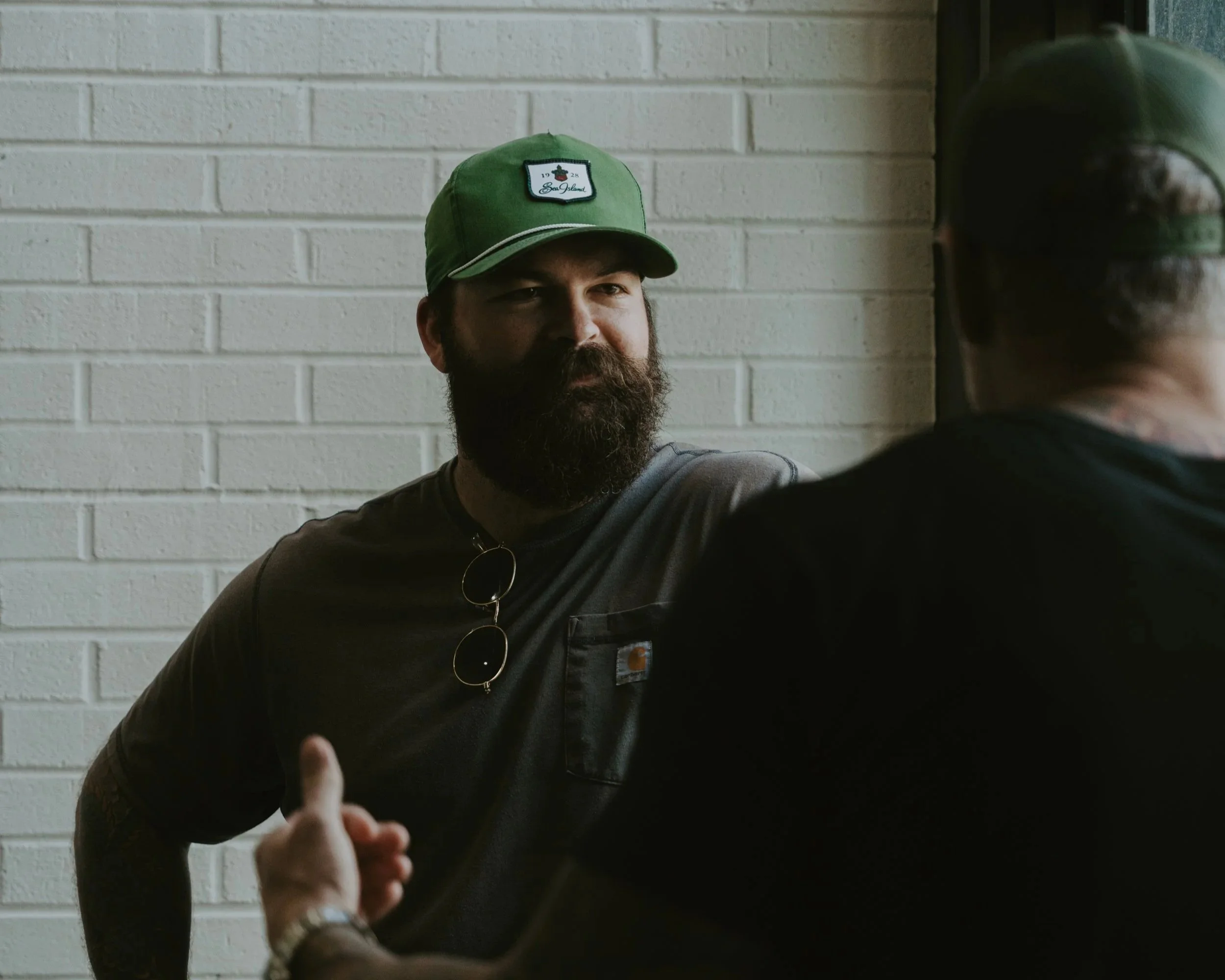
I'm Tyler Cauble. Founder of The Cauble Group, CEO of Hamilton Development (more than 2.1 million square feet acquired since 2019, primarily in Nashville), and author of Open for Business: The Insider's Guide to Leasing Commercial Real Estate. I've been full-time in commercial real estate since I was 21 and I've closed hundreds of millions of dollars in brokerage deals across Tennessee and the rest of the country. Consulting is how I work one-on-one with owners on their specific project, without the generic "hire a consultant" framing most people are used to.
Engagements are structured hourly or on a monthly retainer, depending on scope. Remote by default, with travel to your market when the project calls for it.
Why Owners, Developers, and Family Offices Bring Me In
Most developers I've watched go broke didn't lose on the construction side. They lost on the underwriting, the capital stack, or the timing of when capital calls hit versus when lease-up actually landed. Most first-time commercial investors don't lose on the deal itself. They lose on the due diligence they didn't know to run, the lender question they didn't know to ask, or the lease structure they didn't know to push back on.
That stuff is learnable. It's also expensive to learn by making the mistake yourself.
Consulting compresses that learning curve into a set of calls. I've done the specific deal you're looking at before. And if I haven't done that exact deal personally, I've likely consulted on a project for a client who has, or I've sat on the other side of the table on a similar one inside Hamilton Development.
Three patterns show up again and again in the clients I take on.
Developers
A ground-up project has hundreds of decisions across site selection, entitlements, design, GC selection, financing, pre-leasing, construction, TI, and closeout. Most first-time developers don't know what they don't know until they're already inside one.
- Zoning assumption that doesn't survive civil review
- GC contract structure that creates change-order problems
- TI package that was never actually priced
- Insurance requirement buried in the loan commitment
- Utility coordination that slides the CO date by 90 days
A second set of eyes across the whole checklist, including the items you didn't know were on it.
High-Net-Worth Investors
You're not trying to build a portfolio yet. You're trying to get one deal right. Usually it's slightly outside your comfort zone. Bigger, different asset class, out of your local market, or a seller story that doesn't quite add up.
- Underwriting and market research
- Broker and lender conversations
- LOI and PSA review
- Due diligence oversight
- Lease and tenant strategy
- Construction and operations planning
Your CRE function for that engagement, not a one-item specialist.
Family Offices
Most families got wealthy through an operating company and now have commercial real estate scattered across one-off investments that never got organized into a real portfolio. I've advised families from Alabama to Pennsylvania.
- Governance and stakeholder structure
- Asset-by-asset classification
- Property-level five-to-ten year plans
- Operational SOPs and dashboards
- Capital strategy
- Typical client range: $25M to $100M in real estate
Governance, strategy, and stewardship. How the CRE side actually gets run.
What Consulting With Me Looks Like
Consulting engagements fall into one of four categories. Most client engagements are some blend of two or three. Every engagement follows the same pattern: a discovery phase where I get deep inside your project, a written strategic plan as the primary deliverable, and ongoing advisory through execution. The details change by engagement type. The rigor doesn't.
Project Advisory
A specific development from site selection through CO. Ground-up construction, adaptive reuse, or an acquisition with meaningful construction work attached.
- Entitlements and zoning risk
- Design and GC coordination
- Capital stack structure
- Pre-leasing strategy
- Construction risk mapping
- Critical-path decisions through CO
3 to 12 months on a monthly retainer.
Investor Advisory
Project-specific consulting for investors who need a second set of eyes on a single acquisition. Usually a deal slightly outside your comfort zone. Bigger, different asset class, out of your local market, or a seller story that doesn't quite add up.
- Underwriting pressure-test
- Financing structure
- Due diligence roadmap
- Lease and tenant strategy
- 90-day post-close operating plan
Hourly or fixed-fee, LOI through closing.
Family Office Portfolio Strategy
Governance, portfolio construction, and long-term strategy for families with commercial real estate holdings. One to two days on site depending on portfolio size, then a written strategic plan.
- Stakeholder structure and family charter
- Asset-by-asset classification
- Property-level five-to-ten year plans
- Governance with real voting thresholds
- Operational SOPs and capital strategy
Initial plan plus ongoing monthly governance and quarterly dashboard reviews.
Repositioning and Value-Add Advisory
You already own the asset and it's underperforming. Maybe occupancy is fine but rents are below market. Maybe the physical plant is tired. Maybe the tenant mix is wrong.
- Current state assessment
- Market positioning
- Scoped capital plan with pricing and schedule
- Leasing strategy
- Debt restructuring options
- Exit scenarios across hold periods
One-time strategic project or ongoing advisory through execution.
Case Studies From Past Consulting Work
Real engagements, featured with client permission.
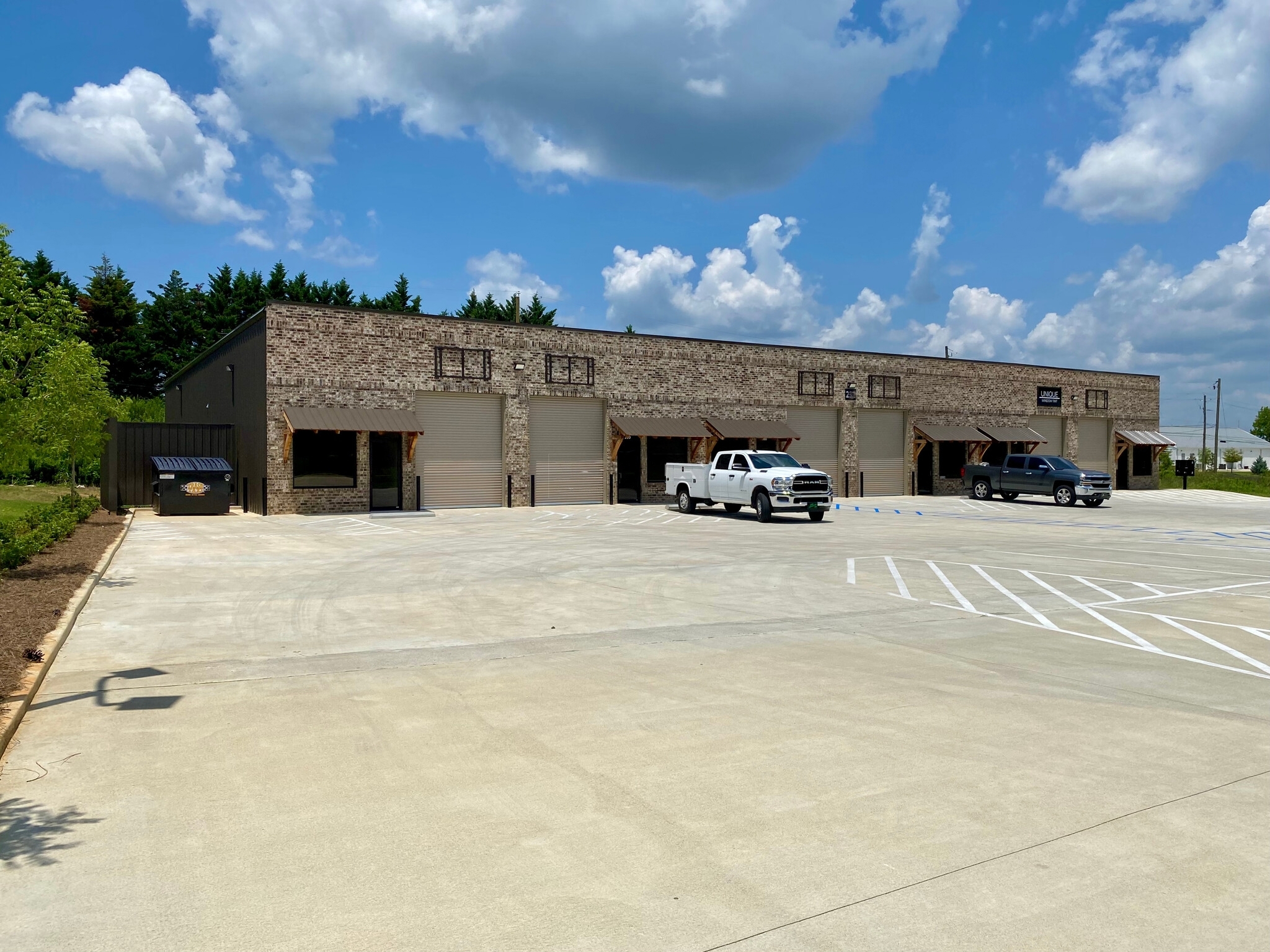
Marcus Kittrell
Marcus is a four-decade commercial real estate investor, founder of Marc-1 Car Washes, partner at Mammoth Holdings, and the operator behind a 17-plus property commercial portfolio. He brought me in to consult on a ground-up luxury flex space development. Experienced operators still hire consultants for the same reason: an outside set of eyes from someone who's been on a similar deal sharpens the decisions that drive returns.
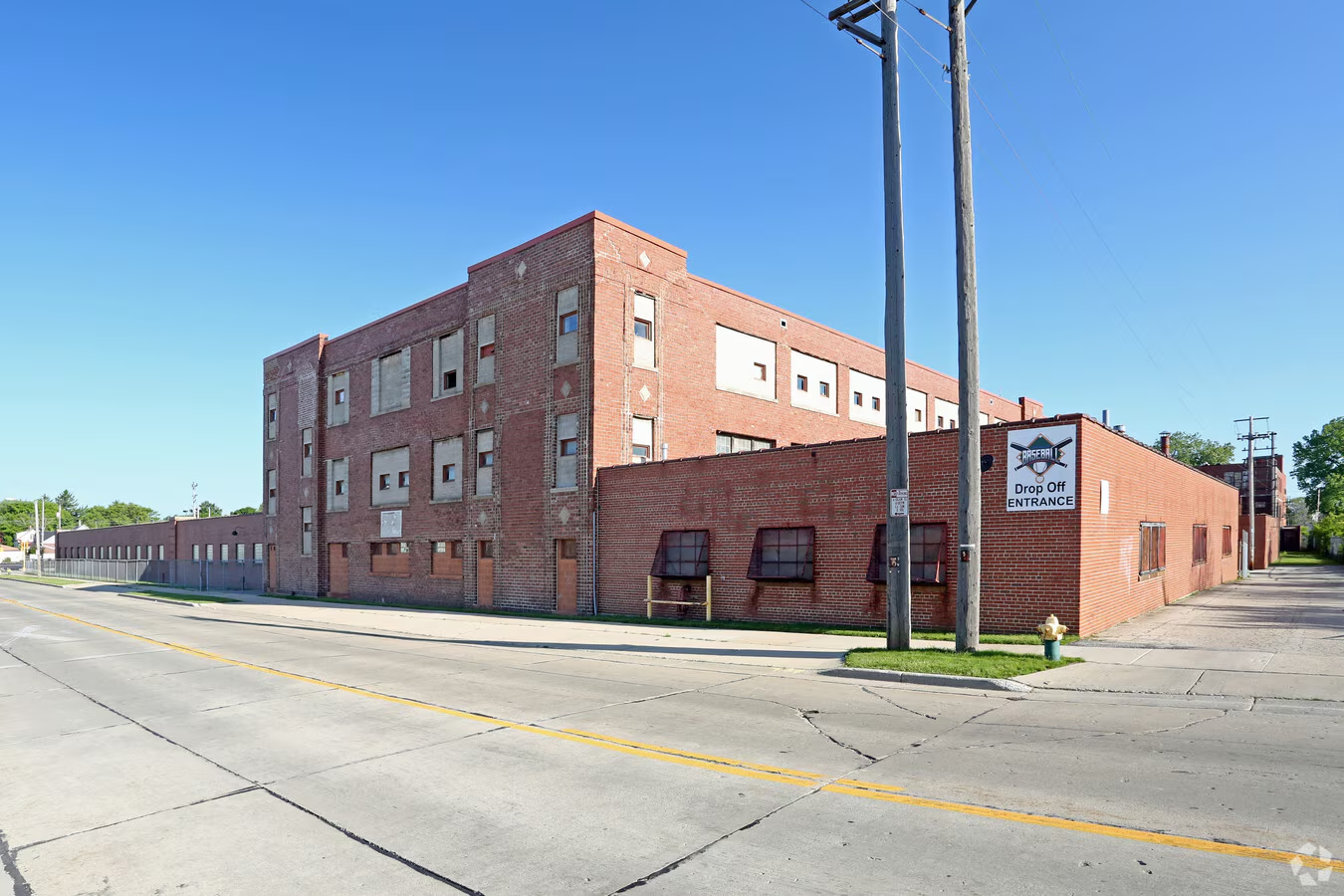
Ross Beal
Ross is a California-based software engineer who built his own deal-sourcing software to surface commercial real estate opportunities. The Center, a 300,000 square foot former Hamilton Beach manufacturing complex in Wisconsin, became his first commercial deal. We worked the deal for nine months, flew out for a site tour with the lender and city, and Ross asked me to partner on the project by the end of the trip. Phase one of self-storage is open today inside what was previously vacant space.

Multi-Generational Family Office
Two days on site with a family running roughly 20 properties (light industrial, retail, office, land). On paper, healthy. The real picture: rents 20 to 40% below market, no centralized reporting, personality-driven governance, the next generation largely disengaged, and the portfolio dramatically under-levered. The deliverable was a five-pillar strategic plan covering asset classification, property-level five-to-ten-year plans, governance with real voting thresholds, dashboards, and a targeted refinancing. The highest-leverage work was building the system the family will use to evaluate every deal from that point forward.
Consulting vs. the CRE Accelerator: Which One Do You Need?
Coaching is one of three tiers I offer. Start wherever fits you today, and move up when you're ready.
This is the question I get more than any other. Here's the honest answer.
The Accelerator is a coaching program for operators who want the curriculum, the community, and a coach in the room around their own deals. Two live calls a week, proprietary deal software, a 150-plus-member community, Nashville live events, and an annual membership structure. Members inside the room range from first-time buyers to experienced investors scaling their portfolio, and serious deals get closed there every month. Learn more about coaching.
Consulting is one-on-one, engagement-scoped, and built around a specific project or portfolio. You set the project. I bring the expertise. The work is structured entirely around your deal, your timeline, and your team. No curriculum, no group format, no schedule besides the one we set together.
If you're not sure where you land, the quickest filter is this. If you want a program structured around you and a community of other operators around you while you work, the Accelerator is the fit. If you have a specific project you need an expert advisor sitting next to you on, that's consulting. Plenty of people use both. Some members start in the Accelerator, graduate into larger projects, and bring me back in as a consultant on a specific deal. Others start with consulting and join the Accelerator after closing because they want the community and the ongoing rhythm.
And if you're not ready for either yet, the Beginners pillar, the free Deal Analyzer, and 700+ YouTube videos will take you a long way.
How Engagements Actually Work
Six phases, consistent across every engagement type, with the details scaled to the project.
Intake call
We talk through your project, your timeline, your team, and what you're trying to accomplish. If it's not a fit, I'll tell you and point you somewhere that is. If it is, we move to scoping.
Scope and written proposal
A written proposal covering what's in scope, what's not, the engagement length, the structure (hourly, fixed-fee, or monthly retainer), and what success looks like at the end. Nothing starts until the proposal is signed.
Discovery
Site visits, working sessions with your team (broker, attorney, lender, GC, architect), and a full review of every document the project has produced to date. The shape changes by engagement type. A ground-up gets civil drawings and GC contract review. A family office portfolio gets one to two days on site touring every property and meeting the operating team.
Written strategic plan
Typically 30 to 40 pages on larger projects, specific to your situation. Where you are today. Where the path leads if nothing changes. Where the plan takes you. The decisions you need to make in the next 30, 90, and 365 days. A capital stack or capital plan with real numbers. Governance and accountability for who does what. And a dashboard your team can run against after I'm out of it.
Ongoing advisory through execution
Most engagements don't end when the plan delivers. Project advisory runs weekly through closing and into construction. Family office portfolio strategy retains monthly for governance sessions plus quarterly dashboard reviews. I respond to deal-critical items within one business day across every engagement type.
Closing or handoff
When the engagement wraps, I package what we built (plan, underwriting files, governance structure, SOPs, dashboards, decision logs) so your team has a clean handoff and can keep running without me. You own the deliverables. If something comes up six months later and you want a check-in call, the door stays open.
Who This Is For, and Who It's Not For
This is for you if:
You have a specific project, deal, or portfolio on your plate right now, and you want expert advisory rather than a general education.
You want a fixed relationship with one advisor, not a course or a group program.
You can move on recommendations. Consulting is leverage, not a report you file on the shelf.
You have the capital to actually close the deal or execute the plan we build. The work is only worth the fee if you're going to act on it.
This is not for you if:
You're still deciding whether commercial real estate is the path for you. Start with the Beginners pillar or the course. Come back when you have a real project.
You're looking for a coach to walk you through your first deal inside a group program. That's the CRE Accelerator, not consulting.
You want guaranteed returns or someone to take the decision (and the risk) off your hands. Consulting makes your decisions sharper. It doesn't replace them.
Frequently Asked Questions
-
A commercial real estate consultant advises owners, developers, investors, and family offices on specific projects or portfolio decisions. That includes site selection, underwriting review, capital stack design, due diligence oversight, lease strategy, repositioning plans, and family office portfolio governance. A good consultant brings direct operating experience to your specific deal, not generic advice. The engagement is one-on-one and scope-bound, not educational.
-
Commercial real estate consulting engagements run hourly or on a monthly retainer, depending on scope. Single-acquisition reviews are usually shorter hourly engagements. Multi-month projects and ongoing family-office advisory are typically monthly retainers. Pricing depends on project complexity, travel requirements, and engagement length. Request an intake call and we'll scope the engagement together.
-
A broker represents a buyer or seller in a specific transaction and earns a commission at closing. A consultant is paid for their advisory hours regardless of whether a deal closes, which means the advice isn't tied to getting the transaction done. Both have a place. If you need representation on a specific lease or sale, hire a broker. If you need strategy, underwriting review, or portfolio governance, hire a consultant.
-
Yes, regularly. Most family offices I work with got wealth from an operating business and accumulated commercial real estate without a portfolio strategy. A typical engagement opens with one or two days on site depending on portfolio size: touring every asset, sitting with the operating team, meeting the next generation. The deliverable is a written strategic plan covering asset classification, property-level five-to-ten-year plans, a governance charter with real voting thresholds, operational SOPs, and a capital strategy. Most families retain for ongoing monthly governance sessions and quarterly dashboard reviews after that.
-
Yes. Most consulting work is remote, with travel when the project calls for it (site tours, partner meetings, lender sessions). I've worked with clients across Tennessee and around the country, including family offices from Birmingham, Alabama to Pittsburgh, Pennsylvania and a lot of places in between. Market expertise is built through the underwriting, due diligence, and stakeholder work, not just physical presence.
-
It depends on the scope. Single-acquisition reviews can be a week or two. Project advisory engagements (site selection through closing) typically run three to twelve months. Family office portfolio advisory is usually ongoing, structured as a retainer with scheduled strategy sessions and as-needed calls in between. We'll scope the right structure on the intake call.
-
Yes. Any underwriting files, acquisition criteria documents, governance structures, portfolio plans, or other deliverables built during the engagement are yours. I keep copies for my records. You keep the operational version. When the engagement ends, your team has a clean handoff and can keep running without me.
-
30 to 45 minutes, free, no obligation. We talk through your project, your timeline, and what you're trying to accomplish. I'll tell you honestly whether consulting is the right fit or whether a different path (coaching, course, or nothing from me at all) would serve you better. If it is a fit, we talk through scope and structure and I send a written engagement proposal within a few days.
Have a project? Let's talk.
Consulting starts with a free 30-to-45-minute intake call. We scope the engagement, decide if it's a fit, and move forward only if the work is right for both of us.
Still learning the fundamentals? Start with the Beginners pillar. The course is also a strong on-ramp before you're ready for consulting.