The Current State of Retail Real Estate with Adam Williams
Retail Redeveloped Adam Williams specializes in helping dynamic brands grow and destination retail projects thrive. Based in Uptown Charlotte, with a regional reach throughout the Southeast, Adam has the proven ability to successfully drive retail and restaurant projects for top tier brands and Landlord/Developers. As a Principal and top-producing agent at Legacy Real Estate Advisors since 2006, Adam focuses on retail and restaurant commercial brokerage services. After graduating from Elon University, with a degree in Marketing and Economics, he immediately started pursing his passion for real estate and is a licensed broker in North Carolina, South Carolina and Georgia. As a Charlotte native, Adam has seen the Charlotte market transform from a small city to an international business and financial hub. Outside of retail brokerage, Adam is as an owner of Charlotte hot spot, 10 Park Lanes, and founder of Charlotte’s #1 restaurant blog Restauranttraffic.com, a local source for restaurant news and reviews. This experience as a restaurateur and digital marketer enables him to be a true strategic partner with his retail clients. Outside of work Adam has a passion for cars and track driving, exploring the best chefs and restaurants in the Southeast, and spending time with his family. Adam and his wife Genevieve have two sons and live in the Chantilly neighborhood of Charlotte.
Everyone wants a fully-leased building. I'd rather have the empty one, and in this week's Office Hours, I'm going to show you exactly why. Vacant buildings scare most investors off. But in today's market, that vacancy is your biggest advantage: negotiating leverage, below-replacement-cost pricing, and a forced appreciation setup that a fully-leased deal can't match.
Chad Acerboni isn't a full-time real estate investor. He's a tech sales executive who's been quietly building a portfolio on the side — one intentional move at a time.
His latest move? Selling his apartment complex, paying zero taxes on the sale via a 1031 exchange, and closing on a 30,000 sq ft mixed-use commercial building for $2.1M. The appraisal already came back higher than his purchase price.
Everyone's watching the tariff headlines, the stock swings, the Fed drama...and deciding to wait. But here's what the data actually shows: real estate prices went UP in 7 out of the last 9 U.S. recessions.
Market uncertainty isn't the obstacle. Waiting for it to go away is.
In this week's Office Hours, I'm breaking down exactly why the current market environment might be one of the best setups commercial real estate investors have seen in years — and what you should actually be doing right now.
Most residential investors are grinding toward financial freedom one door at a time and nobody's telling them there's a ceiling. Today I'm pulling back the curtain on exactly where that ceiling is, why it exists, and what the move looks like when you hit it. Including the deal where I changed one piece of paper and made almost $200,000 in profit.
Everyone thought this deal had potential.
An auto garage in a high-traffic corridor, multiple bays, value-add upside—it checks all the boxes on paper. But when you actually sit down and underwrite it, the numbers tell a completely different story.
Nobody wanted this 70% vacant warehouse. Matt Barbaccia did and he closed it in 45 days with $0 out of pocket. When Matt joined the CRE Accelerator, he told me he felt underqualified for bigger deals. 45 days later, he set the record for the fastest commercial deal ever closed by a member using 100% seller financing on a flex warehouse most investors scrolled right past on Crexi.
Most rental properties don’t fail because they’re bad deals. They fail because the margins are too thin to matter.
The average landlord is making around $700 a month in profit.
That might sound fine until one repair wipes out the entire year.
That is where most investors get stuck.
Residential real estate can work, but it is getting harder to scale, harder to grow, and harder to rely on as a real income stream.
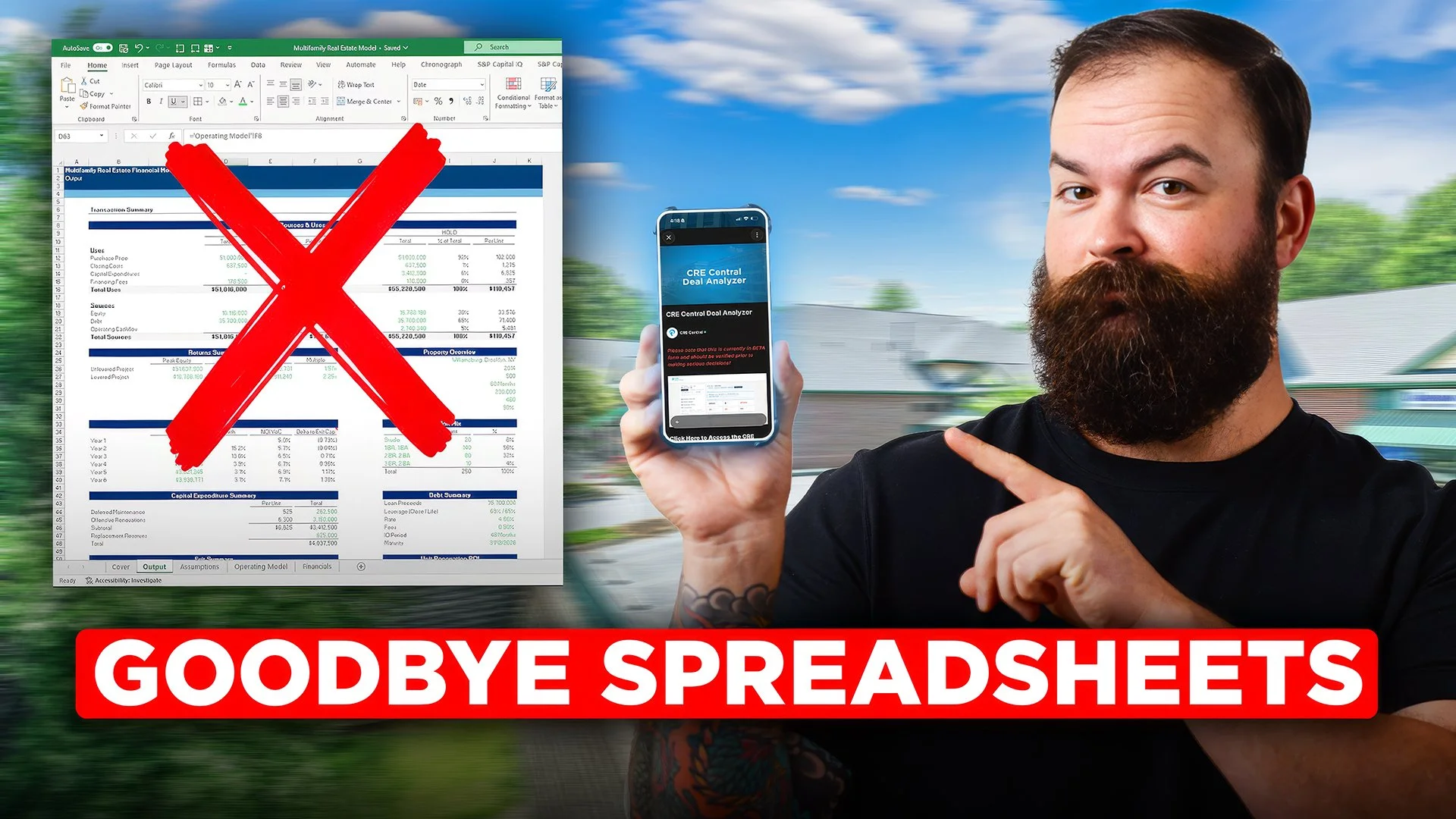
Can data, media, and AI actually replace endless cold calls for commercial real estate brokers? Logan Freeman, co-founder of CRE Central in Kansas City, and Tyler Cauble, Nashville-based broker and developer, have built a brokerage model where they stop hunting and start capturing demand by following where capital is already moving — stacking $92M under contract/LOI and a $265M pipeline in one of the most volatile CRE cycles in modern history. Their Brokers Mastermind members are doing the same, from Jake Clark’s $8M Nashville deal with a six-figure commission, to multi‑million‑dollar land, industrial, and IOS transactions driven by niche authority instead of spray-and-pray prospecting.
Can social media actually close commercial real estate deals? Aviva Sonenreich, managing broker at Warehouse Hotline in Denver and host of the Commercial Real Estate Secrets podcast, built an audience of over 1 million followers talking about CRE on social media — and 90-95% of her deal flow now comes directly from her online presence, including a $9.5 million industrial sale that started from TikTok.
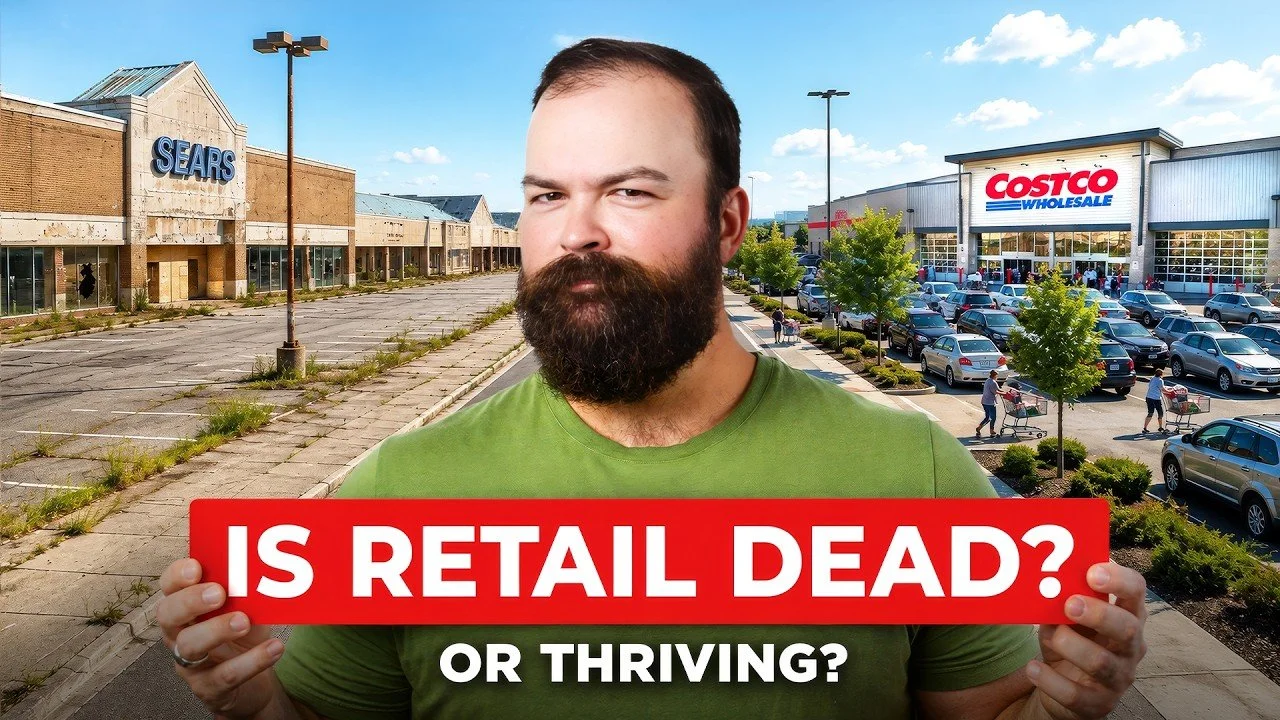
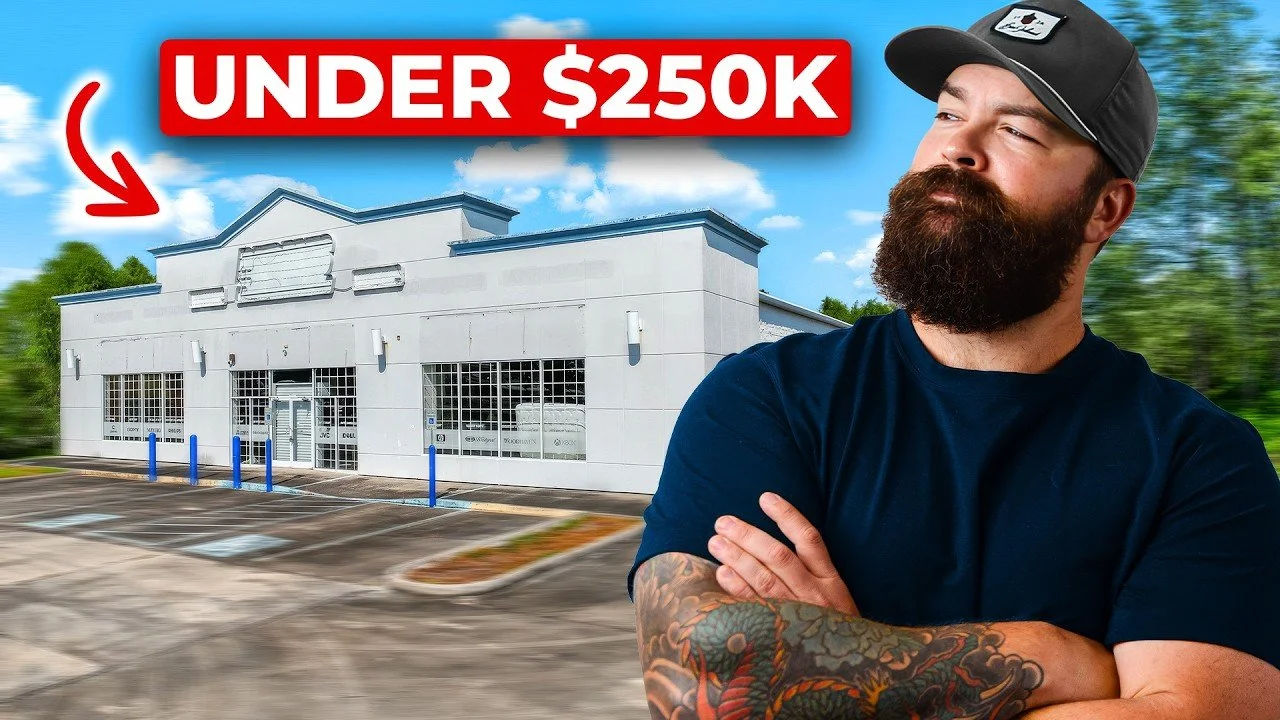
The asset class you’re probably driving past every single day might just be one of the best opportunities heading into 2026. It’s not what most people expect.
For years, flex and industrial have dominated the conversation. But right now, retail is quietly setting up for a strong run, backed by low new supply, stable vacancy, and renewed investor interest.