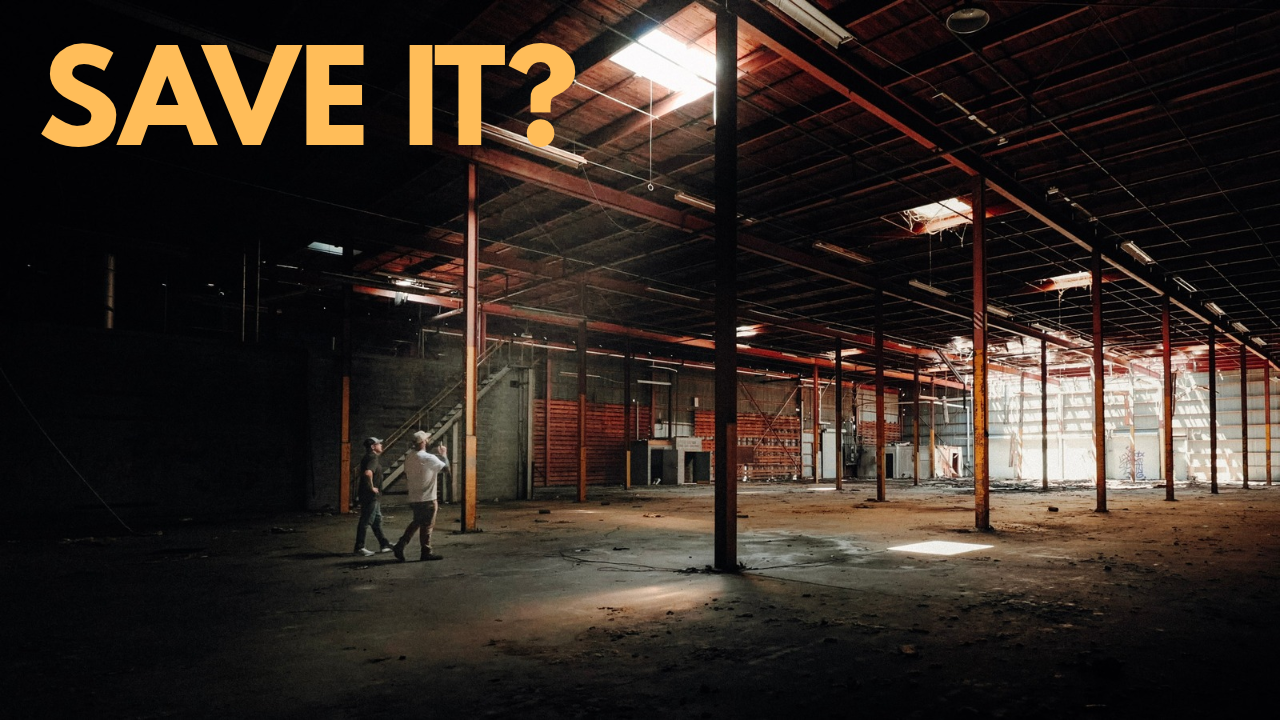
Four years ago we bought Peerless Mill in Chattanooga: 32 acres, 29 buildings and about 1.5 million square feet. The plan was always to keep every piece of it. In this video I'm walking Building 21 because I'm selling it.

The Commercial Real Estate Investor Podcast with Tyler Cauble
commercial real estate investing podcast
Would you buy a $400,000 commercial building if the bank told you to bring an extra $27,378 to closing? That’s exactly what happened in this example. In today’s Office Hours, I’m breaking down how to underwrite a commercial real estate deal from start to finish using a 4,000-square-foot retail strip center. We’re going beyond the asking price and advertised cap rate to look at the numbers that actually determine whether a deal works.
In this week's Office Hours, I'm walking you through my entire underwriting process using a real value-add industrial property in Denver, Colorado.
Starting with a $650,000 listing, I'll show you how I evaluate a property's potential, estimate renovation costs, research market rents, structure financing, and stress-test returns.
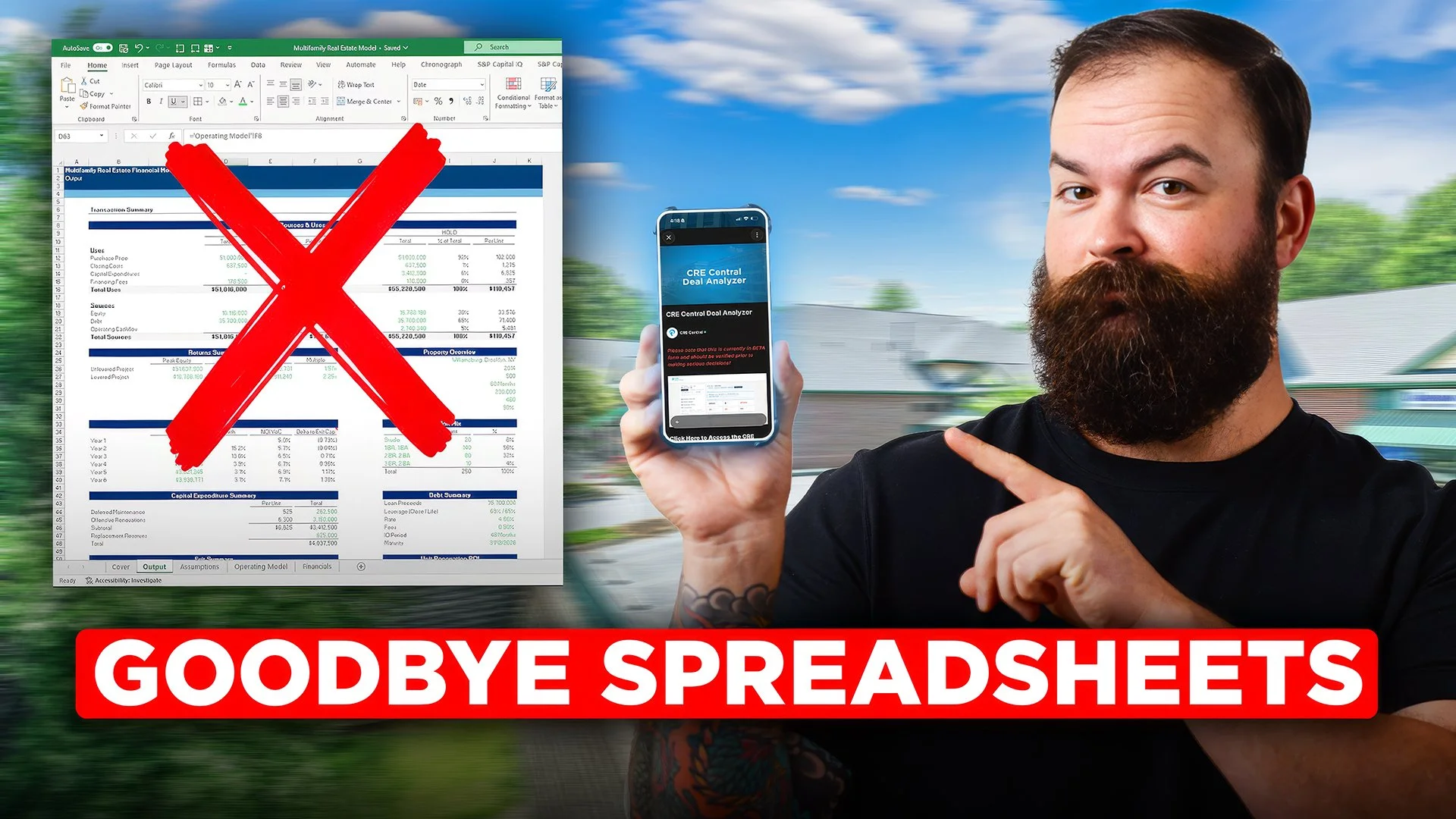
Using our CRE Central Pro Deal Analyzer, I'll break down how small changes in purchase price, rental income, financing terms, and exit assumptions can completely change whether a deal is worth pursuing.
What’s worth more: $200,000 off the purchase price—or 12 months of interest-only payments?
Most investors focus on negotiating the price. But loan terms can change a deal’s cash flow just as dramatically. On the same $2 million building, the right financing can make a big difference:
• Interest-only — How much more cash could stay in your pocket during year one?
• Amortization — How could a longer schedule improve cash flow and borrowing power?
• Recourse — What might you negotiate to limit your personal risk?
In my example, a $200,000 price reduction adds about $12,000 in annual cash flow. Twelve months of interest-only payments adds roughly $31,000 in year-one cash—and more than doubles the cash-on-cash return, from 3.6% to 7.7%.
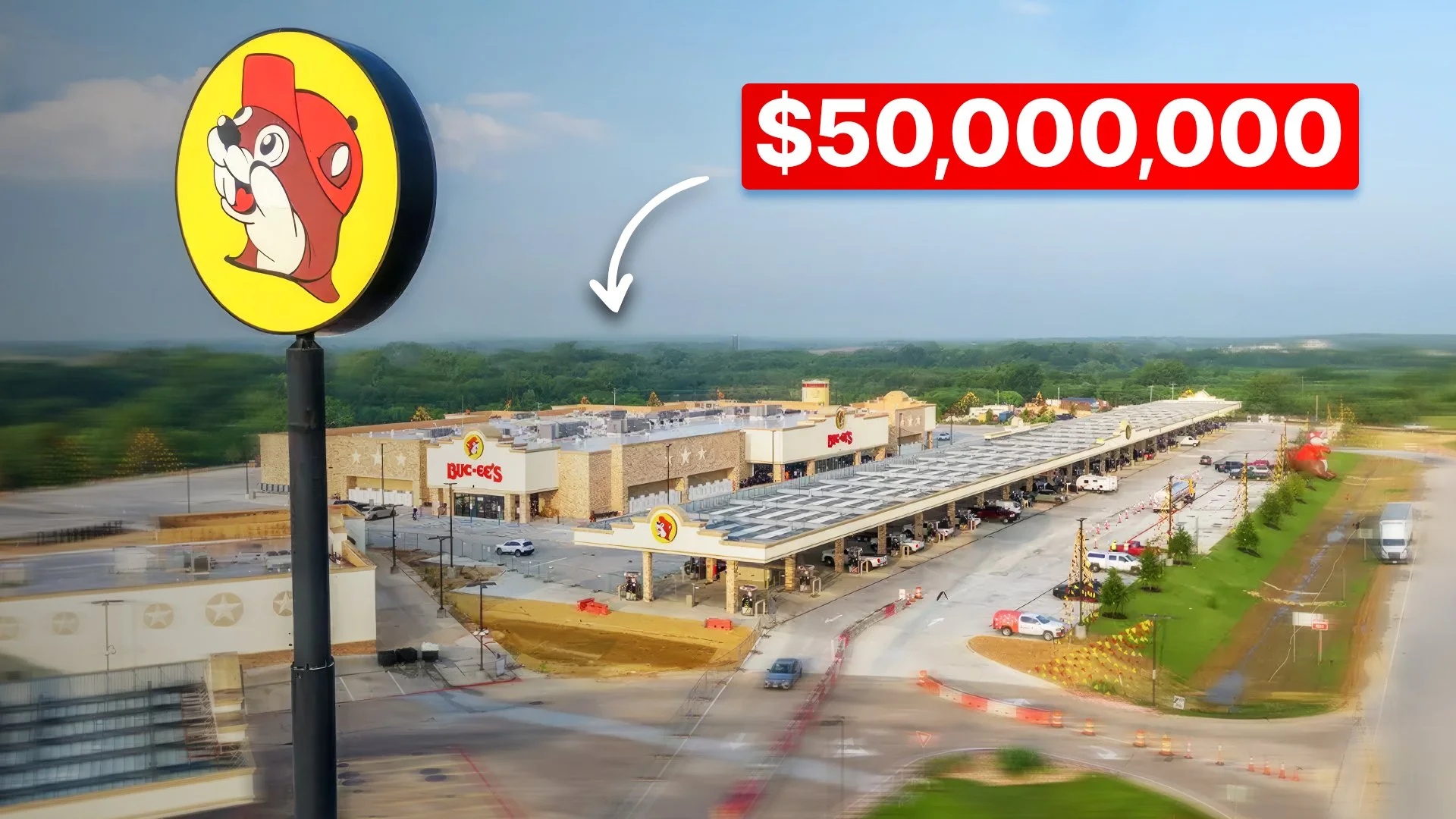
Buc-ee's spends around $50 million per store, then sells gas at almost no margin. In this video, I break down the real business model: the 75,000 sq ft retail machine running ~40% margins, why they own 30+ acres at every interchange and refuse to franchise, and the “Anchor Flywheel” that re-prices all the land around them. Plus the one move regular investors can copy: the 18-to-24-month window between a Buc-ee's announcement and opening day.
What do you pay for a building that’s 40% empty? Pricing a fully leased building is relatively straightforward. But when a big portion of the property is vacant, you’re trying to price three things at once:
• Buildout — What will it cost to get the space tenant-ready?
• Carry — How much will debt service, taxes, and insurance cost while it sits empty?
• Leasing commissions — What will you owe when you finally sign a tenant?
Most investors account for the buildout.
Far fewer properly account for the carry—and that can easily become the biggest cost.
In this live underwriting session, I’m taking a property with significant vacancy and running it two ways: the stabilized version and the version that accounts for the real cost and timeline of getting there.
Then we’ll compare the numbers and see how that should impact what you’re actually willing to pay. If you own a building with vacancy—or you’re considering buying one—this is an underwrite you need to know how to do.
In this episode, Tyler breaks down why commercial real estate listings that have been sitting on the market for a year or longer can sometimes create overlooked opportunities. Using real listings, he shows how to diagnose why a property isn’t selling, separate fixable problems from true deal killers, and use days on market, seller basis, financing, comps, and carrying costs to strengthen your negotiations.
One of the most common misconceptions in commercial real estate investing is that an 8% cap rate automatically translates into an 8% return. It doesn’t.
An 8% cap rate is simply a snapshot of a property’s income relative to its purchase price. Your actual return can look dramatically different once you factor in financing, closing costs, capital expenditures, reserves, and the accuracy of the property’s reported NOI.
How to find off-market commercial real estate deals without a platform, a broker network, or a big budget. The four edges that still work now that everyone has the same data, including the direct mail letter that turned a $435,000 building into a $650,000 appraisal in 45 days.
There has never been more data in commercial real estate. More platforms, more deal alerts, more AI underwriting tools. And it has never been harder to find a deal that actually pencils.
That isn’t a cycle. That’s cause and effect. When a listing hits Crexi, the same alert lands in hundreds of inboxes at the same second, and every one of those investors runs the same underwriting on the same pro forma against the same comp set.
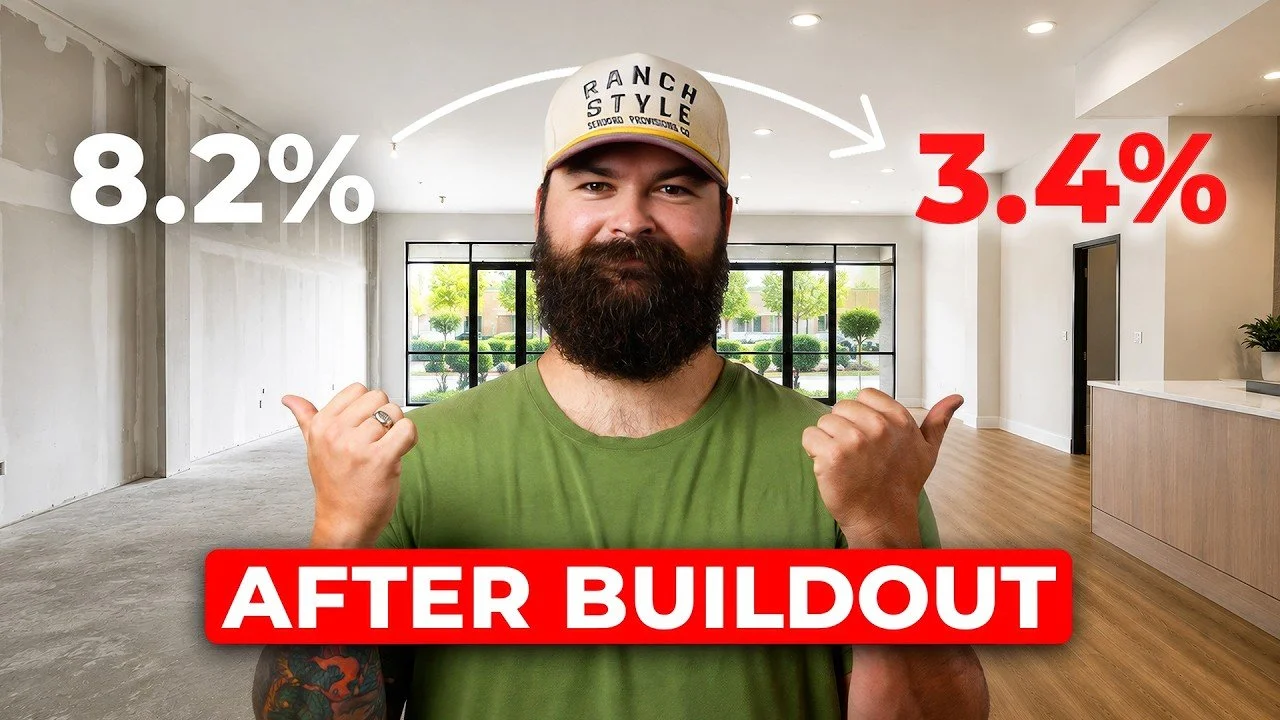
One of the easiest ways I see investors underestimate a deal is the buildout. In this episode, I’m taking a real 6,000 SF retail property and showing you how I estimate buildout costs using the CRE Central Cost Estimator — then take those numbers directly into the Deal Analyzer to see what happens to my returns. There’s a 1,500 SF vacant suite in this deal.
Your commercial real estate loan matures in 18 months. Now what?
Unlike a residential mortgage, most commercial loans don’t give me 30 years to pay them off. I’m typically working with a five-year term, which means at some point I have to refinance, sell, recapitalize, or figure out another way to handle that remaining balance.
And I’m actually going through this process on one of my own deals right now.
Everybody in commercial real estate is fighting over the same apartment buildings at 5 caps. Frank Rolfe went the other direction and built one of the largest mobile home park portfolios in the country out of the one asset class most investors won't touch.
Everybody in commercial real estate is fighting over the same apartment buildings at 5 caps. Frank Rolfe went the other direction and built one of the largest mobile home park portfolios in the country out of the one asset class most investors won't touch. The mechanics are nothing like apartments. You own the land, the tenant owns the home, and moving that home costs more than the home is worth, so almost nobody leaves. Average tenancy in a park is 14 years. That one detail is why investors love this asset class, and it's exactly what critics point at. We get into both sides, including the Waffle House quote that landed Frank on John Oliver.
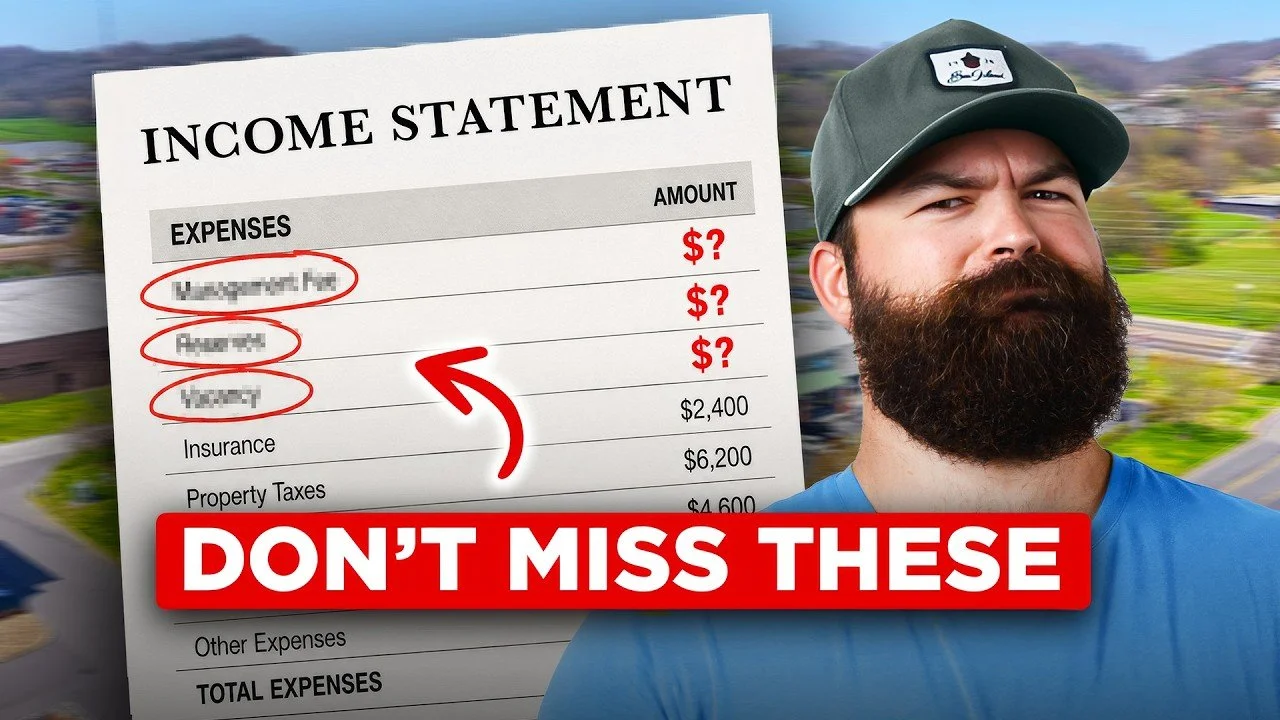
The seller’s numbers are only the starting point. In this Office Hours, I'll break down how to pressure-test a commercial real estate deal, spot missing expenses, and uncover what a property is actually worth.
We’ll cover management, reserves, vacancy, and the underwriting mistakes that can make an average deal look like a great one. Three missing line items can change the price by six figures. If you’re buying or underwriting commercial real estate, this is one you don’t want to miss.
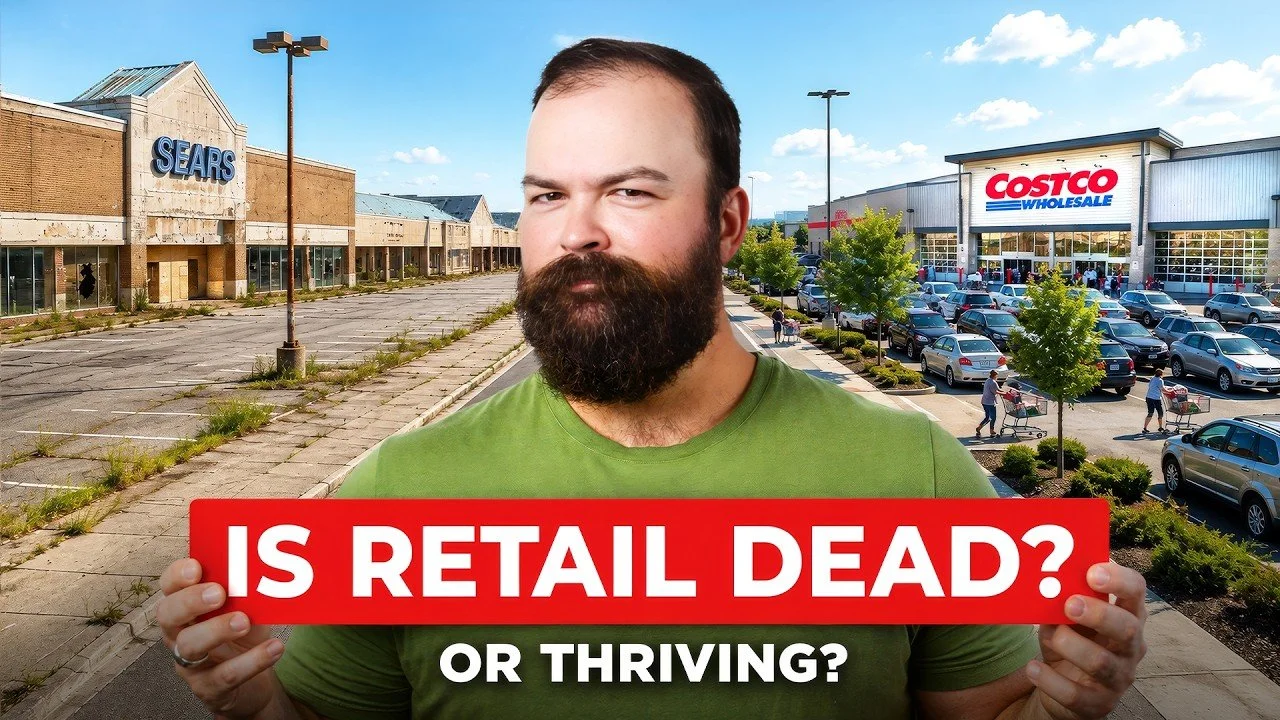
Retail vacancy just hit 4.4% (almost as low as industrial) and nobody's built meaningful supply since 2008.
So why does everyone still believe Amazon killed retail? James Cook, who runs retail research for the Americas at JLL, brings the actual data: the barbell economy hollowing out the middle, the tenants that should scare you on a rent roll (and the ones that should make you pay more), Chick-fil-A's site-selection playbook, and the one number that tells us in 12 months who was right.
Thirteen years ago I was leasing space for a landlord who paid me almost nothing.
This week there are a hundred thousand of you in here. So instead of another deal breakdown, I'm compressing everything those thirteen years taught me into five lessons, one from each hat I've worn: broker, property manager, investor and developer. Real deals behind every lesson.
Everyone wants the highest cap rate. But what if that 8% cap rate is actually a warning sign? In this live session, we break down why experienced commercial real estate investors don't simply chase yield. Instead, they focus on understanding the risk behind the return and that's where most buyers get it wrong.
Your bank charges you 7%. Your equity investors are costing you 20%. Here's why that's not a mistake. If that math surprised you, this session will change how you finance every deal you do from here on out. This is the full recording of Capital Stack 101, one session from our most recent CRE Central Mastermind weekend in Nashville.
I break down the four layers of financing in every commercial deal, why the "cheapest" money isn't always the smartest money, and why the order you stack it in decides your returns as much as the deal itself.