Are Micro-Units the Next BIG thing in Commercial Real Estate?
The buzzword in many commercial real estate circles over the last economic cycle has been “affordable housing.” As costs of living have continued to increase, developers, government officials, and special interest groups have been fighting to figure out how can we continue to provide affordable and attainable housing for those in need. But no one is talking about the affordability crisis for entrepreneurs and startups. The cost of commercial space has also risen dramatically - sometimes 50% or more in some cases around Nashville. Micro-units may be the way for entrepreneurship to continue thriving in an evermore expensive environment - here’s why.
Starting a family office sounds like something reserved for billionaires, but the truth is the “family office mindset” kicks in way earlier than most people realize. If you’re sitting on a meaningful liquidity event, a paid-off asset, or even a few million in deployable cash, you’re already in the zone where strategy matters more than hustle. The problem is most investors hit that point and keep buying deals the same way they always have—reactive, scattered, and without a real portfolio blueprint. That’s how wealth gets built… and quietly leaks.
Heading into 2026, a lot of investors are still playing the same game they played in 2021: chasing whatever looks hot, reacting to headlines, and hoping the next deal fixes the last one. But markets don’t reward hustle forever. They reward positioning. If you’ve got real exposure in CRE—whether that’s a solid portfolio, meaningful liquidity, or even just a few good assets—you’re already at the point where strategy matters more than speed. The problem is most people hit that level and keep operating without a blueprint. That’s how returns get built… and quietly leak.
Flex space is heating up while most investors are still looking the other way. Headlines talk about industrial slowing, but small bay units between 2,000 and 6,000 square feet are leasing faster than they hit the market. Even older buildings in average locations are getting multiple offers. Years of underbuilding and redevelopment wiped out supply, yet the businesses that rely on these spaces never disappeared. Demand stayed strong. Inventory didn’t.
What if I told you one of my friends raised $1,000,000 in just 24 hours—for his first solo real estate deal?
No private equity.
No institutional backing.
No track record raising capital alone.
Just one email… backed by years of invisible work.
The headlines say “commercial real estate is cooling”—but the data tells a different story. According to Deloitte’s 2026 Outlook, most investors still expect to increase their CRE exposure over the next 12–18 months. Why? Because in uncertain times, hard assets win.
In this episode, Tyler interviews Nathan Weinberg, a Nashville-based real estate developer who got his start during the 2008–2009 recession - broke, unknown, and armed only with hustle and conviction. While others fled the industry, Nathan leaned in, picking up the phone faster than seasoned agents and betting on East Nashville before anyone else saw the opportunity.
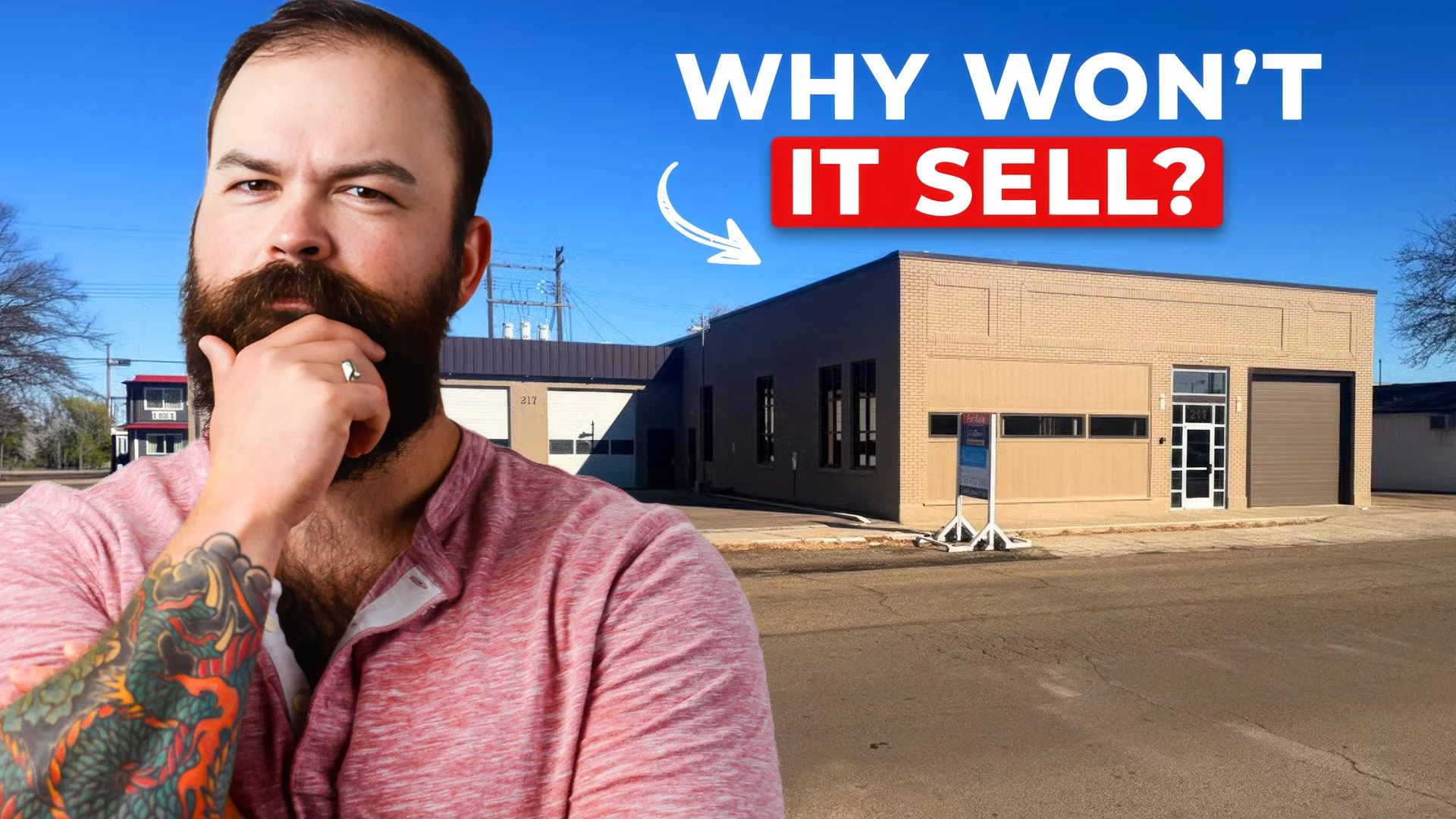
This week, we tackled one of the toughest questions in commercial real estate — what do you do when a property just refuses to move? From a restaurant listing in Miami that’s been stuck on the market for nearly a decade to strategies for repositioning, remarketing, and even rethinking your buyer pool, we covered it all.
Commercial real estate isn’t just for millionaires — it’s for anyone who learns how to structure a deal the right way. In this video, I’ll show you proof. You’ll see how my business partner Jacob and I bought a failing self-storage facility in Nashville without millions in the bank — and turned it around in just 90 days. This wasn’t some big private-equity play or luxury development. It was a small, broken deal that became a massive opportunity because we knew how to stack capital, build partnerships, and fix operations instead of overbuilding. If you’ve ever thought you need to be rich to get into commercial real estate, this video will change your mind.
Partnerships can be the fastest way to scale your commercial real estate portfolio — or the fastest way to blow it up.
In this episode, we dive deep into how to structure real estate partnerships the right way so you protect your capital, avoid deadlocks, and set yourself up for long-term success. I’ll share real-world examples from my own deals, lessons learned from past mistakes, and how to keep your business relationships from turning into lawsuits.
Value-add commercial real estate is where true wealth is built — but only if you know how to underwrite it correctly.
In this episode, I review real-world commercial deals sent in by investors and break down how to evaluate them, uncover hidden upside, and avoid expensive mistakes. From outdated retail centers to underperforming office buildings, we’ll walk through how to identify opportunities, analyze risk, and structure deals that actually cash flow.