
Why Value-Add Real Estate Investing Beats Chasing Cashflow (And the Deals That Proved It)
Everybody gets into real estate for the cashflow. I get it. You buy a house, collect rent every month, stack up enough properties, and eventually replace your W2 income. It sounds clean, it sounds simple, and honestly, it's not wrong.
But here's the problem: it takes forever.
You're using your active income to save up enough to buy a house that barely cashflows enough to cover the mortgage, let alone fund your next deal. Meanwhile, there are investors in your exact same market building wealth way faster using the complete opposite strategy. And that strategy is what I've used to build my entire portfolio over the last 7 years.
It's called value-add real estate investing, and today I'm going to show you why it works, using actual deals we've done at The Cauble Group.
The 9-Story Building That Made 7 Years of Cashflow in One Deal
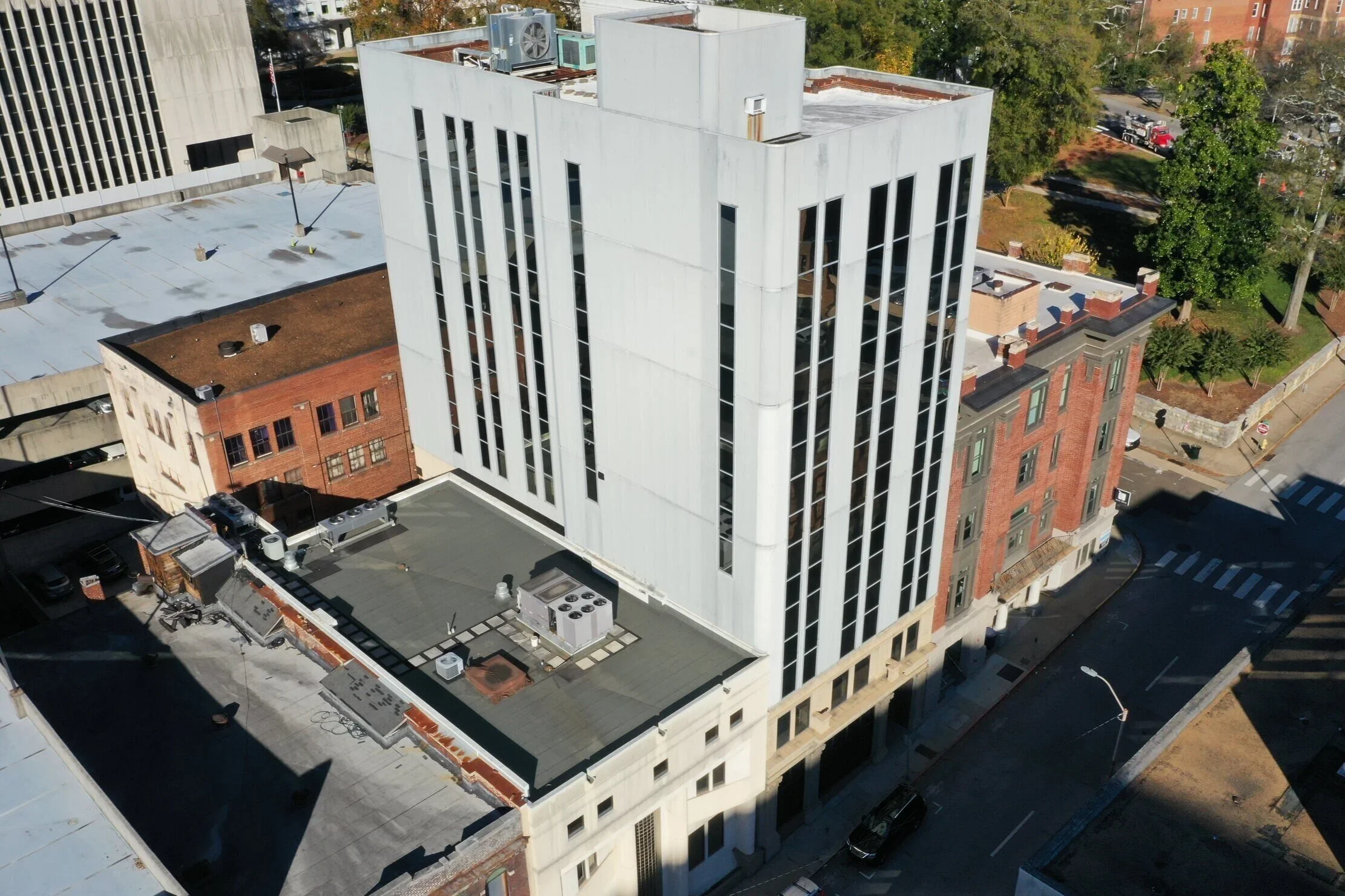
Newell Tower, Chattanooga
We bought a building in Chattanooga for $1.8 million. It was a 9-story office building in downtown, and at the time, it was basically an expensive house in terms of what it was producing. The property had been neglected. It needed work, it needed tenants, and it needed someone willing to do the heavy lifting.
So we went to work. We renovated it, we leased it up, and we repositioned the entire asset. When all was said and done, we sold that building for roughly $4 million, netting about $2.2 million in profit from a single deal.
Now let me put that in perspective. If I had been collecting $2,000 a month in cashflow from a rental property (which is a generous number for most markets), it would have taken me over 91 years to make that same $2.2 million. Ninety-one years. I did it in a fraction of that time with one value-add deal.
That's not a knock on cashflow. Cashflow is real, the checks come in, and the equity builds up over time. But if you're trying to actually build wealth and get to a place where you have real financial freedom, value-add strategies in commercial real estate will get you there exponentially faster.
The $435K Retail Building I Flipped With One Lease
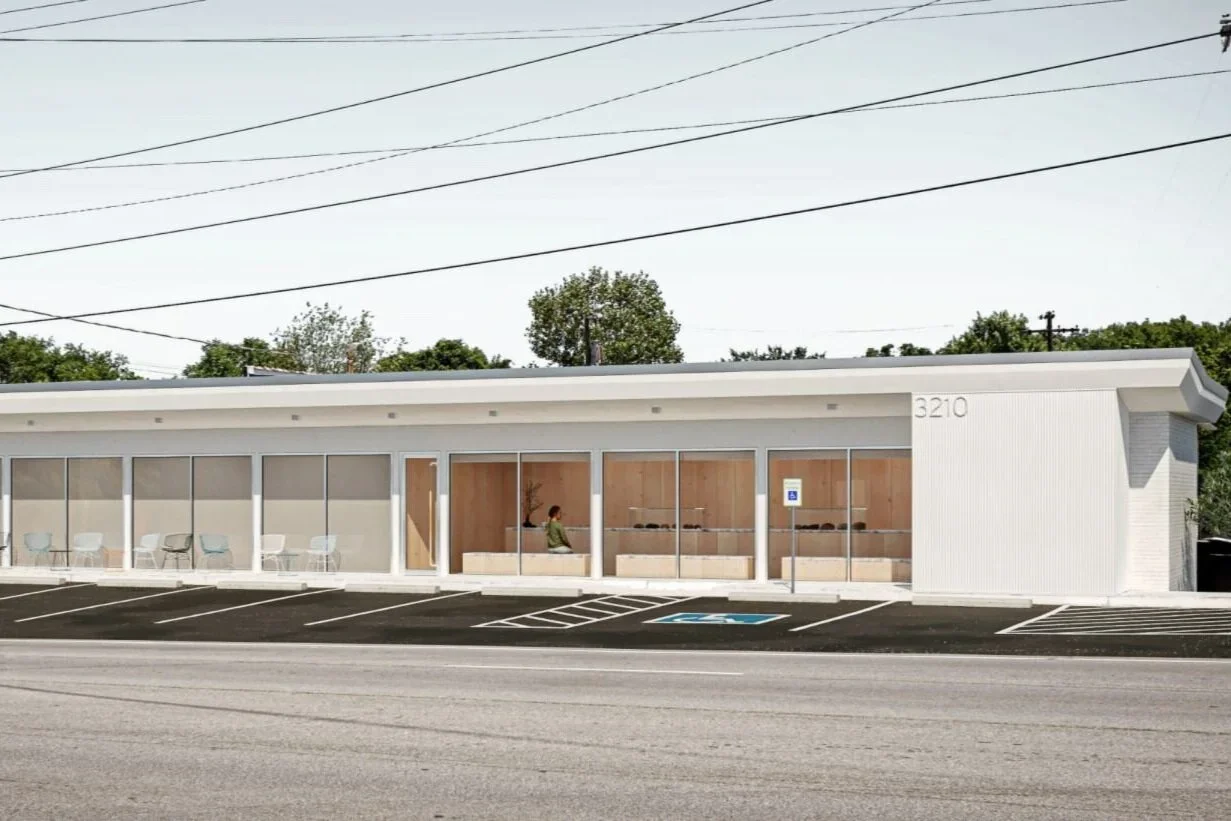
3210 Gallatin Pk, Nashville
Here's another one that really drives the point home. I bought a small retail building for about $435,000. It was a simple deal, nothing fancy. The building was vacant and sitting there waiting for somebody to do something with it.
We flipped it for about $625,000, netting almost $200,000 in profit in roughly a 3-year period. And here's the kicker: the only thing we did was sign a lease. That's it. We didn't renovate. We didn't knock down walls. We didn't pour money into construction. We found a tenant, signed a lease, and the value of that building jumped because of the income it now produced.
Now think about this. The rent on that property was going to be roughly $3,000 to $4,000 gross, and after the mortgage and admin expenses, let's say we were netting $2,000 a month. It would have taken me 100 months, over 8 years, to make that same $200,000 in cashflow. Why in the world would I wait 8 years when I can make it happen with one lease?
This is the power of commercial real estate investing. In commercial, leases aren't just a way to collect rent. They're treated like an investment. You can force equity and create appreciation literally out of nowhere.
The Dirt Lot That Became a $1 Million Gain
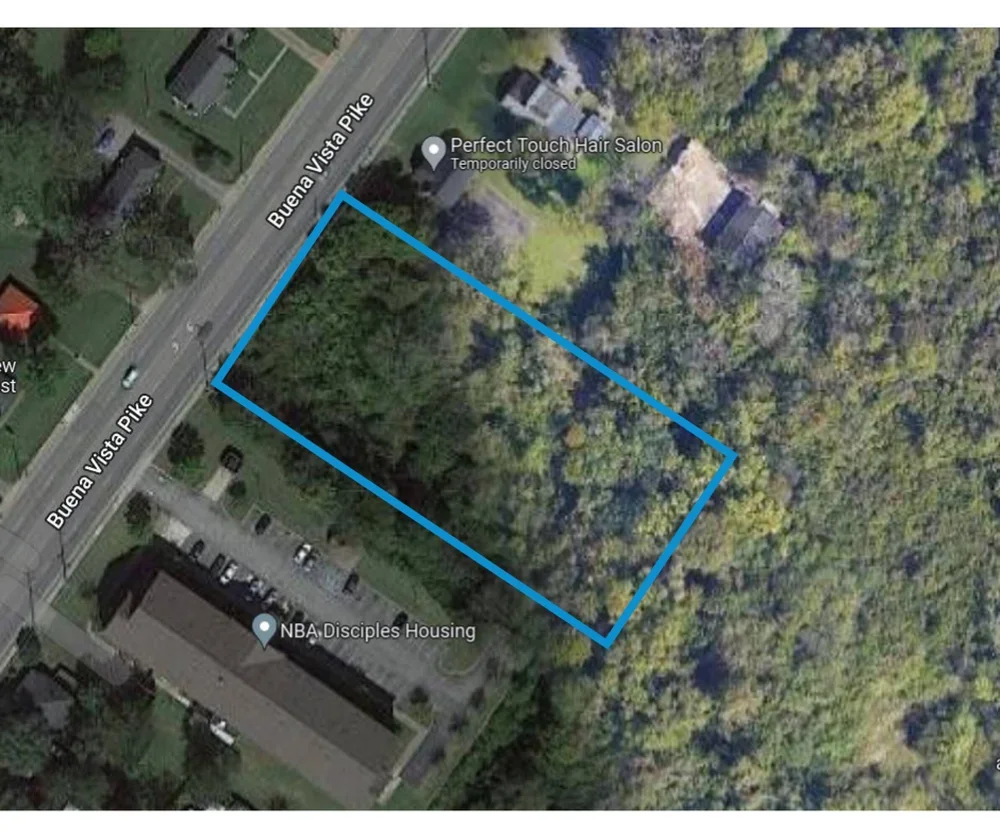
Buena Vista Lot, North Nashville
One more deal to really hammer this home. We had a dirt lot that we rezoned, which is essentially getting the local government to change what you're allowed to build on the property. Once we had the new zoning in place, the value of that land shot up. We flipped it for about a $1 million gain, and then we took those proceeds and did a 1031 exchange into passive income-producing properties.
So now I have the best of both worlds. I used a value-add strategy to create a massive profit, and then I rolled that profit into assets that produce monthly cashflow. That's the playbook.
How I Got Started (And How You Can Too)
I first got started where most people are starting out today. I didn't have anything. As a commercial real estate broker, I would roll my commissions into any deal that I was willing to do, and that would be considered my equity. So, not even technically money out of pocket.
That's why I'm in the position I'm in today, where I could sell everything if I chose and invest in Walgreens or Starbucks and retire with well over $20,000 a month in passive income. But I'm not ready to stop yet because the value-add strategy keeps producing returns that passive investing simply can't match.
If you're just getting started, here's what you need to understand. You don't have to choose between cashflow and appreciation forever. You do value-add first to build your capital base, and then you can afford to invest for cashflow later. If you're starting with little to nothing, this is the strategy that changes everything.
And if you need help running the numbers on a deal, I've put together a free deal analysis toolkit that walks you through the basics of underwriting commercial properties.
Why Commercial Real Estate Gives You an Unfair Advantage
In residential real estate, there's usually a lot of work with a capped upside. You can renovate a house, sure, but the value is mostly tied to comparable sales in the neighborhood. You're basically buying the value of the land and the structure, and that's it.
In commercial real estate, you're buying that plus the income the property produces. Leases are treated like an investment, not just a way to cover the mortgage. So when you sign a new lease or improve the income on a property, you're directly increasing its value. That's what we call forced appreciation, and it's something you simply cannot do at the same scale in residential.
Think of it this way: if you're valuing a business, you're buying it based on cashflow, usually at 3 to 5 times EBITDA. Commercial real estate works very similarly. And because of that, you get higher return opportunities on the commercial side that you simply cannot get out of residential.
If you want to understand how to buy your first commercial property, I've broken down the entire process step by step. And if you're curious about what kind of passive income is realistic, I've also written about how to get to $10,000 per month in passive income from commercial real estate.
Key Takeaways
Cashflow investing isn't wrong, but it's painfully slow. If your goal is to build real wealth, relying solely on monthly rent checks from single-family homes will take decades.
Value-add deals create massive equity in compressed timeframes. By buying underperforming properties, improving them (or simply leasing them up), and selling or refinancing, you can generate returns that would take years of cashflow to match.
You don't have to pick one strategy forever. Use value-add to build your capital base first. Then roll those profits into stable, cashflow-producing assets through 1031 exchanges or refinancing.
Commercial real estate has a built-in advantage. Because commercial properties are valued based on income (not just comps), every lease you sign and every dollar of NOI you add directly increases the property's value. That's forced appreciation, and it's the most powerful wealth-building tool in real estate.
This article is adapted from a conversation on the Tyler Cauble YouTube channel. Want to learn how to break into commercial real estate investing? Book a call to learn about the CRE Accelerator, my step-by-step program for building your commercial real estate portfolio.
Model the upside: Project your returns with the Yield on Cost Calculator and the Equity Multiple Calculator.