
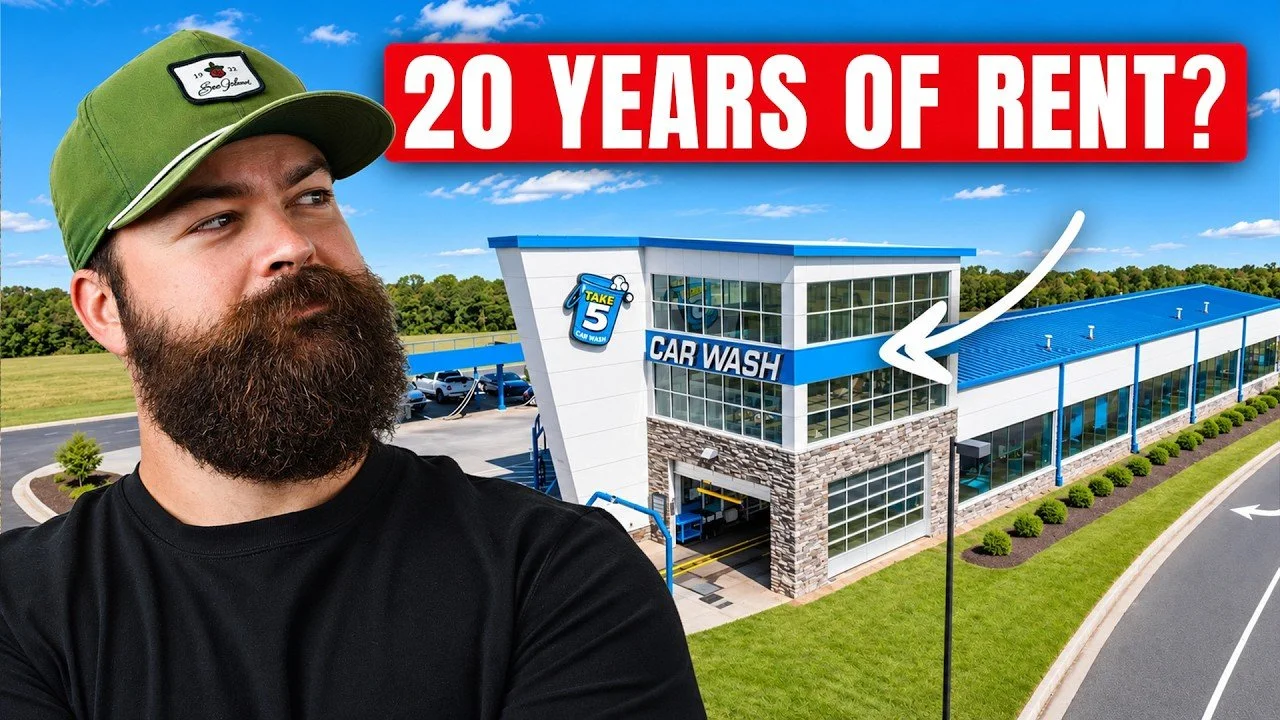
If it feels like every empty lot in your town is turning into a car wash, you're not imagining it. About 900 new car washes have opened in the US every year for the last five years, and the people paying for them aren't car guys. They're private equity firms, net lease investors, and some of the biggest money on Wall Street.
I break down how a car wash really makes its money, who's buying them, where the boom is starting to crack, and three ways you can make money on all of this without ever washing a car. I also share the old car wash I bought in East Nashville, and why it isn't a car wash anymore.
Get the free Deal Analysis Toolkit to run your own numbers: tylercauble.com/toolkit
Work with me: accelerator.crecentral.com/carwashboom
Key Takeaways
Most new car washes are express exterior tunnels. You stay in your car, a conveyor pulls you through, and a good tunnel can push 60 to 120 or more cars an hour with very little staff.
The real product is the monthly unlimited plan. Mister Car Wash has about 2.3 million members, and 76% of its 2025 wash sales came from them, so most of the revenue lands on the same day every month.
A new express tunnel usually costs $3 million to $8 million with the land, on about one to one and a half acres. Operators fund growth with sale leasebacks: build it, sell the real estate to an investor, sign a long lease, and use the cash for the next site.
A real deal: a new Quick Quack in California sold in 2025 for $2.7 million on a 1.35 acre pad, with a 20 year absolute triple net ground lease and 10% rent bumps every five years. The investor owns the dirt, not the building.
Listed car wash net lease deals averaged about a 6.25% cap rate in late 2025. A tunnel wash with no retail can be treated as 15 year property, and 100% bonus depreciation came back in 2025 (talk to your CPA before you count on it).
About 79% of the roughly 7,000 big express washes are owned by operators with more than 10 sites, and in February 2026 Leonard Green agreed to take Mister Car Wash private at about a $3.1 billion enterprise value.
Car washes want the small pads out by the road at busy shopping centers, often with about 25,000 cars a day driving past. If you own land on a busy road, a car wash developer may want to talk to you.
The cracks: Zips Car Wash filed for bankruptcy in February 2025 with $654 million of debt and planned to reject leases at 41 locations, Mister Car Wash same store sales growth fell from 6% to 1.6% during 2025, and cities like Toledo, Birmingham, Perrysburg, and Cape Coral have paused or limited new washes.
Skip the deal when the operator is small or shaky, there are three other tunnels within a mile, the lease is short, the rent is high compared to the wash's revenue, or the only reason it works is the tax break.
Underwrite the dirt. Ask what the property is worth if the car wash goes dark tomorrow, and what else the building could be.
I bought an old six bay self-serve car wash in East Nashville in 2020 for about $412,000 and turned it into five micro restaurants and a bar for about $2.2 million all in. Another investor turned an abandoned car wash in Gainesville, Florida into micro retail suites.
Three ways to play the boom: buy the ground lease under a very strong operator, sell or ground lease your land to one, or buy the old car wash nobody wants and find a better use for it.
Chapters
00:00 Why car washes are popping up everywhere
00:38 Why now
01:03 The express exterior tunnel
01:51 The real business model is the monthly membership
02:43 What a tunnel costs and how sale leasebacks work
03:38 A real car wash ground lease deal
04:23 Cap rates, taxes, and bonus depreciation
04:54 Private equity buys up the industry
05:29 Where car washes get built
06:36 The Zips bankruptcy and the cracks in the boom
07:21 Cities push back
07:56 When you should not buy a car wash
08:37 Your downside exit if the boom breaks
08:57 How I turned my car wash into micro restaurants
09:33 Another car wash conversion in Gainesville, Florida
10:08 Three ways to make money on the car wash boom
10:21 What to watch next
About Your Host:
Tyler Cauble, Founder & President of The Cauble Group, is a commercial real estate broker and investor based in East Nashville. He’s the best selling author of Open for Business: The Insider’s Guide to Leasing Commercial Real Estate and has focused his career on serving commercial real estate investors.
Tyler Cauble
If it feels like every empty lot in your town is turning into a car wash, you're not imagining it. About 900 new car washes have opened in the US every single year for the last five years. And the people paying for them aren't car guys. They're private equity firms, net lease investors, and some of the biggest money on Wall Street. So in this video, I'll show you how a car wash really makes its money, who's actually buying them, where the boom is already starting to crack, and three ways that you can make money on all of this without ever washing a car.
And stick around because I bought one of these old car washes myself and it's not a car wash anymore. So why now? Well, it starts in your driveway. Remember washing the car on a Saturday with a bucket and a hose? Well, most people just quit doing that. According to the International Car Wash Association, washing at home has dropped about 60% over the last two decades. There are about 60,000 car washes in this country, but the new ones going up are almost all the exact same thing. It's called an express exterior tunnel.
You pull up, you stay in your car, a conveyor pulls you through, and you vacuum it out yourself at the end. There's barely any staff, and a good tunnel can push somewhere between 60 and 120 or more cars through every single hour. Fewer employees, more cars, faster. it is built like an absolute factory. Now think about the old self-serve wash with the coin box and the spray wand. Somebody had to drive over and empty the quarters, but the new ones take your card. They read your license plate and wave you through.
And cities are starting to notice. Toledo, Ohio says it saw more car washes opening than any time since the 1970s. And we'll come back to Toledo because they did something about it. But here's the thing, the car wash isn't really what they're selling. This is the whole business model right here. Every new car wash pushes the monthly unlimited plan. You've seen the guy in the vest at the entrance trying to sign you up and there's a big reason for that. Mister Car Wash is the biggest car wash brand in the country.
They have about 2.3 million people paying them every single month for their unlimited wash club. In 2025, 76% of their wash sales came from those members. That's three out of every $4. Think about what that means. Most of their revenue shows up on the same day every single month, whether it rains or not. And that's what lenders love. That's what investors pay for. And that predictable income is exactly what makes the real estate under these things so valuable. This is where it gets interesting for real estate investors.
Building one of these is not cheap. A new express tunnel usually runs somewhere between $3 million and $8 million with the land on about one to one and a half acres. The conveyor, the arches, the dryers alone cost a million dollars or more. So how does a company open hundreds of these without just running out of cash? They build it, they sell the real estate to an investor, they sign a long-term lease to stay in it, and then they take that cash and go build the next one.
It's called a sale leaseback. Mister Car Wash did eight of those in just the last three months of 2025. So why would they sell? because they'd rather have their money working in the next location than sitting in a building. The operator wants to run car washes. The investor wants a long-term lease with a big tenant, so everybody's happy, as long as the car wash keeps paying rent. Now keep that last part in mind. So who's on the other side of that deal? Well, investors like you and me.
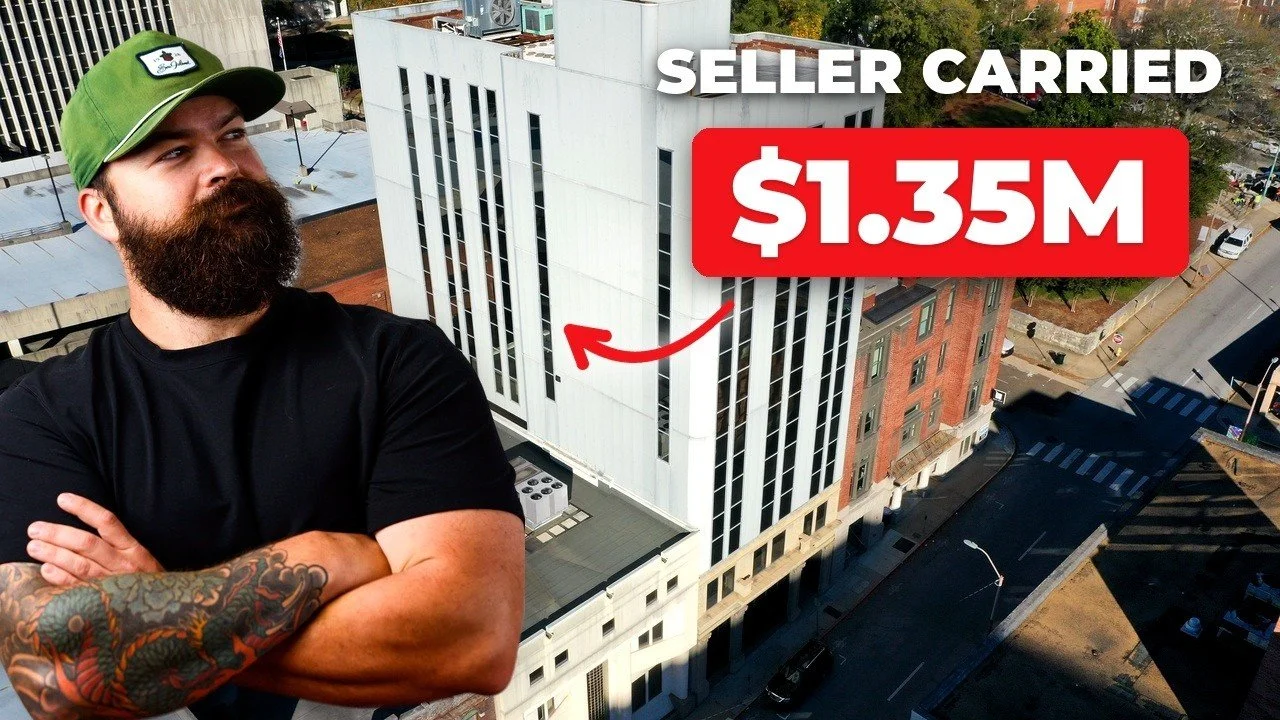
If you've got the cash, let me show you a real one. In 2025, a brand new Quick Quack car wash, say that five times fast, in California sold for $2.7 million. It sits on a 1.35 acre pad in front of a grocery store, 20 year ground lease, absolute triple net. So the tenant pays basically everything. Rent goes up 10% every five years. And here's my favorite part. The investor doesn't even own the building. They just own the dirt and the car wash pays them rent on it.
So if you're new to this, the cap rate is just the yearly income divided by the price. So listed car wash net lease deals, averaged about a 6.25% cap rate in late 2025. Now, part of why buyers keep showing up is taxes. A tunnel wash with no retail can be treated as 15-year property, and 100% bonus depreciation came back in 2025. That's why car washes are typically some of the best depreciation opportunities in all of real estate. A buyer may be able to write off a big chunk of the purchase in year one, but make sure you talk to your CPA before you count on that.
One net lease broker at Northmarq said that change alone pushed car wash cap rates down about a quarter of a point. And then there's private equity. Of the roughly 7,000 big express washes doing over 100,000 cars a year, about 79% are owned by operators with more than 10 sites. The mom and pop car wash is getting bought up. And in February of 2026, the private equity firm, Leonard Green, agreed to take Mister Car Wash private at about a $3.1 billion enterprise value for car washes. So if Wall Street loves these so much, why did one of the biggest chains in the country go bankrupt?
We'll get there, but first you need to see where these things get built. Next time you're at a Walmart or a Target, look at the little pads out by the road. The one's too small for a big store. That's prime car wash land. Operators hunt for sites on busy roads near big shopping centers. One operator's site criteria asks for about 25,000 cars a day driving past. That's the same corridor where you find the Walmart, the Target, and the Chick-fil-A with the line wrapped around the building. For a shopping center landlord, that pad used to be a headache.
It was too small for most retailers and really wasn't worth messing with. But now there's a tenant who wants it, signs a 20-year lease, and brings thousands of cars onto the property. Another broker in California who sells a lot of these says the best car washes are even back-filling vacant pads and small anchor spaces, almost acting like mini anchors for these shopping centers. And even if you'll never own a shopping center, this still matters to you. If you own a piece of land on a busy road, there's a decent chance that a car wash developer would love to talk to you.
It's the same idea that I talked about in the Buc-ee's video. Follow the traffic and the land around it gets repriced. Okay, so here's the other side. In February of 2025, Zips Car Wash, one of the biggest private chains in the country filed for bankruptcy. They had $654 million of debt. They blamed higher interest rates, higher labor costs, and too much competition. And they plan to just reject their leases outright at 41 locations. Now put yourself in the investor's shoes. You bought one of these buildings for the 20-year lease.
And your tenant just handed you the keys back to a car wash. Now, even the leader is slowing down. Mister Car Wash's same store sales growth went from 6% in the first quarter of 2025 to 1.6% in the fourth. And cities and communities are now starting to push back. Toledo stopped issuing new car wash permits for six months. Birmingham extended a moratorium on automated car washes. Perrysburg, Ohio now wants them at least a half mile apart. Cape Coral, Florida paused them too, then added new rules on where they can and can't go.
Their complaint is simple. These things bring in very few jobs and they take up a lot of good commercial land. There's also a lot of them. And one councilman in Perrysburg said the quiet part out loud. It's difficult to repurpose these things. So when should you not buy a car wash? Well, when the tenant is small or maybe a shaky operator, when there are three other tunnels within a mile of it, so good luck finding anything with space in between it, When the lease is short, when the rent is high compared to what the wash actually brings in, their actual revenues, and when the only reason the deal works is if you're doing it for the tax break.
And go drive the corridor yourself, count the tunnels. If three or more are under construction down that road, that cap rate really starts to look a lot less safe. Underwrite the dirt. Ask yourself one question. What is this property worth if the car wash goes dark tomorrow? which brings me back to that council member. He's right that it's hard, but hard isn't impossible. Quick side note, because it matters for that last question. A car wash looks like the most specialized single-use building you could ever own, but it can be converted into other things, and that's your downside if the car wash boom breaks.
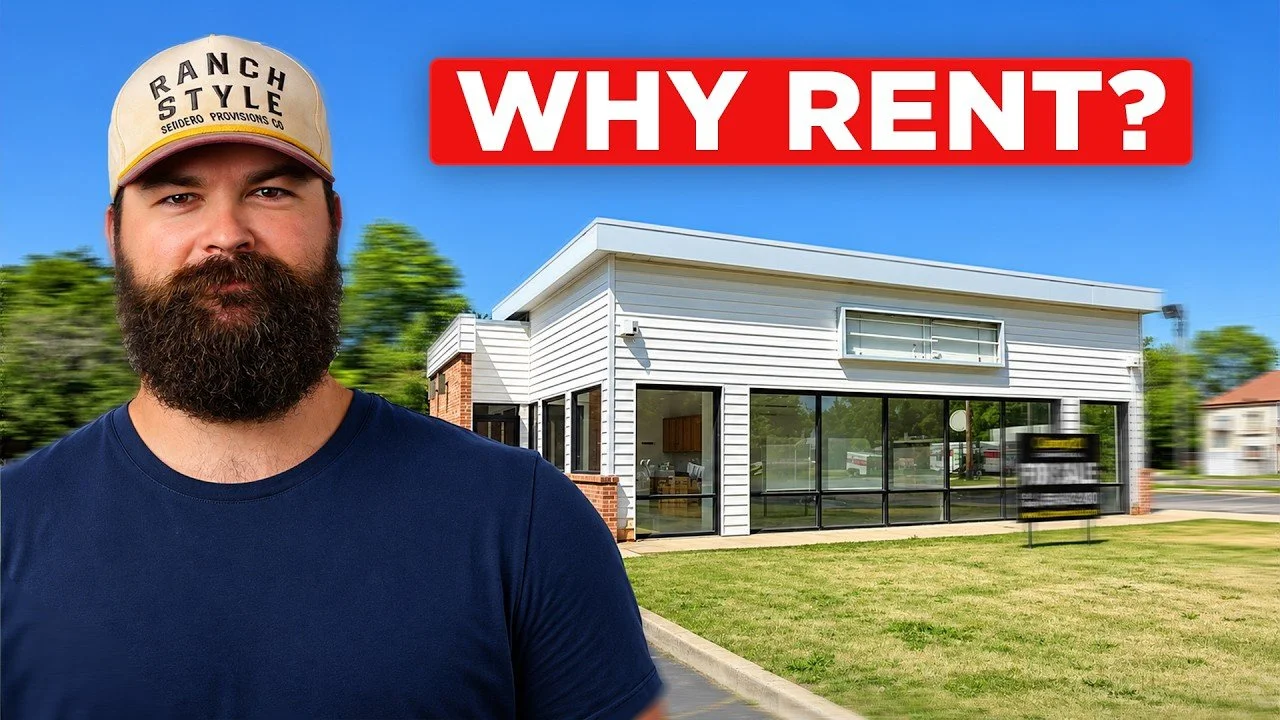
And I'll use my own as an example. I own The Wash in East Nashville. It used to be an old six bay self-serve car wash. I bought it in 2020 for about $412,000. And it made no sense to spend all of the money to bring it back as a car wash. So I instead built it into five micro restaurants and a bar. It was around $2.2 million all in and each bay became a small kitchen with a walk-up window and the old drive aisle became the patio.
The architect told me it was possible when I called him and asked if we should do this. And you know, with architects, it's only ever a matter of money, right? But I'm not the only one who's ever done something like this. Chris Thorndike took an abandoned car wash in Gainesville, Florida and turned it into micro retail suites for small businesses. What makes it work is the location. It's a tiny lot on a busy street in a neighborhood that loves local businesses. The building was the easy part to change.
The location is the part that you can't. So when you underwrite a car wash, don't just ask what happens if the tenant leaves. Ask what else the building could be. They're just boxes at the end of the day. Sometimes the answer is a better business than the car wash ever was. So there are three ways that I can see this playing out. You can buy the ground lease under a very strong operator, sell or ground lease your land to one, or buy the old car wash that nobody wants and just find a better use for it.
If you want to run numbers on a deal like this, grab my free deal analysis toolkit at tylercauble.com/toolkit. And if you want to see exactly how I turned a car wash into restaurants, watch this one next.
If it feels like every empty lot in your town is turning into a car wash, you're not imagining it. About 900 new car washes have opened in the US every year for the last five years, and the people paying for them aren't car guys. They're private equity firms, net lease investors, and some of the biggest money on Wall Street.