
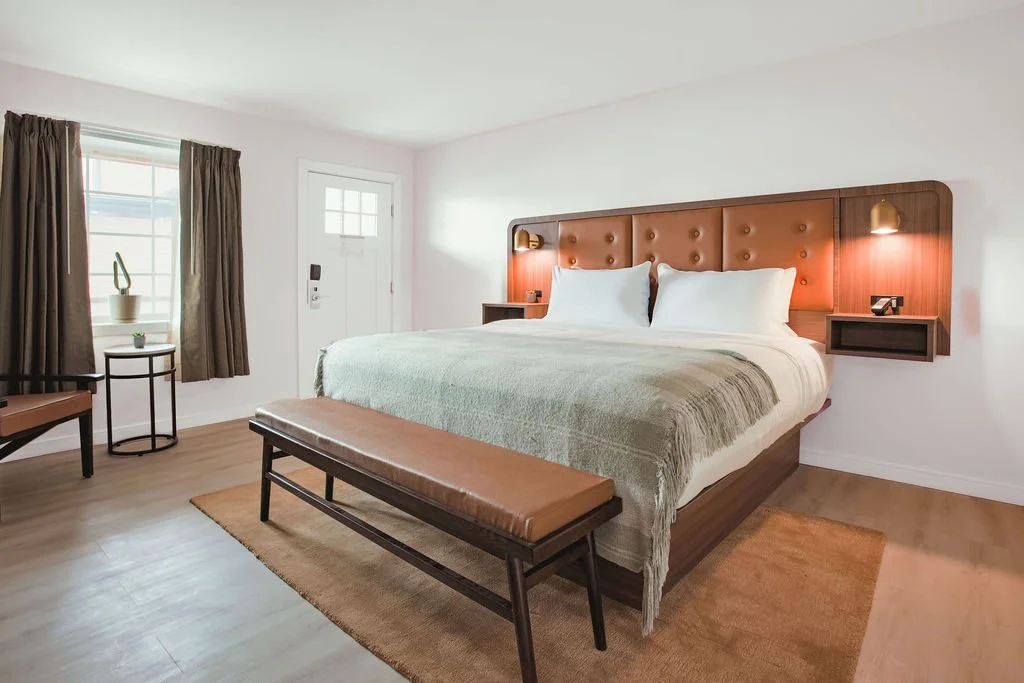
Rooms at Salt Ranch Hotel
I built the Salt Ranch hotel brand from the ground up. It wasn't my first real estate deal, but it was my first hotel. And if you're thinking about starting a boutique hotel, I want to walk you through exactly what that looks like, from day one to opening day.
This isn't a theoretical guide. This is what I learned by doing it, by making mistakes, by partnering with the right people, and by staying obsessed with creating something exceptional. Because that's what a boutique hotel really is. It's not just a place to sleep. It's a curated guest experience.
Why Your Boutique Hotel Business Plan Needs to Be Different
Let me be direct. A traditional hotel business plan won't work for a boutique property. The metrics are different. The guest expectations are different. Your entire operational philosophy has to be different.
A traditional hotel operator cares about RevPAR and occupancy rates. That's the spreadsheet. But a boutique hotel operator cares about the story. You're selling an experience, not square footage. The profit comes from that premium positioning, not from volume.
Your business plan needs to reflect that. It should focus on brand positioning, guest experience design, and premium pricing strategy. You're not competing on room count. You're competing on uniqueness and emotional connection.
And here's what matters: the Nashville boutique market is still underpenetrated. We're talking about only 7% of hotel rooms in the market being boutique inventory. That's opportunity. The market data shows ADR growth at 7.4% and RevPAR growth at 8.9%. Those numbers tell you there's real demand for this category.
Choosing the Right Location
Location isn't everything. But it's most things.
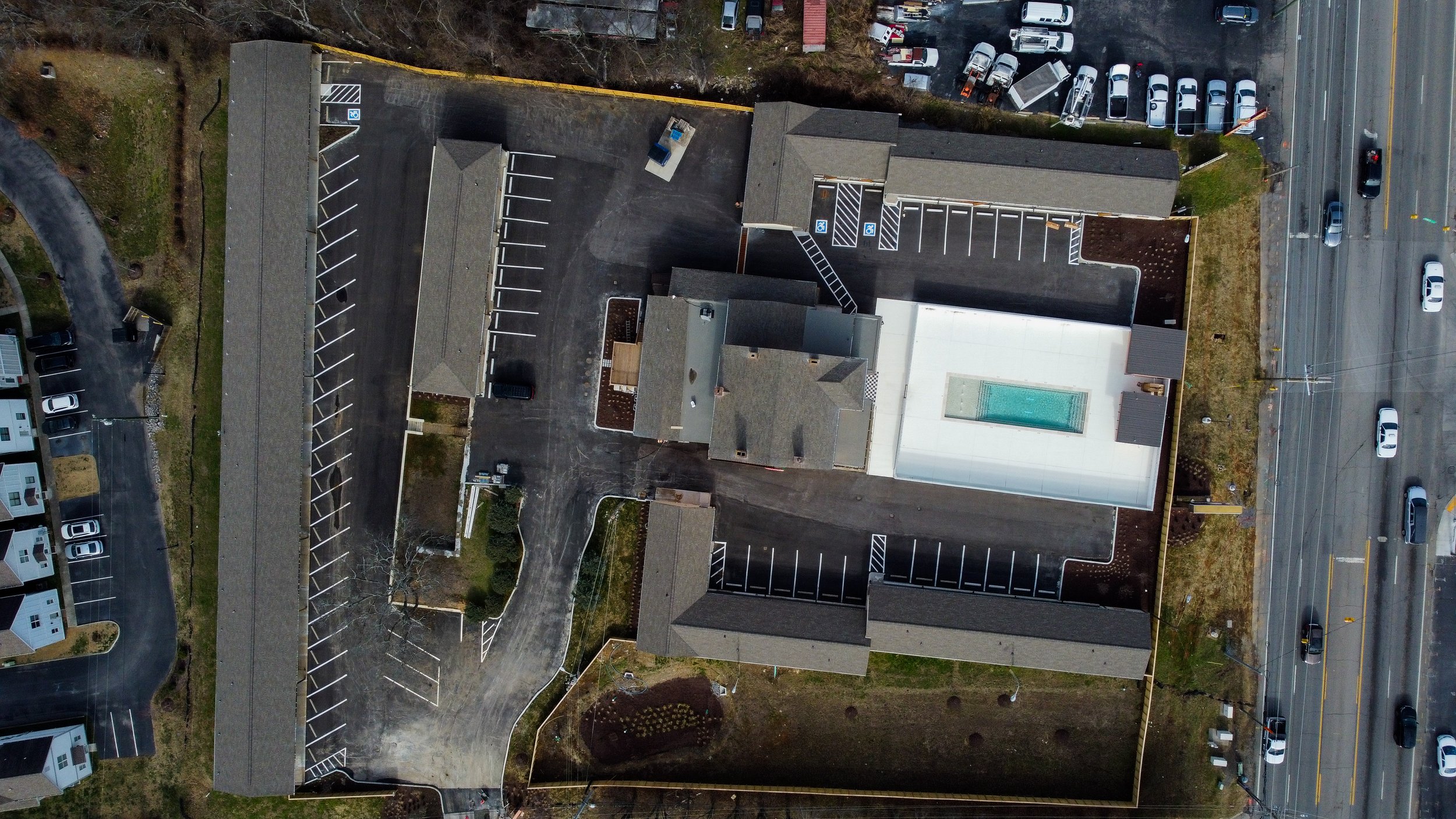
When I was scouting for Salt Ranch, I had a checklist. I needed 2.5 acres minimum. I needed to be at a major intersection in a heavily trafficked corridor. And I needed the location to have character, something that would resonate with the type of guest I wanted to attract.
East Nashville checked all those boxes. It's got history. It's got momentum. It's the kind of neighborhood where people want to stay because they want to experience that community. That's not accident. That's strategy.
When you're evaluating locations for your boutique hotel, don't just look at traffic counts and demographics. Drive the corridor at different times of day. Talk to local business owners. Get a feel for the energy of the place. Because that energy becomes part of your brand.
Running Your Market Research and Hotel Feasibility Study
You need data. Real data. Not guesses.
Before I committed to Salt Ranch, I commissioned a full hotel feasibility study. This isn't just about numbers. It's about understanding your specific market, your competition, and where your opportunity actually lies.
In Nashville, we found that boutique properties command premium rates, that there's underserved demand, and that the market is still in growth mode. The feasibility study gave me confidence that we could achieve the economics we needed.
Your feasibility study should answer these questions: What's the addressable market? How many rooms are already in the market, and what's the quality profile? What occupancy rates are boutique properties achieving? What ADR ranges are realistic for your concept? What's the competitive set, and how will you differentiate?
This is the work that determines whether you move forward or walk away. Don't skip it.
Assembling Your Team
You can't build a boutique hotel alone. And I didn't try.
First, you need the right hotel management company. I partnered with Remington Hospitality, and that decision shaped everything. They brought operational systems that actually work. They handled F&B programming, which is critical for a boutique property. And they ran the pre-opening marketing that got us positioned correctly in the market.
Without experienced hotel management, you're flying blind on operations. That's not an area where you save money.
Next, you need an architecture firm that understands hospitality design. I worked with CDP Architecture Nashville. They didn't just build a box. They understood that every architectural decision affects the guest experience and the operational efficiency of the property.
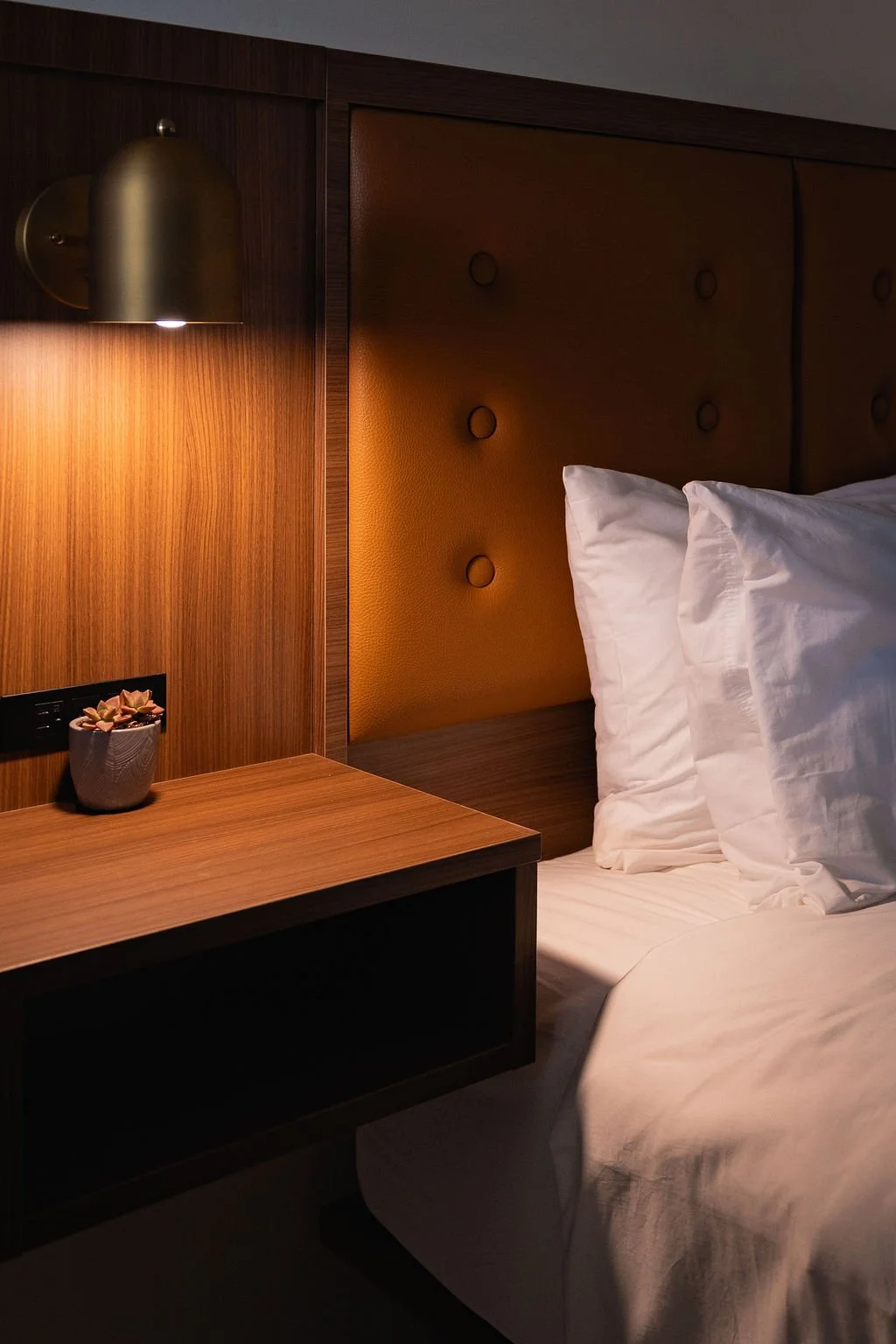
An interior designer is non-negotiable. This is where your brand comes to life. The furniture, the colors, the finishes, the flow of space. These details separate a boutique hotel from a generic property. This is where guests form their first impression and remember why they came back.
You also need a PR firm for your launch campaign. A boutique hotel's opening is a moment. You want to create buzz, get media coverage, and establish your market position before the first guest even checks in.
A branding agency develops your visual identity. Logo, color palette, photography style, messaging. This isn't decorative. It's strategic. Your brand is how guests recognize you and remember you.
And don't underestimate the importance of a signage artist for custom exterior work. For Salt Ranch, custom signage became part of our identity. It signals to the market that this isn't a chain property. It's something different.
Build the team first. The property gets better because of it.
Creating Your Brand and Guest Experience
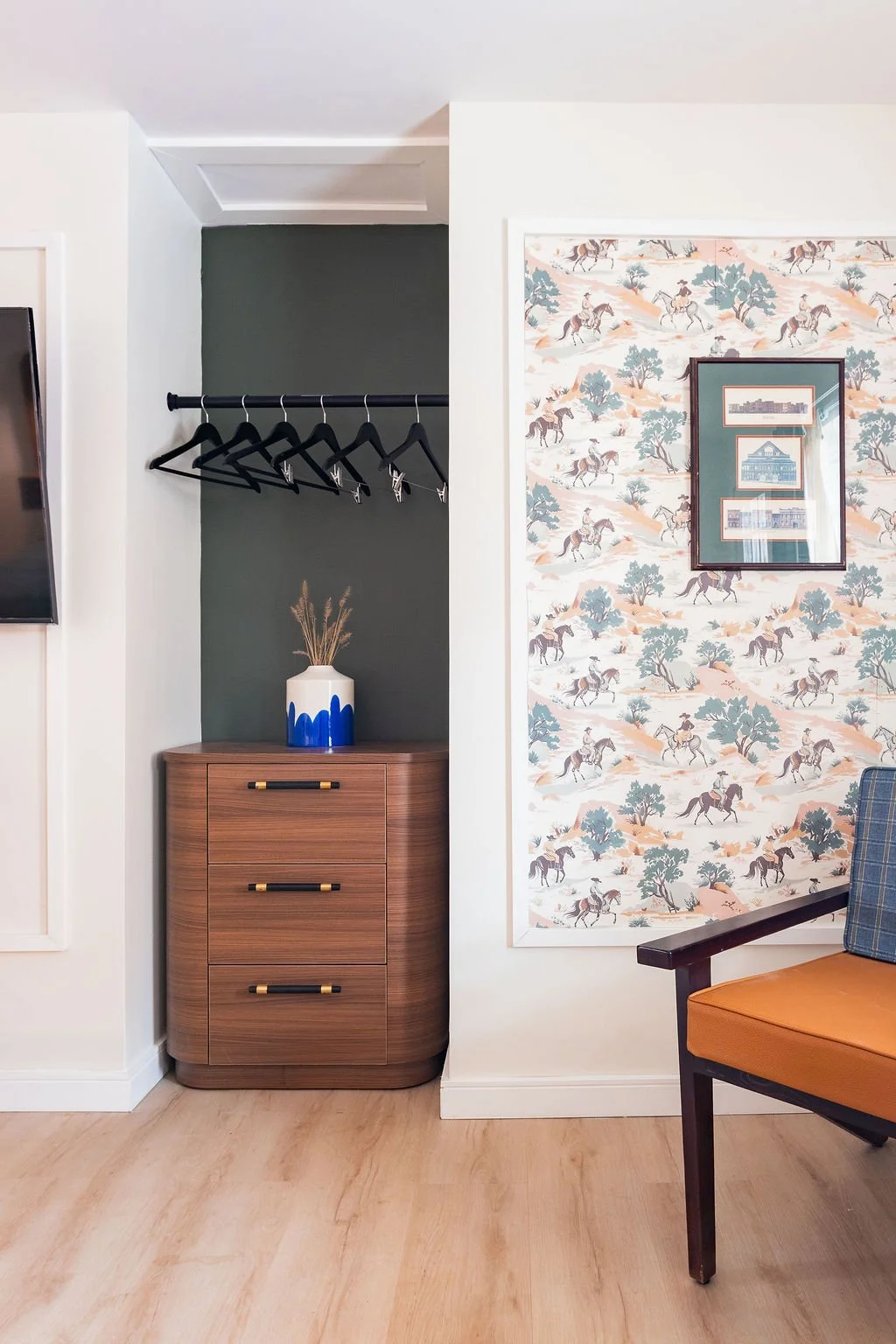
Here's my philosophy: a boutique hotel isn't just a place to sleep. It's a curated guest experience.
That means everything matters. The moment someone sees your property. The way your staff greets them. The quality of the coffee in the morning. The thoughtfulness of the room design. The recommendations you give for restaurants and experiences in the neighborhood.
For Salt Ranch, we thought about every touchpoint. We asked ourselves: what would make a guest feel like they're part of the community, not just passing through? How do we create a space that feels like a local's insider tip, not a tourist destination?
That brand positioning drives your design decisions, your staffing levels, your pricing strategy, your marketing message. Everything flows from that core philosophy.
Don't build a generic luxury hotel and call it boutique. That's not a brand. That's just expensive. Build something with a real point of view, a real story, a real connection to the place where it exists.
Financing Your Boutique Hotel
This is where it gets real. Hotels are capital-intensive projects.
My financing strategy for Salt Ranch involved multiple layers. We used hard money for the bridge phase. We secured a construction loan for the building phase. And we brought in investor equity to get comfortable with our return profile.
The structure matters. You need to understand your pro forma, your exit scenarios, and your investor expectations. This isn't a casual real estate flip. You're building something that needs to operate and generate returns for years.
Talk to hospitality lenders. They understand hotels in ways that general commercial lenders don't. And bring in experienced operators to validate your economics. Don't finance based on a spreadsheet fantasy.
Designing Your Budget and Scaling Scope
I learned this the hard way. I had an $17M scope that needed to become a $10M project.
This taught me something critical about building boutique hotels. You have to make strategic choices. What features deliver the most value to the guest experience? What can be elegant without being expensive?
Sometimes the most thoughtful design comes from constraints. You get creative. You prioritize. You build differently.
For example, we made certain design decisions that cost less but looked more intentional. We invested heavily in the guest-facing spaces and operations. We built smart where it mattered most.
Don't assume expensive equals better. Design for impact, not price tag. Your guests will feel the difference between thoughtful and wasteful.
Operations Planning and Guest Services
Before you open, you need to have thought through every operational detail.
How will you handle phones and reservations? What's your WiFi infrastructure and bandwidth requirement? What front desk technology are you implementing, and how does it affect the guest experience? How will you staff for the level of service you're promising? What's your F&B programming strategy?
These operational decisions define what kind of hotel you're actually going to be. They affect your labor costs, your guest satisfaction, and your profitability.
Work with your hotel management company to map out these systems before you're trying to figure them out during opening week. You want to be operational and polished on day one.
Marketing and Pre-Opening Strategy
Your marketing starts long before you open.
We created a pre-opening marketing strategy that built anticipation, established our brand positioning, and created a list of people who were waiting to book on day one.
This includes media outreach, social media strategy, influencer partnerships, and community engagement. For a boutique hotel, word of mouth is powerful. But you need to seed that word of mouth before you open.
And your staff needs to be trained and excited. They're your first brand ambassadors. If they don't believe in what you've built, your guests won't either.
The Biggest Lessons from Building Salt Ranch
I've learned more from this project than from deals that seemed simpler on paper.
First, the operations of a hotel are more complex than the capital project. The building is one thing. Running it, staffing it, maintaining it, evolving it. That's ongoing. Plan for that.
Second, your team matters more than your capital. I had great people. That made the difference between something good and something exceptional.
Third, the details matter. Every choice you make about design, operations, and service compounds. Small excellence becomes big excellence.
Fourth, stay focused on the guest experience. Don't get distracted by metrics. Let the metrics be the outcome of obsessing over experience.
And fifth, be willing to adapt. I had a scope that was too large. We adapted. The project is better because of it.
This Won't Be the Last One
I'm already looking at other sites. There's opportunity in this market, and I've learned what it takes to execute.
The boutique hotel category has room to grow. Not just in Nashville. Across markets. If you understand how to build something that's actually different, actually better, actually more profitable than the generic alternative, you'll find that opportunity.
That's what Salt Ranch is. It's a proof of concept that you can do this right.
Key Takeaways for Starting Your Boutique Hotel
Your business plan needs to focus on experience and brand positioning, not just revenue per room.
Choose a location with character and traffic. A major intersection in a highly trafficked corridor matters.
Commission a hotel feasibility study. Understand your market, your competition, and your realistic economics.
Assemble experienced partners: hotel management, architecture, interior design, PR, branding, and operational expertise.
Create a brand philosophy around guest experience. Make every decision flow from that.
Understand your financing structure. Hotels require capital strategy, not just capital.
Design for impact, not expense. Strategic choices create better outcomes than unlimited budgets.
Map out operations in detail before you open. Guest experience is built on operational excellence.
Run a serious pre-opening marketing campaign. Build anticipation and a waiting list.
Hire great people and trust them. Your staff is your brand in the market.
A Final Word
Building a boutique hotel is one of the most challenging and rewarding things I've done. It's not a passive investment. It's an active project that demands your attention, your creativity, and your obsession with excellence.
But if you get it right, you're not just building a hotel. You're building a destination. You're creating a space where people form memories. You're part of a community. And you're proving that there's real demand for something better than the generic alternative.
That's what Salt Ranch is becoming. And it's why I'm already looking at what's next.
Ready to Build Something Great?
If you're serious about commercial real estate development, boutique hospitality, or scaling your knowledge in this space, I've built the CRE Accelerator specifically for entrepreneurs like you. It's where I share the playbook that's working right now.
The Complete Salt Ranch Series
This post is part of the Salt Ranch Series, documenting the full story of building a boutique hotel in Nashville from finding the deal to financing, design, construction, and opening day.
Read the Full Salt Ranch Series:
- How an Old Roadside Motel Became Salt Ranch
- How to Finance a Boutique Hotel
- How I Analyzed a $3 Million Motel Deal
- Boutique Hotel Design: How We Turned a 1950s Motel into Salt Ranch
- How to Build a Hotel: The Development Timeline Nobody Talks About
- How to Start a Boutique Hotel: Lessons from Building Salt Ranch (You Are Here)
We're excited about Salt Ranch opening soon. It's been an incredible journey, and the property is going to surprise people. The attention to detail, the guest experience design, the operational systems we've put in place. This is what a modern boutique hotel should be.
If you want to stay updated on the opening and get insider perspectives on development, hospitality, and commercial real estate strategy, sign up for the CRE Accelerator or follow along on our other projects. There's more to come.