
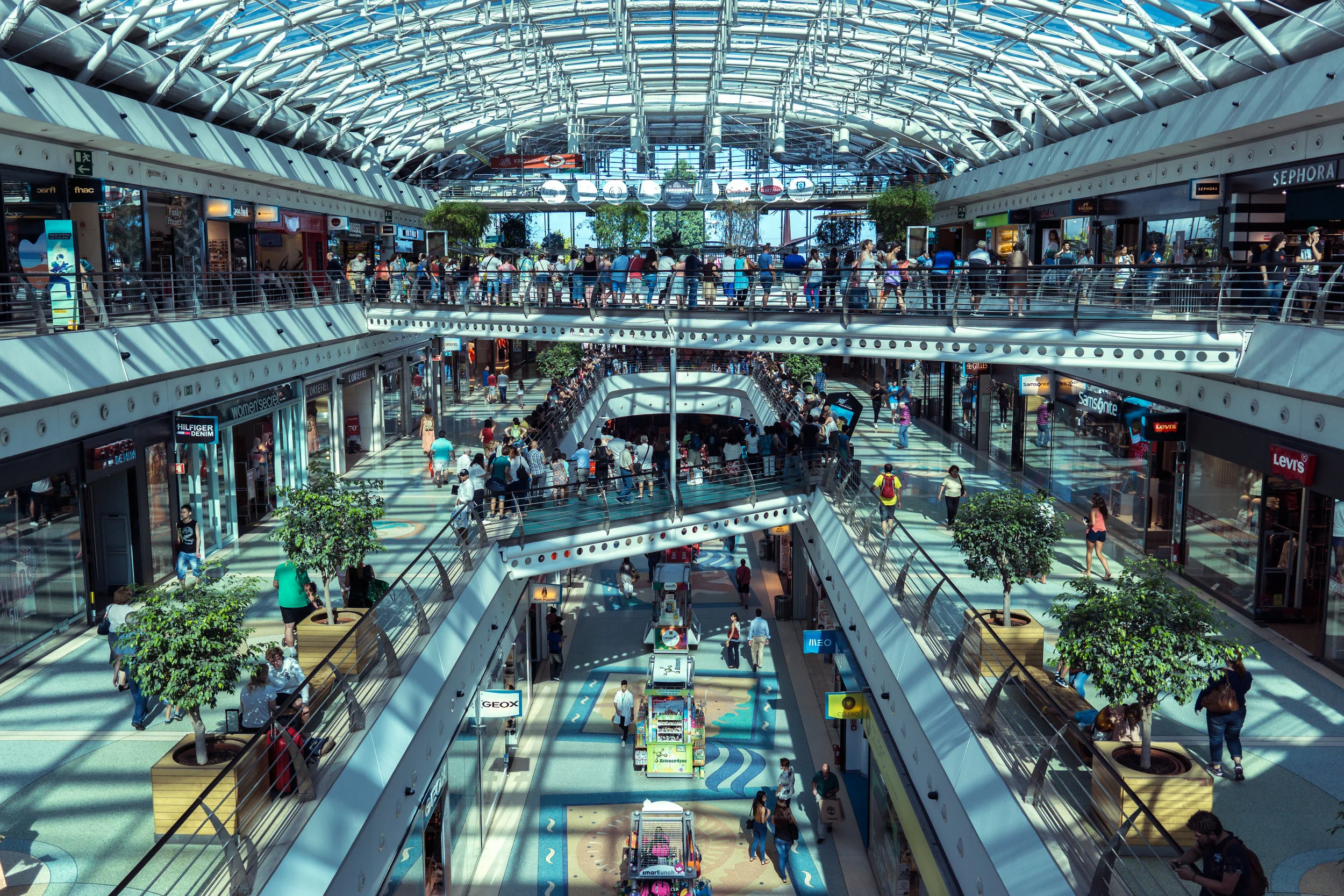

CAM charges, short for common area maintenance, are the fees a commercial tenant pays toward the upkeep of the shared areas of a property: the parking lot, lobbies, hallways, landscaping, lighting, and everything else outside your four walls that the whole building uses. They're a normal part of most commercial leases, but they're also one of the most misunderstood line items in a deal, and one of the easiest places for a tenant to overpay.
In this guide I'll break down exactly what CAM charges are, what's included (and what shouldn't be), how they're calculated from your pro-rata share, how annual reconciliation works, and the specific terms tenants should negotiate to keep them under control.
In This Article
What's Included in CAM (and What Shouldn't Be)
How CAM Charges Are Calculated
Controllable vs. Uncontrollable CAM & Caps
What Are CAM Charges?
CAM charges are the tenant's share of the cost to operate and maintain the common areas of a commercial property, the spaces every tenant benefits from but no single tenant occupies. Think parking lots, sidewalks, lobbies, elevators, shared restrooms, landscaping, exterior lighting, snow removal, and security. Rather than absorb those costs itself, the landlord passes them through to tenants, each paying a proportionate share.
CAM shows up most in triple net (NNN) and modified gross leases, where the tenant pays these operating costs on top of base rent. In a full-service (gross) lease, CAM is bundled into one rent number instead of billed separately, but you're still paying it, it's just baked in. Understanding which lease type you have is the first step to understanding your CAM.
What's Included in CAM (and What Shouldn't Be)
Typical CAM charges cover the day-to-day operation of the shared areas: landscaping and grounds, parking lot maintenance and striping, snow and trash removal, common-area utilities and lighting, janitorial for shared spaces, security, repairs and maintenance of common systems, and usually a property management or administrative fee (often 10 to 15 percent of the total). Depending on the lease, property taxes and insurance may be lumped in with CAM or billed as separate "nets."
Just as important is what shouldn't be in your CAM. Watch for landlords slipping in things like major capital improvements (a new roof or HVAC system), costs to lease space to other tenants, the landlord's own corporate overhead, or expenses tied to a specific tenant. These don't belong in the operating pool you share, and a well-negotiated lease spells out exclusions clearly.
How CAM Charges Are Calculated
CAM is split among tenants by pro-rata share, based on how much of the building you occupy. The formula is simple:
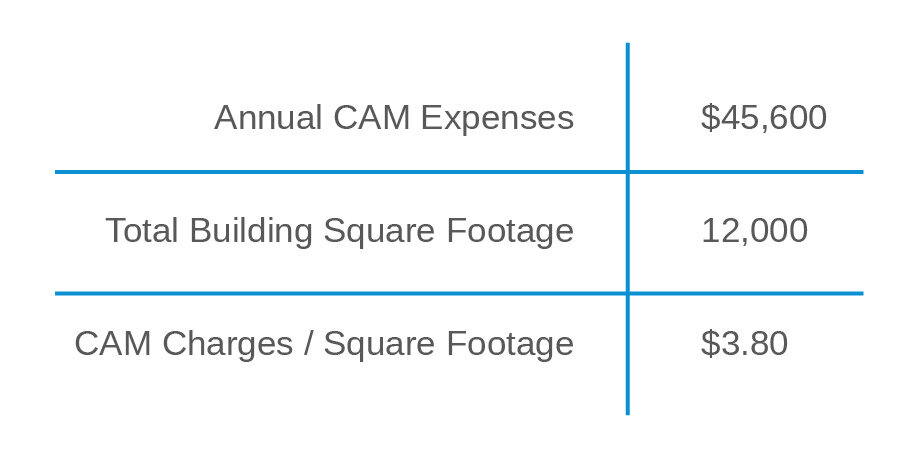
Your CAM share = (Your rentable square footage ÷ Total rentable square footage of the property) × Total CAM expenses
So if you lease 2,000 square feet in a 20,000-square-foot building, your pro-rata share is 10 percent, and you'd pay 10 percent of the property's total CAM. That amount is usually quoted as a rate per square foot per year (for example, $5 per square foot) and billed monthly along with your rent. Because CAM is tied to your rentable square footage, the way that square footage is measured directly affects your bill.
One wrinkle to know: in a partially occupied building, landlords often "gross up" the variable expenses, calculating them as if the building were roughly 95 percent full, so that occupied tenants aren't unfairly stuck covering the vacant space's share. A fair gross-up is standard; an aggressive one can inflate your bill.
Controllable vs. Uncontrollable CAM & Caps
Not all CAM is created equal. Costs generally fall into two buckets. Controllable expenses are the ones the landlord has some power over, landscaping, management fees, general maintenance. Uncontrollable expenses are largely out of their hands, property taxes, insurance, snow removal, and utility rates.
This distinction matters because of CAM caps. A cap limits how much your controllable CAM can rise year over year, often 3 to 5 percent. Caps can be cumulative (unused increases carry forward) or non-cumulative (each year stands alone), and the difference can add up over a long lease. Landlords typically resist capping uncontrollable costs, since they can't control them, but capping the controllable bucket protects you from runaway increases and is one of the most valuable things a tenant can negotiate.
CAM Reconciliation (the Annual True-Up)
Here's how CAM actually gets billed. At the start of the year, the landlord estimates the property's total CAM and bills you your share in equal monthly installments. Then, after the year closes, they reconcile the estimate against what was actually spent. If actual costs came in higher, you get a bill for the difference; if lower, you get a credit. This year-end true-up is called CAM reconciliation.
Reconciliation is where surprises happen, so as a tenant you want the right to review the backup, and ideally an audit right that lets you (or an accountant) inspect the landlord's records if a bill looks off. Getting a reconciliation statement with detail, not just a lump sum, is reasonable to ask for and worth insisting on.
How Tenants Can Negotiate CAM
CAM is negotiable, and how well you handle it can meaningfully change your true occupancy cost. A few things I always push for on the tenant side:
Negotiate a cap on controllable expenses so your CAM can't balloon. Nail down exclusions in writing, capital improvements, the landlord's overhead, and leasing costs should not be in your pool. Get audit rights so you can verify the annual reconciliation. Confirm the gross-up is calculated fairly. And ask for the property's CAM history, the last two or three years of actual charges, before you sign, so there are no surprises. These protections cost the landlord little and can save you a lot, and they pair well with the other concessions worth negotiating in a lease.
Frequently Asked Questions
What are CAM charges in commercial real estate?
CAM (common area maintenance) charges are a commercial tenant's proportionate share of the cost to operate and maintain a property's shared areas, such as parking lots, lobbies, landscaping, lighting, and snow removal. They're typically billed on top of base rent in triple net and modified gross leases.
How are CAM charges calculated?
CAM is calculated by pro-rata share: your rentable square footage divided by the property's total rentable square footage, multiplied by the total CAM expenses. For example, a tenant occupying 10 percent of a building pays 10 percent of its CAM, usually quoted as a rate per square foot and billed monthly.
What is included in CAM charges?
CAM typically includes landscaping, parking lot maintenance, snow and trash removal, common-area utilities and lighting, janitorial, security, repairs to shared systems, and a management or administrative fee. Property taxes and insurance may be included or billed separately depending on the lease. Capital improvements and the landlord's overhead generally should be excluded.
What is a CAM cap?
A CAM cap limits how much your controllable CAM charges can increase each year, commonly 3 to 5 percent. It protects tenants from runaway operating-cost increases. Caps usually apply only to controllable expenses, since landlords can't control costs like taxes, insurance, and utilities.
What is CAM reconciliation?
CAM reconciliation is the annual true-up between what a tenant was billed (based on the landlord's estimate) and the actual CAM costs for the year. If actual costs were higher, the tenant owes the difference; if lower, the tenant receives a credit. Tenants should have the right to review the backup and, ideally, audit rights.
Key Takeaways
CAM charges are your share of the cost to maintain a property's common areas, billed on top of base rent in NNN and modified gross leases.
CAM is split by pro-rata share: your square footage divided by the building's total, times total CAM expenses.
Negotiate a cap on controllable CAM and get clear exclusions so operating costs can't balloon over your lease term.
Watch the annual reconciliation and secure audit rights, it's where unexpected bills tend to show up.
Want to go deeper on commercial leases and occupancy costs? Explore more guides on the commercial real estate investing hub.
Negotiating a commercial lease?
Get my step-by-step blueprint and personalized coaching on structuring leases and deals inside the CRE Accelerator.
Learn About the CRE Accelerator



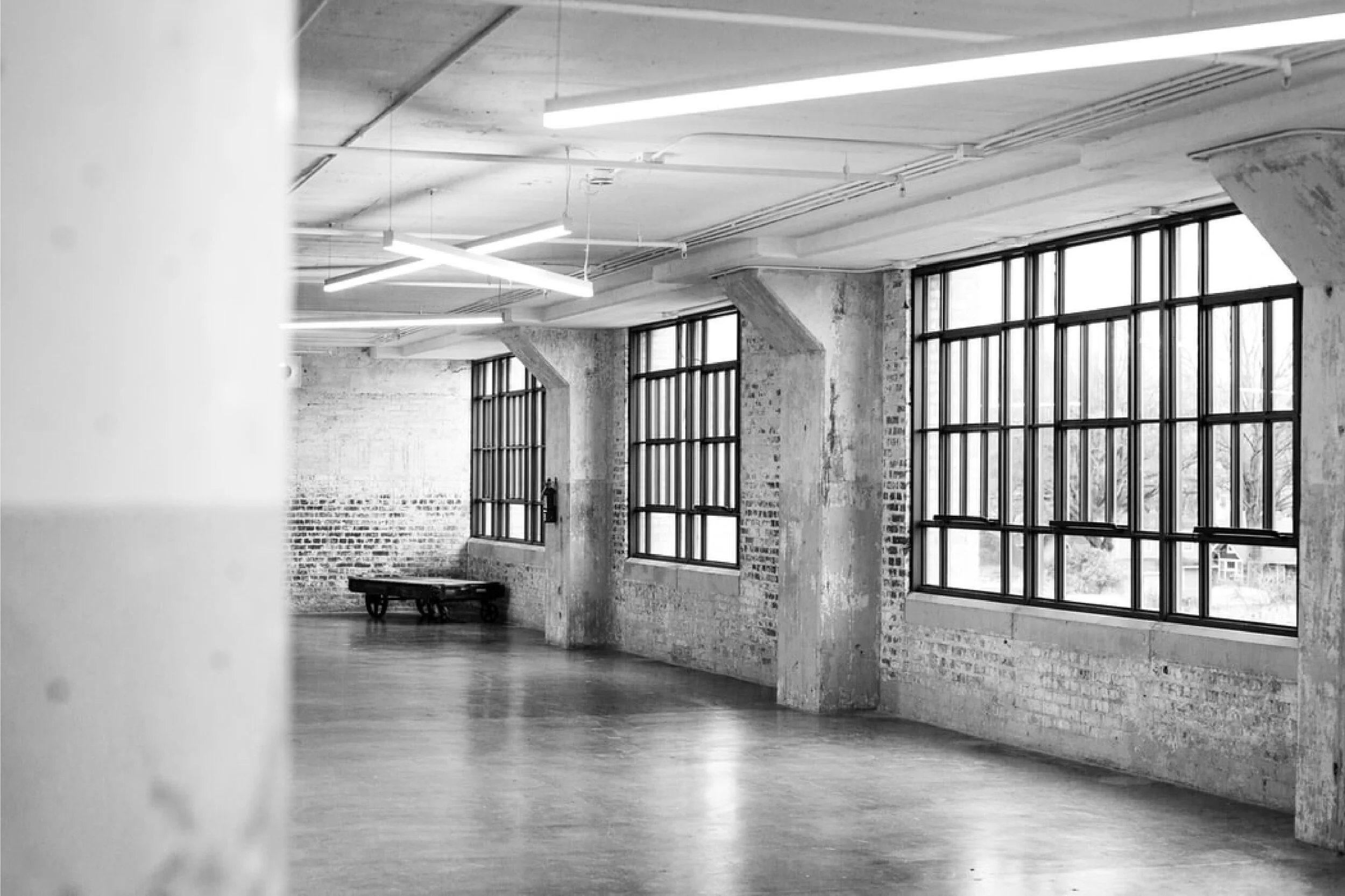






If you have ever started a search for commercial real estate, you likely know that it is almost guaranteed your new space will require some form of build-out. Although looming construction costs can be intimidating, tenants have the option to push for a tenant improvement allowance in order to help mitigate the costs associated with a build-out.