

From Chaos to Clarity: Lessons From a Decade in Development
Meg Epstein didn’t set out to become a developer.
She started on the construction side, project managing ultra-high-end residential builds in California, the kind of homes where details matter, timelines stretch for years, and execution is everything. That job-site foundation gave her an operator’s mindset early: budgets are real, plans have consequences, and the smallest misstep can snowball fast.
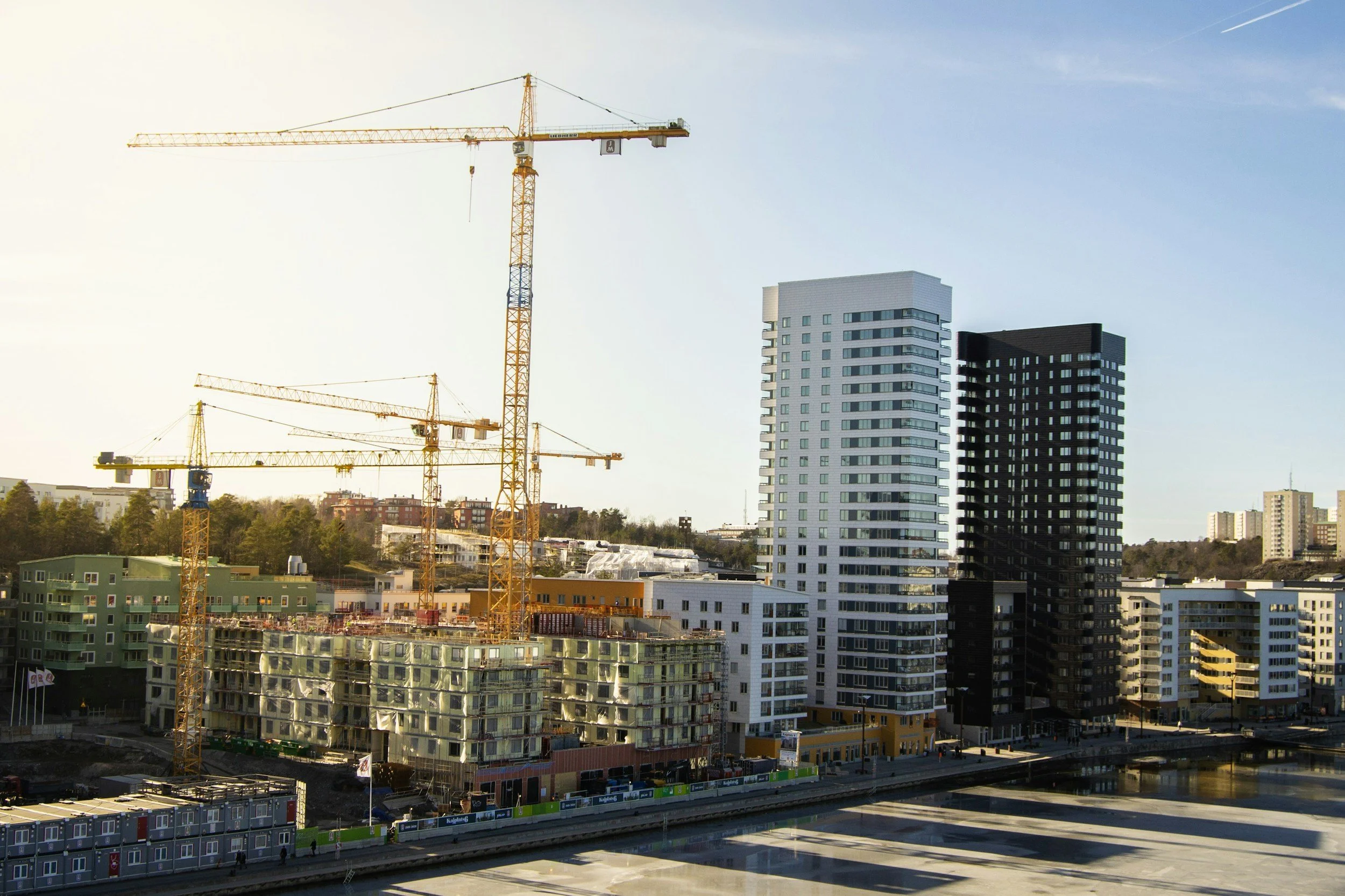
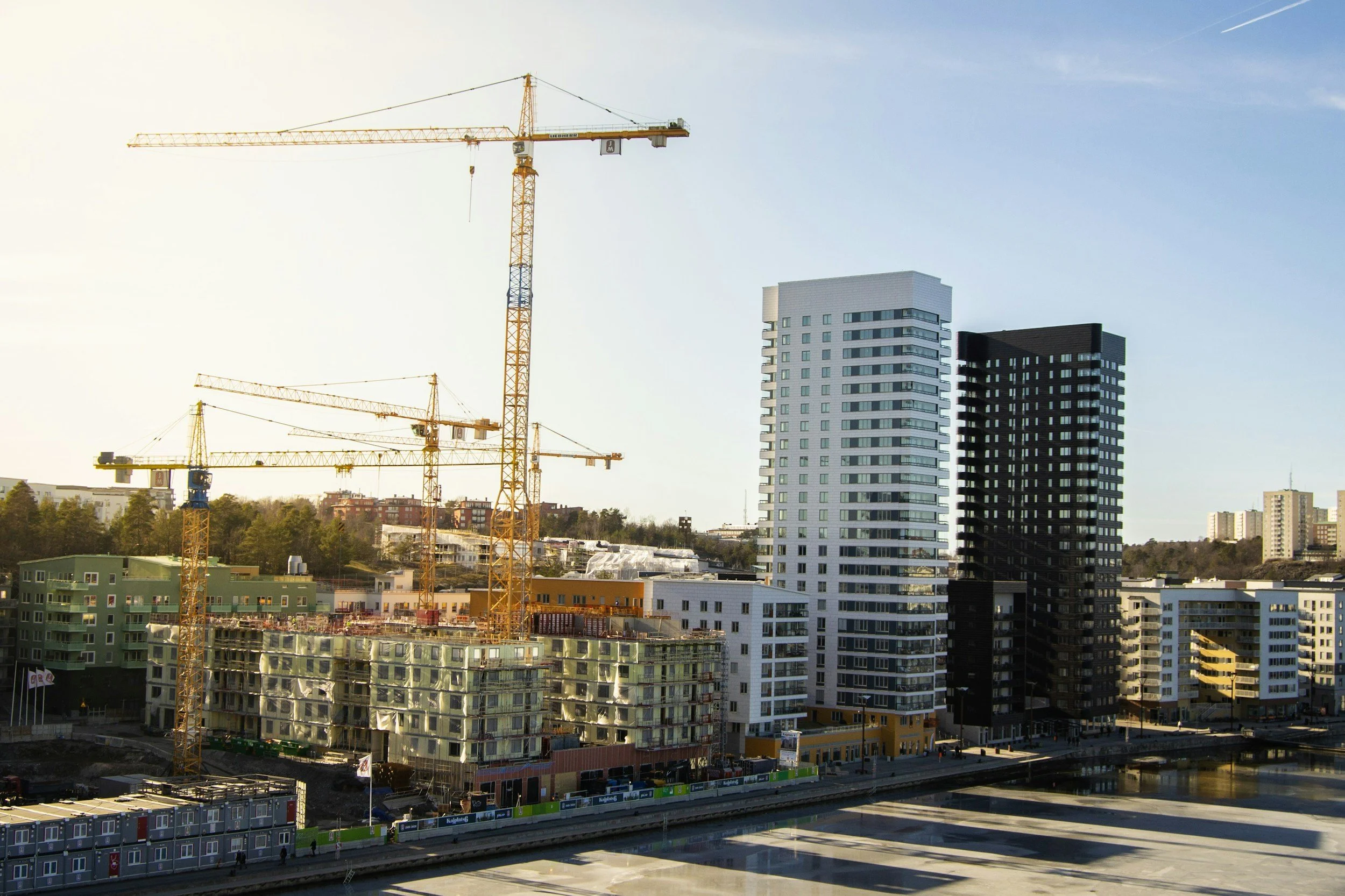
When she moved to Nashville, she immediately saw opportunity where most people saw “no thanks”- especially along the river. While locals dismissed it as industrial and undesirable, Meg saw a future neighborhood: proximity to downtown, walkability, and an overlooked waterfront that felt obvious coming from markets like San Francisco.
But her real credibility wasn’t built in the easy wins, it was forged in the early deals where she had to figure things out in real time.
On her first major project, she entered as the financial partner to a developer, raised capital through cold outreach (not a built-in friends-and-family network), and quickly learned that the plan on paper doesn’t matter if the deal doesn’t pencil. When the original approach fell apart, she had to step into the developer seat midstream - scrapping work, restructuring the plan, and making high-stakes decisions under pressure.
That pattern - being forced into clarity when everything gets messy - became the theme of her next decade. She went on to build through multiple cycles, experience the “frothy” highs of 2022, and then endure the whiplash of rising rates, dried-up equity, and tough operational resets. And on the other side of that volatility, she rebuilt her business model with tighter focus, a leaner team, and a clearer definition of what she actually wants the business to support.

The first real test
When Meg moved to Nashville, she wasn’t trying to build a brand. She was looking for opportunity.
What caught her attention was the river.
Locals dismissed the area as industrial. It wasn’t polished. It wasn’t trendy. But to Meg, coming from more mature markets, proximity to downtown and waterfront access were long-term fundamentals. The disconnect between perception and potential was the opportunity.
She called a for-sale-by-owner sign on a riverfront site and eventually partnered with a developer to bring the project to life. Her role wasn’t construction or design - at least not at first. She stepped in as the financial partner, responsible for raising capital and helping structure the deal.
There was no built-in investor base.
The capital came from relentless outreach - BiggerPockets connections, the CCIM directory, anyone who would take a call. It was assembled piece by piece.
The original vision was ambitious: concrete construction, high design, a project that looked institutional from day one. On paper, it made sense.
In practice, it didn’t.
Roughly a million dollars went into plans that ultimately couldn’t be built profitably. The budget was too high. The design was too expensive. Financing wasn’t lining up the way it needed to.
Walking away would have meant accepting that all of it - the time, the money, the effort - was sunk.
“The idea of wasting all that money on plans was like unfathomable to me.”
This was the moment where the project either died or transformed.
Instead of forcing a broken plan forward, they scrapped it. Working closely with the general contractor, Meg helped redesign the project entirely - shifting to a stick-over-podium approach, increasing unit count, and dramatically reducing construction costs.
It wasn’t a small tweak. It was a full reset.
“I had to really get into crisis mode.”
She waived her developer fee. She restructured the numbers. She stayed in the fight.
The revised plan worked. They cut roughly 25% out of the budget, delivered the project, and ultimately generated a multi-million dollar outcome.
But the real shift wasn’t financial.
Until that point, Meg hadn’t set out to become a developer.
“I never really wanted to be a developer actually.”
That deal forced her into the role. When the partnership structure broke down and the original approach collapsed, there was no one else to step in.
She became the developer because the project needed one.
And from that point forward, she wasn’t just participating in deals - she was leading them.

Growth, Expansion, and the “Frothy” Years
After that first riverfront project worked, the trajectory changed.
Meg had credibility. She had a track record. And she had proof that she could navigate a deal when it stopped working.
From there, the business expanded.
She moved into other product types - multifamily, industrial, and variations of what she now calls “flexible living.” Some projects were merchant builds. Some were longer-term holds. The pipeline grew, the team grew, and so did the ambition.
By 2022, things felt different.
Capital was flowing. Deals were moving. Pre-sales were strong. Exits were happening. The market was rewarding growth.
The team expanded to 22 people.
It felt like arrival.
“I was like, ‘Oh, we’re finally so successful after all this hard work.’”
But 2022 also marked a shift.
Interest rates began rising in September. Capital tightened. Equity partners became cautious. Projects that penciled months earlier suddenly didn’t.
“September of ’22 is when interest rates started spiking… and the music just stopped.”
When you operate with a large team and multiple active developments, fixed costs don’t pause when the market does.
Overhead becomes real quickly.
What had felt like momentum started to feel like pressure. The burn rate of a growing organization demands constant forward motion. When transactions slow, that pressure compounds.
Looking back, Meg describes 2022 as “frothy.”
There was excitement. Energy. Growth.
But also expansion beyond what the cycle could sustain.
The hard part wasn’t the market shift. It was what followed.
She had invested heavily in culture, in people, in building something bigger than herself. Letting team members go wasn’t just a business decision - it was personal.
“The hardest part about this last cycle was the people aspect.”
The reset wasn’t optional. It was necessary.
She restructured the company entirely.
Smaller team. Higher performers. Clearer focus.
“I restructured my whole company… assassins only. Small team.”
It wasn’t about cutting ambition. It was about regaining control.
With lower overhead came optionality - the ability to choose projects carefully instead of needing deals to feed payroll.
That shift changed the strategy as much as the structure.
Instead of chasing scale for scale’s sake, the focus narrowed. The question became less about how big the company could get and more about what kind of business she actually wanted to run long term.
The market forced discipline.
And discipline reshaped the company.

Redefining Success: Cash Flow Over Applause
For years, the model was simple: build, stabilize, sell, repeat.
Merchant development creates big moments. Large exits. Headlines. Liquidity events that feel like validation.
But it also creates a treadmill.
As soon as a project sells, the clock resets. Capital is distributed. The pipeline has to refill. The team has to stay busy. The next deal has to move.
Meg began to question whether that model (even when successful) was actually building what she wanted long term.
“As soon as you sell the project… we’ve got to get back onto the next one or we’re going to run out of cash again.”
That realization reframed everything.
The goal was no longer just profitable exits. It was durable income. Stability. A portfolio that produced cash flow without requiring constant reinvention.
Instead of optimizing purely for IRR, she started thinking about predictability.
Longer hold periods.
Opportunity Zone structures.
Assets that could compound rather than churn.
The strategy shift was subtle but significant.
When you rely entirely on development fees and sales profits, you are always tied to transaction cycles. When you build around cash flow, you create insulation.
That insulation becomes even more valuable after living through multiple cycles.
Meg had already experienced the high of rapid growth and the pain of contraction. The new focus wasn’t about getting bigger — it was about getting sturdier.
Building a Business That Supports Life
The evolution wasn’t just financial.
Early in her career, Meg worked relentlessly. One hundred-hour weeks weren’t unusual. That season required intensity - especially navigating her first major project and proving herself in a new market.
But over time, her personal life changed.
She became a mother. Four kids in two years.
And the definition of “winning” shifted.
The question wasn’t how many projects she could stack in a pipeline. It was whether the company gave her freedom.
Freedom to step away.
Freedom to travel.
Freedom to work from Europe for a summer if she wanted to.
“Now I have an incredible life… the flexibility to go work in Europe for the summer…”
That doesn’t happen by accident.
It happens when:
Overhead is controlled.
The team is lean and capable.
Projects are chosen intentionally.
Cash flow exists outside of constant transactions.
Designing a business around life requires clarity. It means saying no to projects that don’t align. It means resisting the urge to scale just because the market allows it.
It also means being honest about ego.
Growth for the sake of growth is seductive - especially in development. Bigger teams. Bigger deals. More visibility.
But bigger doesn’t always mean better.
For Meg, the current season is about alignment.
Alignment between:
Asset type and conviction.
Team size and sustainability.
Portfolio structure and long-term freedom.
After a decade of building, breaking, rebuilding, and refining, the ambition hasn’t shrunk.
It’s just sharper.
And this time, it’s built to last.

The Shift Toward Cash Flow
Development can create significant upside.
Big exits. Strong IRRs. Meaningful liquidity events.
But it also creates volatility.
For years, Meg operated within a merchant-build model - entitle, build, sell, repeat. It works. When the market cooperates, it works extremely well.
But the dependency on transaction timing became harder to ignore.
“As soon as you sell the project… we’ve got to get back onto the next one or we’re going to run out of cash again.”
That’s the hidden pressure inside merchant development. The cash comes in waves - not streams.
When the market slows, exits stall. When exits stall, capital pauses. And when capital pauses, even strong operators feel it.
After experiencing both the upside of 2022 and the abrupt slowdown that followed, Meg began prioritizing something different: stability.
Instead of optimizing purely for equity pops, the focus shifted toward assets designed to produce durable income.
Longer holds.
Opportunity Zone structures.
Projects that generate cash flow rather than just terminal value.
It wasn’t a retreat from development. It was a refinement of it.
The goal became building a portfolio that could support the company and herself through cycles. Not just perform in favorable ones.
Cash flow changes your posture as an operator.
You make decisions differently when:
You don’t need to sell to survive.
You aren’t dependent on constant new starts.
You can wait for the right opportunity instead of chasing momentum.
After a decade of building through multiple cycles, that stability became more valuable than scale.
The ambition didn’t disappear.
It just became grounded in sustainability.
What a Decade in Development Teaches You
Meg’s story isn’t about a single deal.
It’s about evolution.
She started by stepping into a project that almost fell apart - forced into becoming the developer when the original plan didn’t work. That crisis sharpened her instincts.
She grew through expansion by building a larger platform, hiring aggressively, and riding the momentum of a strong market.
Then she experienced contraction - rising rates, stalled capital, hard resets, and restructuring.
And on the other side of it, the strategy became clearer:
Niche beats generic scale.
Lean teams create flexibility.
Cash flow creates control.
Development will always carry risk. Cycles will always turn. Capital will always ebb and flow.
The operators who last aren’t the ones who grow the fastest in strong markets.
They’re the ones who design businesses that survive weak ones.
For Meg, that means focusing on differentiated product, maintaining disciplined overhead, and building long-term cash flow alongside development upside.
It’s not less ambitious.
It’s more intentional.
And that shift from chasing momentum to building durability is what separates a good run from a long career.
For those interested in delving deeper into commercial real estate investing, check out our course offerings. The courses provide in-depth insights, real-world case studies, and practical strategies to help you navigate the complexities of commercial real estate and achieve success in your ventures. Whether you're a seasoned investor or just starting in the world of commercial real estate, there's always more to learn. Equip yourself with the knowledge and tools you need to thrive in commercial real estate!