What NNN, FSG, and MG Mean in Commercial Real Estate
Commercial leases can be confusing: What are triple net, full service gross, and modified gross leases? Today we’re talking about commercial lease structures and the differences between each one. Commercial real estate, like many other industries, is full of its own lingo. If you’re looking to lease commercial space, you’ve likely run across phrases such as “triple net” or “full-service” whenever a broker or landlord explains what type of lease they’re using. But what does that actually mean? And, maybe a better question, why are certain lease structures utilized instead of others? Let’s dive into what triple net (NNN), full-service gross (FSG), and modified gross (MG) mean and the differences between them.
Two real term sheets on the same $400,000 building, read line by line. The local bank quotes 7.00 percent and the credit union quotes 7.75, and the cheaper rate costs $19,022 more cash at closing for 19 basis points of return. The reveal is that neither lender honors its stated loan to value: both fail their own coverage test and resize the loan down, which is the thing that surprises first-time buyers two weeks before closing. Closes with the exact package to send a lender before they ask for it.
Two identical commercial spaces. Same size, same property type, but one is worth $97,222 more because of how the lease is structured.
One rents for $14/SF triple net, while the other brings in $18/SF gross. You'd think the higher rent means a better investment, right?
Not necessarily.
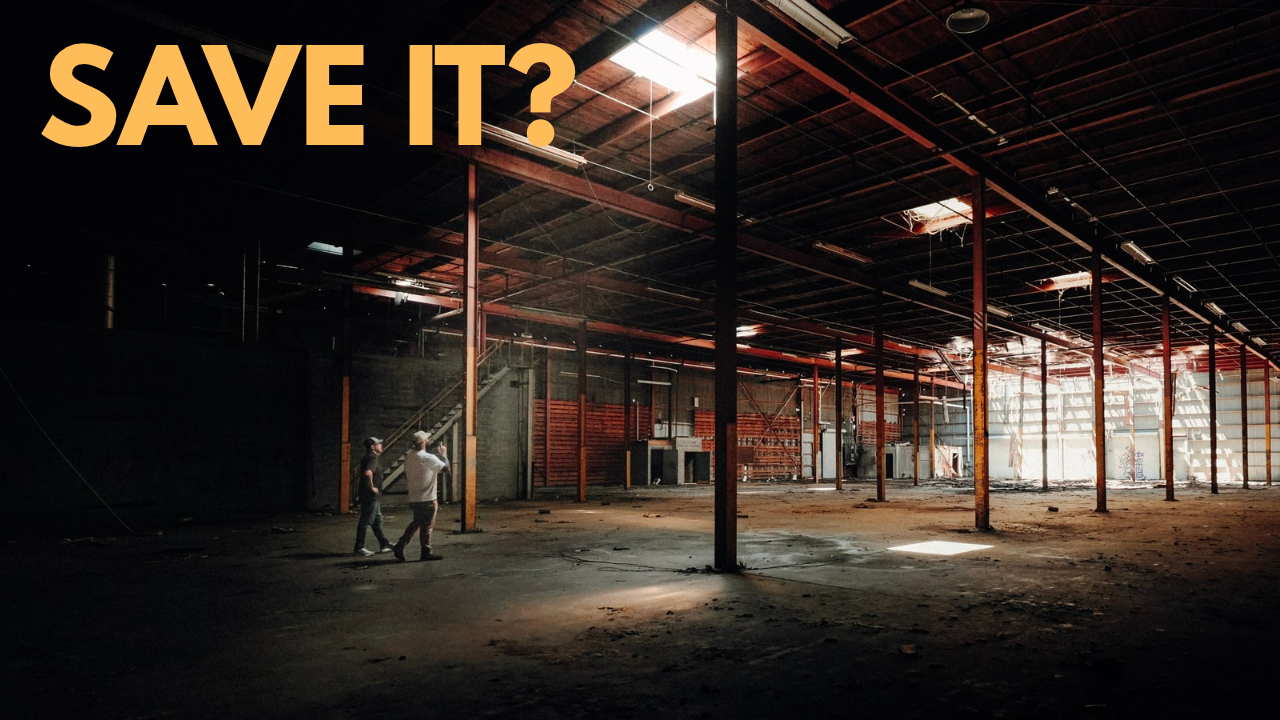
Four years ago we bought Peerless Mill in Chattanooga: 32 acres, 29 buildings and about 1.5 million square feet. The plan was always to keep every piece of it. In this video I'm walking Building 21 because I'm selling it.
Would you buy a $400,000 commercial building if the bank told you to bring an extra $27,378 to closing? That’s exactly what happened in this example. In today’s Office Hours, I’m breaking down how to underwrite a commercial real estate deal from start to finish using a 4,000-square-foot retail strip center. We’re going beyond the asking price and advertised cap rate to look at the numbers that actually determine whether a deal works.
In this week's Office Hours, I'm walking you through my entire underwriting process using a real value-add industrial property in Denver, Colorado.
Starting with a $650,000 listing, I'll show you how I evaluate a property's potential, estimate renovation costs, research market rents, structure financing, and stress-test returns.
Using our CRE Central Pro Deal Analyzer, I'll break down how small changes in purchase price, rental income, financing terms, and exit assumptions can completely change whether a deal is worth pursuing.
What’s worth more: $200,000 off the purchase price—or 12 months of interest-only payments?
Most investors focus on negotiating the price. But loan terms can change a deal’s cash flow just as dramatically. On the same $2 million building, the right financing can make a big difference:
• Interest-only — How much more cash could stay in your pocket during year one?
• Amortization — How could a longer schedule improve cash flow and borrowing power?
• Recourse — What might you negotiate to limit your personal risk?
In my example, a $200,000 price reduction adds about $12,000 in annual cash flow. Twelve months of interest-only payments adds roughly $31,000 in year-one cash—and more than doubles the cash-on-cash return, from 3.6% to 7.7%.
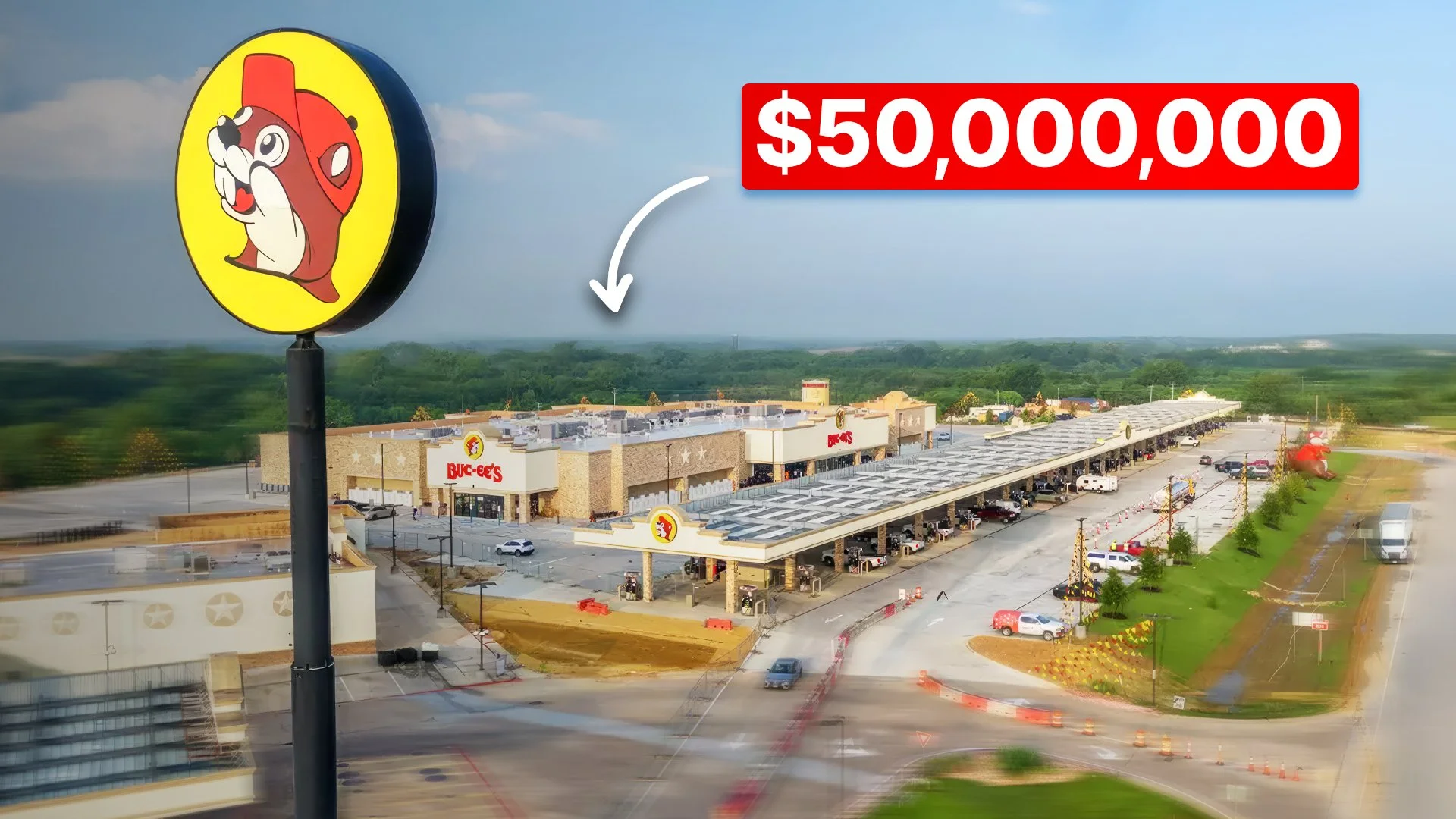
Buc-ee's spends around $50 million per store, then sells gas at almost no margin. In this video, I break down the real business model: the 75,000 sq ft retail machine running ~40% margins, why they own 30+ acres at every interchange and refuse to franchise, and the “Anchor Flywheel” that re-prices all the land around them. Plus the one move regular investors can copy: the 18-to-24-month window between a Buc-ee's announcement and opening day.
What do you pay for a building that’s 40% empty? Pricing a fully leased building is relatively straightforward. But when a big portion of the property is vacant, you’re trying to price three things at once:
• Buildout — What will it cost to get the space tenant-ready?
• Carry — How much will debt service, taxes, and insurance cost while it sits empty?
• Leasing commissions — What will you owe when you finally sign a tenant?
Most investors account for the buildout.
Far fewer properly account for the carry—and that can easily become the biggest cost.
In this live underwriting session, I’m taking a property with significant vacancy and running it two ways: the stabilized version and the version that accounts for the real cost and timeline of getting there.
Then we’ll compare the numbers and see how that should impact what you’re actually willing to pay. If you own a building with vacancy—or you’re considering buying one—this is an underwrite you need to know how to do.
In this episode, Tyler breaks down why commercial real estate listings that have been sitting on the market for a year or longer can sometimes create overlooked opportunities. Using real listings, he shows how to diagnose why a property isn’t selling, separate fixable problems from true deal killers, and use days on market, seller basis, financing, comps, and carrying costs to strengthen your negotiations.
About Your Host:
Tyler Cauble, Founder & President of The Cauble Group, is a commercial real estate broker and investor based in East Nashville. He’s the best selling author of Open for Business: The Insider’s Guide to Leasing Commercial Real Estate and has focused his career on serving commercial real estate investors as a board member for the Real Estate Investors of Nashville.


I brought 20 architecture students from the University of Tennessee at Chattanooga to Peerless Mill, a 1.5 million square foot historic mill campus in Rossville, Georgia that we're bringing back to life. They walked the buildings for the first time and pitched what this place could become. If a good idea comes out of this design charrette, there's a real chance we build it. This is Part 1.