5 Retail Lease Expenses [That Every Retailer Should Know Before Leasing]
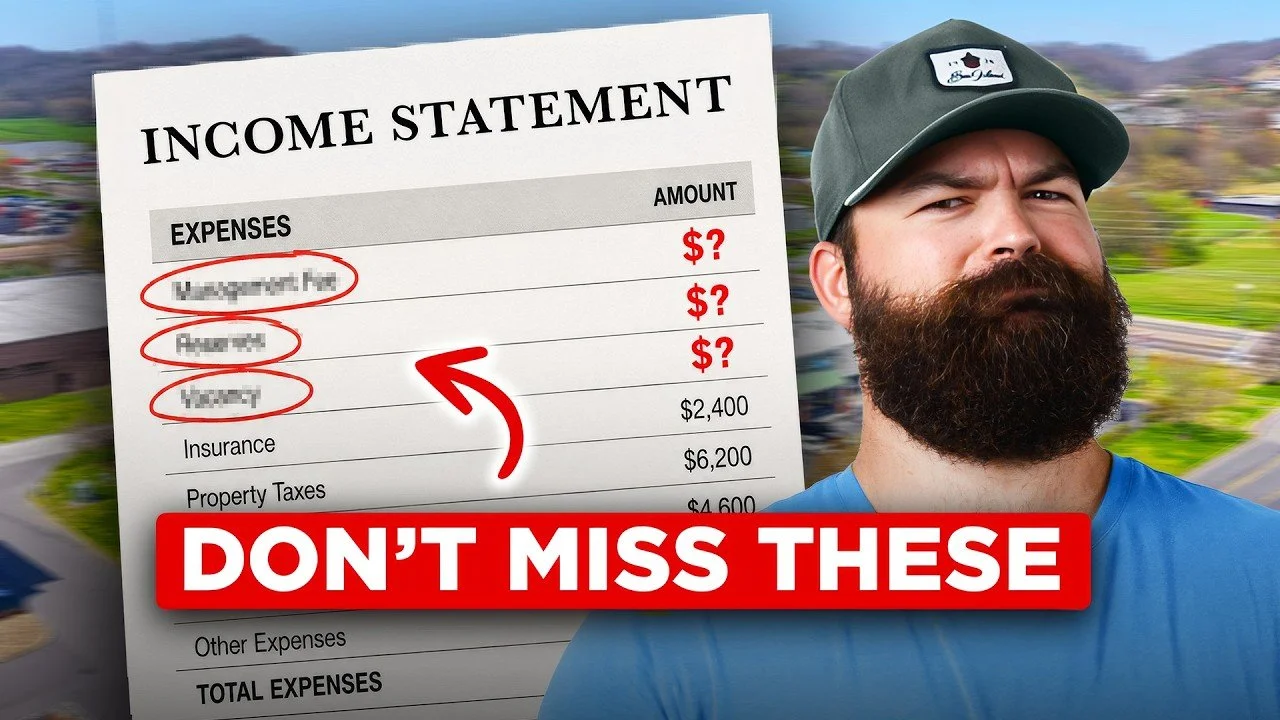
Retail real estate is considered to be any brick-and-mortar storefront used by businesses to sell their goods and/or services to individual consumers for their own personal use. This category encapsulates every business from a small boutique clothier to a large high-end restaurant and everything in between. When beginning your search for retail space, rent is not the only cost you should be considering. While certainly an important number, there are several other expenses you will need to factor into your budget to ensure the long-term success of your retail business. At the forefront of your search, understanding what kind of retail space your budget allows for is just as important as understanding different kinds of lease structures or what kind of areas you should be targeting. Here are the expenses involved in leasing retail space.
In February 2019, I wired $575,000 to a title company and closed on my first commercial property. A former community bank in a Nashville suburb that two different buyers had already walked away from. For the next year, I questioned whether I'd just made the biggest mistake of my life.
Most investors hear "1031 exchange" and immediately think the same thing:
Avoid capital gains taxes.
And while that's true, it's also why so many investors use the strategy incorrectly.
A 1031 exchange is one of the most powerful wealth-building tools in real estate, but it should be part of a long-term portfolio strategy, not a last-minute reaction when you're getting ready to sell a property.
Before most investors ever make an offer, they convince themselves there are no deals left.
The market is too competitive.
Prices are too high.
Everything worth buying is already gone.
So in this Office Hours session, I decided to test that theory.
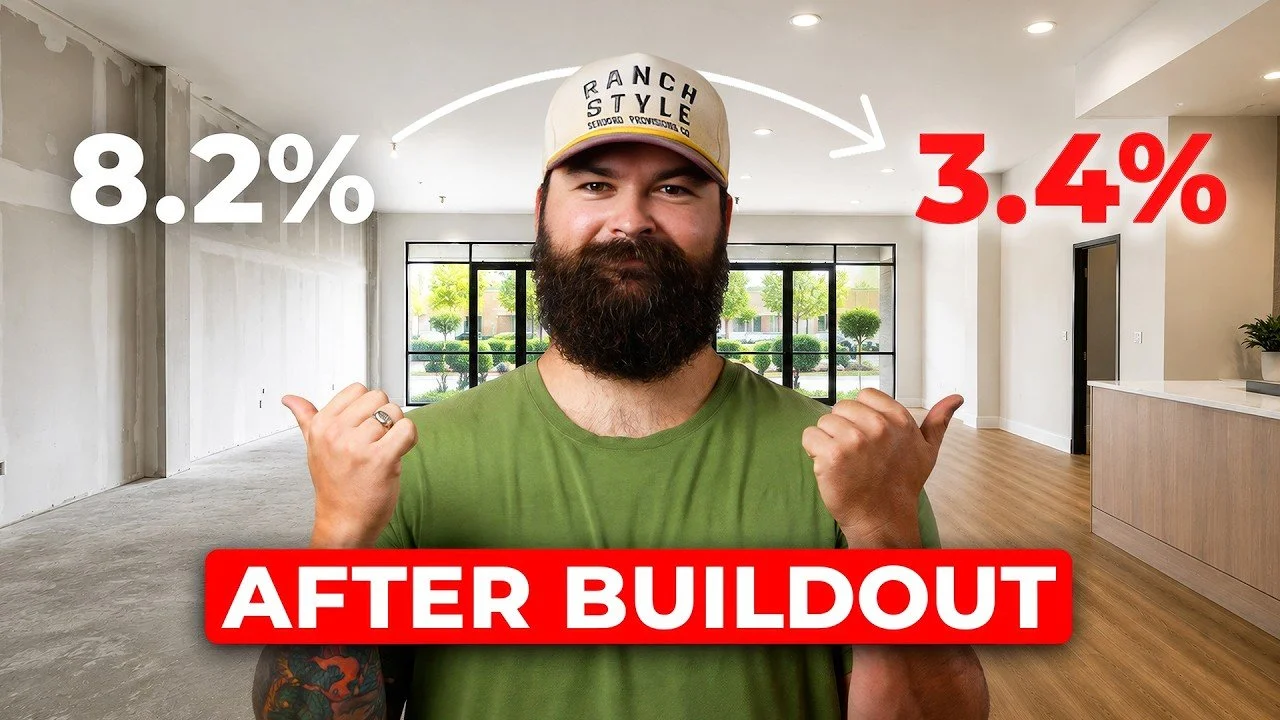
Ray Smith built a portfolio of 100 single-family rentals paying him 35% a year. He's a year and a half into a three-year plan to sell every single one.
This conversation is the most honest take I've heard on what it actually costs a residential investor to make the jump into commercial.
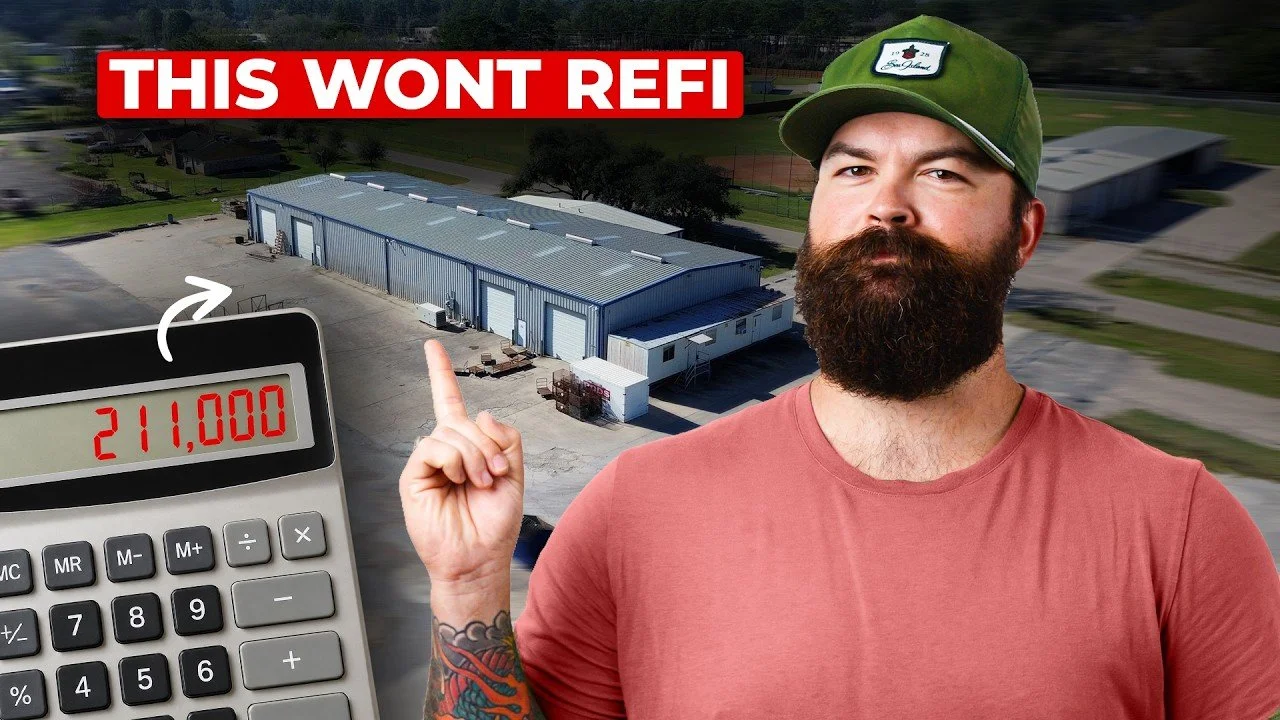
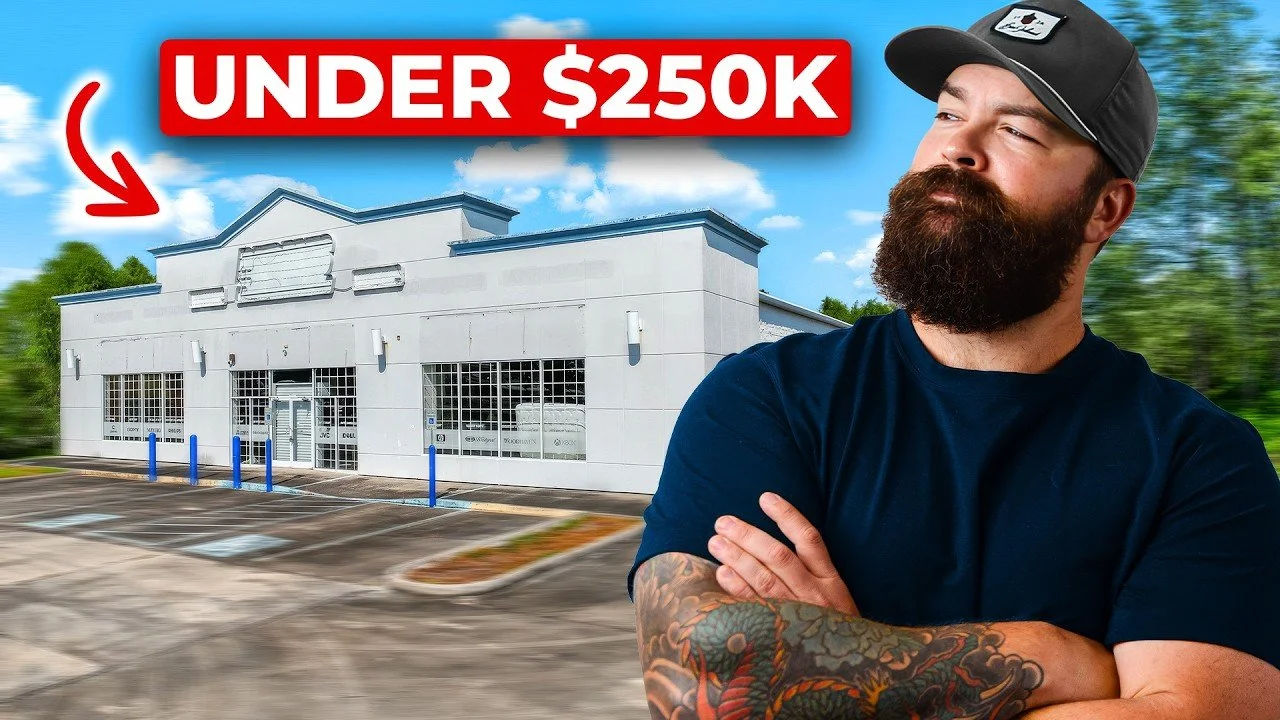
Chris Thorndike bought a rundown $400K warehouse in Gainesville, Florida and converted it into six micro retail suites. Over 120 people applied to rent the six spaces. It has not had a single vacancy in two and a half years. Most investors would have moved on and gone hunting for the next deal. Chris almost did too. Then he looked a little closer at what he already owned.
Most high earners don’t have an income problem.
They have a tax problem.
And commercial real estate investors play by a completely different set of rules.
In this week’s Office Hours, I break down one of the most powerful tax strategies in real estate: cost segregation. Not the surface-level version people throw around online, but how it actually works in practice and why investors use it to create massive first-year tax savings.
If you've been waiting for the right time to buy commercial real estate, this is it - join the CRE Accelerator Mastermind and I'll help you make it happen: https://accelerator.crecentral.com/OO I'm Selling Everything: https://www.youtube.com/watch?v=YJx58bOo5g0 Graham Stephan just made the case for commercial real estate and I don't think he realized he did it. In his recent video "I'm Selling Everything," Graham walked through exactly why he's exiting his entire LA rental portfolio: 4-5% cash flow on equity, the $400 permit fee to replace a $500 fence, the constant "background noise" of being a residential landlord, and a California regulatory environment that's actively pushing capital out of housing.
Most investors focus on making more money. Sophisticated real estate investors focus on keeping more of it.
In this episode, we break down the tax strategies commercial real estate investors use to build long-term wealth while legally minimizing taxes. From depreciation and cost segregation to 1031 exchanges and refinancing strategies, this conversation covers the exact framework many high-net-worth investors use to compound their portfolios faster.
Michael Russell built a portfolio of luxury Airbnbs in Maui and then regulation shut the door on scaling any further. So he did what most investors wouldn’t: he bought a hostel in the middle of COVID, when occupancy was zero and everyone thought he was crazy.
The going rate to build 43,000 square feet of flex space from the ground up right now is somewhere between $6 and $8 million. I'm doing it for around $2 million and in this week's Office Hours, I'm showing you exactly how.
The answer isn't a secret or a shortcut. It's a structure called the master lease and it's the most powerful tool in commercial real estate that almost nobody teaches.
About Your Host:
Tyler Cauble, Founder & President of The Cauble Group, is a commercial real estate broker and investor based in East Nashville. He’s the best selling author of Open for Business: The Insider’s Guide to Leasing Commercial Real Estate and has focused his career on serving commercial real estate investors as a board member for the Real Estate Investors of Nashville.

![098. 5 Retail Lease Expenses [That Every Retailer Should Know Before Leasing]](https://images.squarespace-cdn.com/content/v1/5c115fec9d5abbba78a23c93/1626966832916-AAND1LAQNB49RUP60GJ2/jason-dent-w3eFhqXjkZE-unsplash.jpg)