
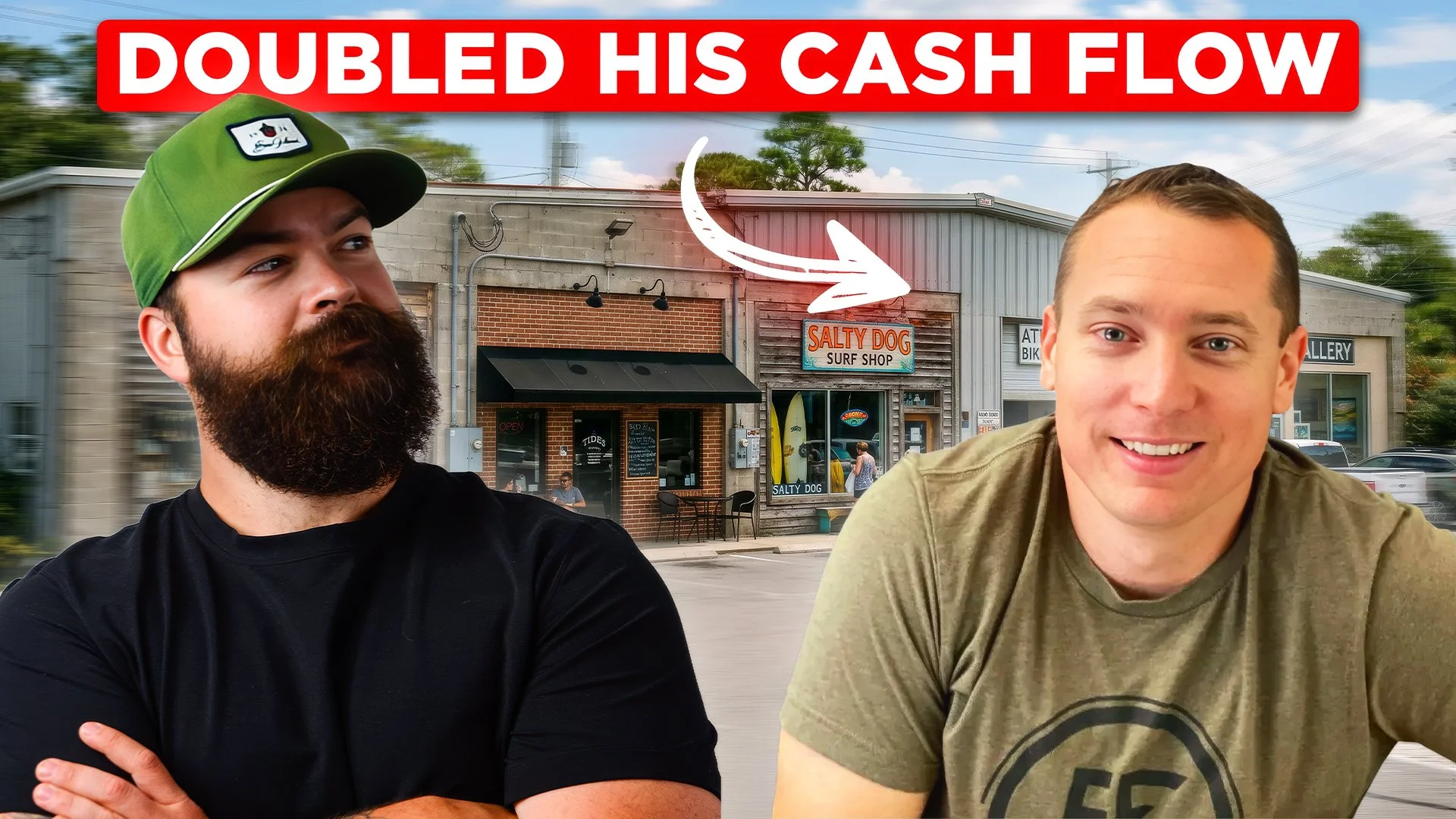
He Doubled His Cash Flow Without Buying a Single New Property
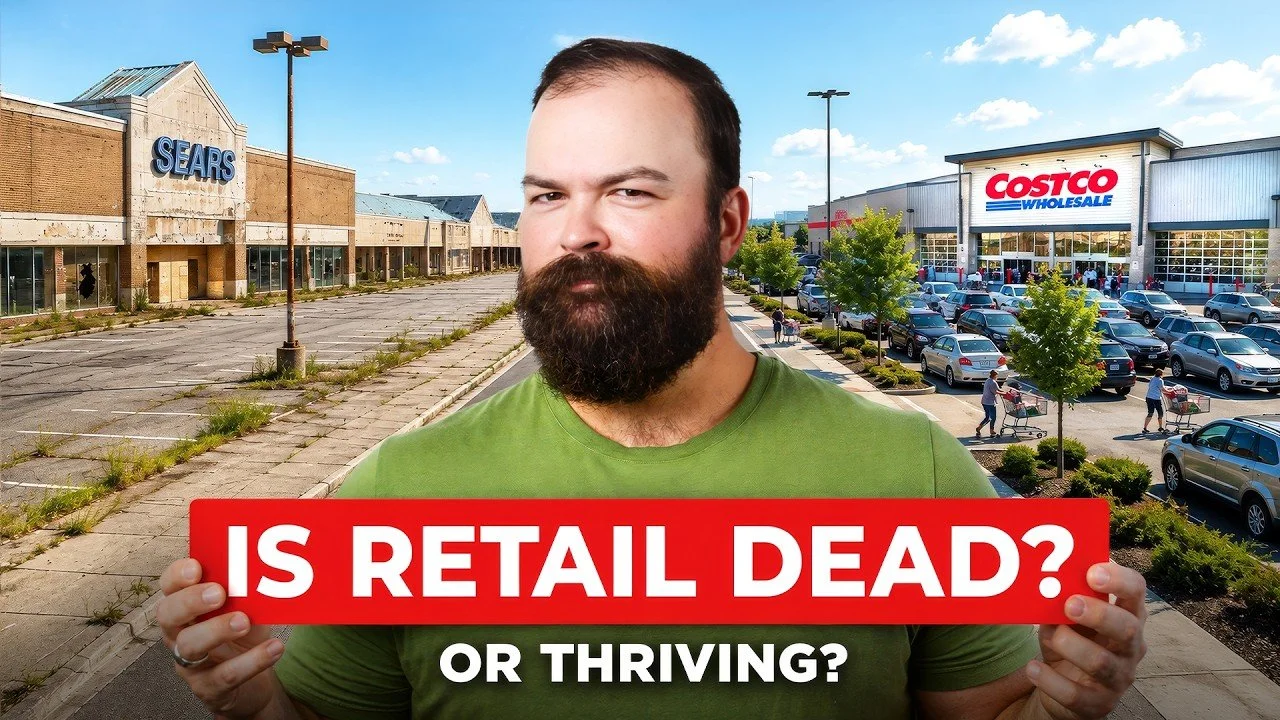
Chris Thorndike bought a rundown $400K warehouse in Gainesville, Florida and converted it into six micro retail suites. Over 120 people applied to rent the six spaces. It has not had a single vacancy in two and a half years.
Most investors would have moved on and gone hunting for the next deal. Chris almost did too.
Then he looked a little closer at what he already owned.
A 1,500 square foot warehouse sitting right next to his micro suites. One tenant. Underperforming. And the perfect candidate for the exact same playbook he had already proven worked.
Instead of taking on a new property, new debt, and new construction risk, Chris is adding four more tenants to a building he already knows inside and out. The result: cash flow jumping to over $100K a year. No new down payment. No new bank. A fraction of the cost and timeline of buying something new.
Sometimes the best deal you can find is already sitting in your portfolio.
Get commercial real estate coaching, courses, and community to jumpstart your investment journey over at CRE Central: www.crecentral.com
Key Takeaways:
You don’t always need a new deal
Chris realized he could get ~80% of the cash-flow upside of a new acquisition by further improving an existing property, with less time, less capital, and less risk.
Micro-suites = outsized value from small spaces
Converting an old car wash/warehouse into 6 micro suites created strong demand (120+ inquiries) and stable, high NOI with no vacancies for ~2.5 years.
Phase 2: More tenants, more stability
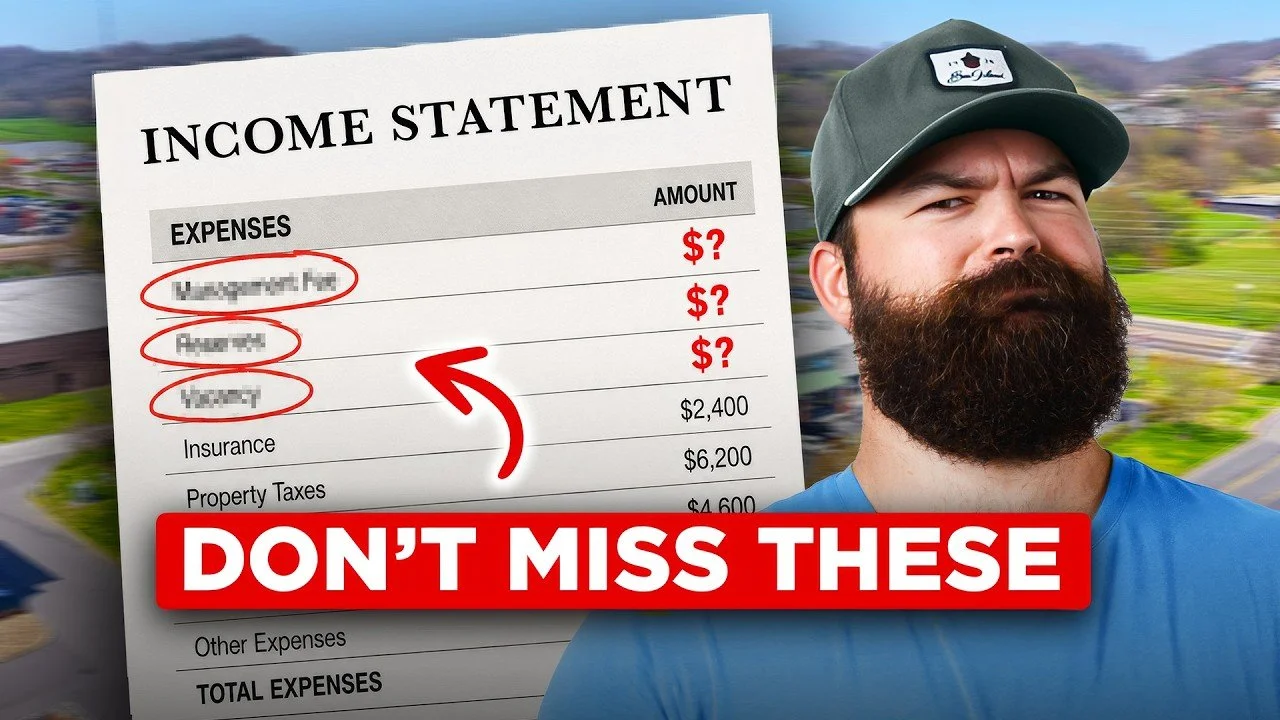
Reworking an extra 1,500 SF bay from 1 tenant into 4 micro units bumps NOI from ~$76k to ~$102–103k, while reducing lease-up risk via more, smaller tenants.
Leverage LOIs + equity creatively
Plan: gather LOIs for new suites → use them to secure a line of credit → fund renovation → then use new equity to springboard into the next deal.
Purpose-driven investing plays well with the market
Focus on “making space for small business” (micro spaces / small-bay flex) aligns with current demand and supports local operators squeezed by rising rents and costs.

About Your Host:
Tyler Cauble, Founder & President of The Cauble Group, is a commercial real estate broker and investor based in East Nashville. He’s the best selling author of Open for Business: The Insider’s Guide to Leasing Commercial Real Estate and has focused his career on serving commercial real estate investors.
Episode Transcript:
Speaker 1 0:00
Speaker 1 0:00
This
Tyler Cauble 0:05
episode of the commercial real estate investor podcast is brought to you by my cre accelerator mastermind, where you'll get access to my step by step investment blueprint, essentially a library of resources on how to invest in commercial real estate. You'll get connected to a supportive community of other commercial real estate investors that are doing projects just like you. You'll get personalized coaching and feedback from me every step of the way. Go to www.crecentral.com to learn more. Today, we are sitting down with Chris Thorndike. He is one of the members of the CRE accelerator, and you guys may find him familiar from a video that we did, I guess, last year, maybe the year before, diving into a really cool project that he did down in Gainesville, Florida, where he lives, where he converted an old car wash into micro retail suites and but after it was a car wash, it was a warehouse space ended up being owner occupied for a bit. It was single tenant, and he took it from single tenant to six tenants and made it cash flow great. And there's a little bit of a twist to the story, because earlier this year, Chris and I were working on his next project together, and that has kind of changed a little bit, which we'll be diving into today. He'll be sharing what he's working on now. So Chris, excited to be having this conversation with you. Man, excited to be diving into this deal. That's a brief background on kind of where we are, but tell us a little bit more about yourself and how you got into
Speaker 1 1:27
commercial
Speaker 2 1:28
real estate. Yeah, awesome. Well, thanks for doing this again. I love it. So, yeah, I started off, like many investors, you know, saving for retirement. You know, I was running my business. I was in the gym industry at the time, and I needed to put away money for my future and make it feel like I'm actually, you know, planning. And that's that's how I got my start. I bought the building I was leasing, and that was my first entry. So 5000 square foot commercial real estate property. The pandemic hit, and they shut my business down, and I needed a way to continue to generate income, and I had additional square footage that I was using to run other businesses out of that. And one by one, I shut them down because they were also, you know, extensions of my fitness business. And I realized, Hey, I could do really well with this, and I don't have to put as much time and energy and effort into it, and I get to collect a steady check. So that was the aha moment for me. I kind of like fell into being a landlord, but I was fortunate enough to, you know, see the writing on the wall to buy the building. That was step one. And then, you know, shortly after that, I realized, hey, there's a lot of potential here to continue to grow cash flow, and, you know, continue invest in my future, and that's really where the deal and you and I begin.
Tyler Cauble 2:46
So you have a bit of a unique background as an investor compared to most of the other members of the mastermind, because you actually studied commercial real estate a little bit in college. Was that? I mean, Was that intentional? Was it like a hey, I'm just going to study this because it sounds interesting. Did you always want to get into commercial real estate, like talk to like, talk to us a little
Speaker 1 3:04
bit about
Speaker 2 3:04
that? Yeah, I've been obsessed with business, you know, and that kind of led me down the path of, you know, going to school for, you know, business management, and I did a minor in real estate. It was actually a new program. I had a mentor growing up that was always like, you know, pushing me in that direction, and I'm grateful for that. So it was always on my mind, you could say, and being encouraged. But the challenge, like many people, is saving enough for, say, a down payment or feeling ready to take that leap. And you know, I remember calling him one day mentor. You know, he has since passed, but he was always in my corner, you know, being like, I just remember him, buy the building, buy the building. You got to get that building. And it was just like, just like this, steady, no matter what it was, he didn't even care about the price. It was just interesting. It was just that confident that commercial real estate was, you know, a viable investment and worth it. And so I'm grateful for that. I got in at a great time, but the program itself taught me kind of the, you know, the fundamentals. I got a chance to speak the language and understand it. But, you know, truthfully, Tyler, I just couldn't wrap my head around the reality of it. It's one thing, studying it and reading it in a book, and then it's another, applying it and, you know, feeling confident. So I think it was the combination of having someone that was encouraging and saw the wealth that it can create over a lifetime, and then me, you know, getting in there and kind of trying to learn and experience it, you know, in a school setting. But it really wasn't until that moment hit where I realized I can do well in this it took the pandemic, and then also it took meeting you to kind of guide me through those steps. So if anyone's out there, you know, wondering, how do I get in? I don't think there's ever a moment where I felt ready. It was just I had to surround myself with the right people. And I'm thankful, you know, I had that around me.
Tyler Cauble 4:55
Yeah, it's, it's kind of like having kids. Like, is there ever really a perfect moment? You. You kind of just figure it out as you go, right? It's so great having a mentor like that. I mean, I've had so many over the years that have pushed me to do things that I didn't feel comfortable with, you know. I mean, I don't know that we'd be here today if I hadn't met one of my mentors at a commercial real estate mastermind down in Austin, Texas, back in 2017 you know, he pushed me into doing syndications, you know, made me feel confident enough in my knowledge to be able to go and really do that. And also, for you as a business owner, I mean, the fitness industry took a massive hit in 2020 Right? Like, I mean, you can't, you can move online, but are people really going to move online? And also, if you're doing, you know, Olympic weightlifting and stuff like that. I mean, people aren't just going to magically have barbells appear in their house, so you can't really replicate that. I mean, what he pushed you to do helped you control the destiny of your business and your future.
Speaker 2 5:52
Yeah, it was a really fast pivot, too. I mean, I was at the tail end of my career. You could say where I was, you know, ready to experience something else and beyond it. But it was that moment where I saw the opportunity, and I kid you not, I had this thing turned around within a month. But it just shows you that not only can you transform cash flow quickly, you can reposition yourself through who's looking for spaces. So commercial real estate, especially, you know, this asset of warehouse is very versatile. So I'm, I'm grateful, man, that everything came together, right? That it took going through school, it took having the mentor, it took watching your videos to then say, I've got an idea. And then I think it took the pandemic to be like, I can put it all together
Speaker 1 6:40
now,
Tyler Cauble 6:40
yeah, that's right. Like, I've got the time. Might as well start, start working on it now. So okay, so this, this building is two buildings down from the first building you built or bought, which is always super convenient, right? I mean, I'm a big fan of being a lazy investor. You can go check on two properties at once, talk to us about, like, first of all, are you able to share, maybe some before pictures of what it looked like and kind of walk us through, like, what your initial vision was when you first started looking at
Speaker 1 7:08
this
Speaker 2 7:08
property? Yeah, let's do it. So let me, because I'd be curious
Tyler Cauble 7:12
to see it. I mean, if you've seen the video, it's the, it's converting, you know, car wash into micro retail, beautiful building, right? It's absolutely beautiful. I think the befores might surprise you a little bit.
Speaker 2 7:25
Yeah, so let's go back and I'll just kind of highlight when I got into it. So let's see. All right. So yeah, like you said, two doors down I drove by for 15 years and looked at this, I was like, you know, I really wish someone would clean this up. This is kind of like an eyesore of the neighborhood, overground trees. So it had so much potential being on a corner lot, and when the conversation, or, you know, came up, I was on a walk with my daughter, you know, I've shared the story, but if you haven't heard it, the owner was coming out the front door, getting in his truck, and he saw me. He's, you know, struck up a conversation, and he's like, Yeah, I'm ready to retire soon. And I go, Well, would you ever consider selling the build? And he's like, Yeah, I would. And I go, how much would you, would you want for it? And that was the day, like, give him 30 seconds. He's like, you know, 400,000 I
Speaker 1 8:29
was
Speaker 2 8:30
like, I'll give you 400 and I came back. That was a Friday. I came back on Monday with, you know, a purchase, sale agreement. And that's, that's where it started. So it was, it wasn't even you could say I was looking for it. I the opportunity arose, and everything kind of fell together from there, and that was the beginning.
Tyler Cauble 8:48
Yeah, that's pretty
Speaker 2 8:49
wild. So fast forward, right? And the main window. He was a window installer, so his office was here. He had little garage doors here to get the trucks and the material out. This was, you know, on the right hand side, just a storage warehouse, so no no running water in there. Just had electric. There was, you know, honestly, it was filled to the brim of just junk. So it wasn't rentable. It was labeled storage. But, you know, when we first dug into this, Tyler, and for those of you guys, I met Tyler through watching his wash videos. I saw, I think first your blog was the thing that you posted first on the wash and it wasn't until I opened up, you know, the property, you guys can see some, some behind the scenes here, of how bad it was that I realized it was a window company or window washing company. Was actually a sign on the inside of this wall here. And that's, that's how I found your project. So I started looking if anyone had converted these into smaller units. Office, but that was kind of the start of our interest in saying, Hey, I think there's a need for micro spaces. I think we could make these work for small service, professional businesses, that if each one had their own bathroom, I think I got a layout here that it would work really well. You know, they wouldn't have to share with people. It's a luxury to find space this size for affordable rate. And that's, that's where it began. I would say in conclusion, it took about six months after I finished construction to be fully leased. I was 50% leased before we started, you know, the lease up, or the final occupancy. But then ever since then, I have not had a vacancy, and I guess it's been about two and a half years now.
Tyler Cauble 10:54
So what was your, what was your initial plan with it? I mean, $400,000 right off the bat, he tells you, hey, this is what I this is what I want you say, Cool, I'll pay for it. What was going through your mind as to what you're going to
Speaker 1 11:05
do with the
Speaker 2 11:06
property originally, I was thinking, you know, I'll divide it into three spaces. And, you know, because I was coming from from the warehouse down, you know, couple doors down, and I had three units, and that was going well. So I was like, oh, I'll just duplicate it. And when I ran the numbers, I wasn't really excited, you know? I was like, kind of thinking, I want to be a little more competitive with what I was making. If I was going to do all the work to renovate it, can I make at least what I was earning at the other building, if not more? So that's really the start of running the numbers and saying, This isn't really great. So I started looking for other ideas, and that's when I came across your micro suite option. And, you know, I reached out to you and said, Hey, do you think this is possible? What can we do? And, you know, after that conversation, I completely was sold. You know, you know, you tell the story sometimes, I think it was a 30 minute conversation, and it just completely transformed from two to three units to six units. And I was like, whoa, this thing's gonna explode with an investment value, you know, not just total value, but cash flow, was really what I was after. And it absolutely delivered.
Tyler Cauble 12:20
Yeah, yeah. That's that was, you know, I'll never forget those conversations. I think you and I literally had like, two phone calls talking about this deal. And that was that, I mean, you were off to the races, which was really cool. So you were initially going for two to three tenants, what? What didn't work with that. Because, I, like, if I, if I remember correctly, I think, I think it was only going to cash flow, like, what, 10 or 12 grand
Speaker 2 12:43
a year. Yeah, it was $400,000
Tyler Cauble 12:44
investment plus renovations, right?
Speaker 1 12:47
Well,
Speaker 2 12:47
originally I was gonna spend like 200 and, you know, I think I got into the understanding of, how does commercial real estate underwriting work after going through, you know, like many of your students, like countless videos, and I was like, Maybe I'm not at the full potential of this building. Maybe I'm. I'm really not looking at this as a true value add. And when you don't have a lot of reps, you know, I was, I remodeled my warehouse, you know, a number of times, but it wasn't, it was based on the business excelling inside that space, not based on optimizing it for more cash flow from more businesses. And that was a completely different lens. So I think that's really the, you know, the catalyst to say, if I'm only looking at things this way, and I think that's maxed out, What would someone with experience, What would someone who's done this number of times, say, and that's, I think, the aha moment I had was, holy crap. I did not realize I could take such a small space and add so much value and return. You talk about this all the time. It's like I was going to have to go through the renovation process anyways. So you know, whether I do a, you know, slightly more intricate and complex one and spend a little bit more money. I was going to have to do it anyway. So I think I recognize that if I just pause and get a better plan together, it could completely change my life for the long term. So that's that's really phase one of this we'll call it. Was saying, Hey, I'm happy with the deal, right? Of saying it really turned out better than I planned. And so there's nothing wrong with that plan, but this is the exciting part of saying, yeah, yeah, we're back here for a specific reason to talk about something that, again, maybe it was that aha moment of, did I really get all the value out of it the first time around? So yeah, that's why I'm excited to have this call and share, you know, how investment value can really grow through a different look?
Tyler Cauble 14:47
Yeah. I mean, that's like when you take the emotion out of it and you look at the numbers, which you've gotten so good at, right? I mean, you're one of the best in the group in terms of underwriting you, it really helps. Helps you make an incredibly informed decision. I think that's the beauty of having underwriting. Like, yeah, you can have a gut feeling, but a lot of the times, like, what we see in the group is that gut feeling is wrong once we actually start applying real numbers to looking at these deals. And so, you know, long story short, on this one, Chris got it stabilized. You guys should go watch the video. By the way, if you haven't seen it, it's pretty well it, it's pretty wild. He put a QR code on a sign up in front of the property. It had, what, over 30 or 40 people apply to be a tenant at this property with only six spaces.
Speaker 2 15:33
Oh, I had over 120 Yeah,
Tyler Cauble 15:36
okay, well, that's still over 30. So over 120 but come on, who has, who has that happen to that? But it was a brilliant way of doing it, like he basically just put the marketing side up front with a QR code to scan it and learn more, and let everybody go through and, you know, apply, and basically self filter based on, on, you know, how he had laid everything out. He's had it stabilized. It's, it's giving him great cash flow. And fast forward to, you know, this was probably six months ago, give or take, there's a deal that pops up down the street that we start underwriting. And so talk to us about that deal that you started looking at the other warehouse.
Speaker 2 16:18
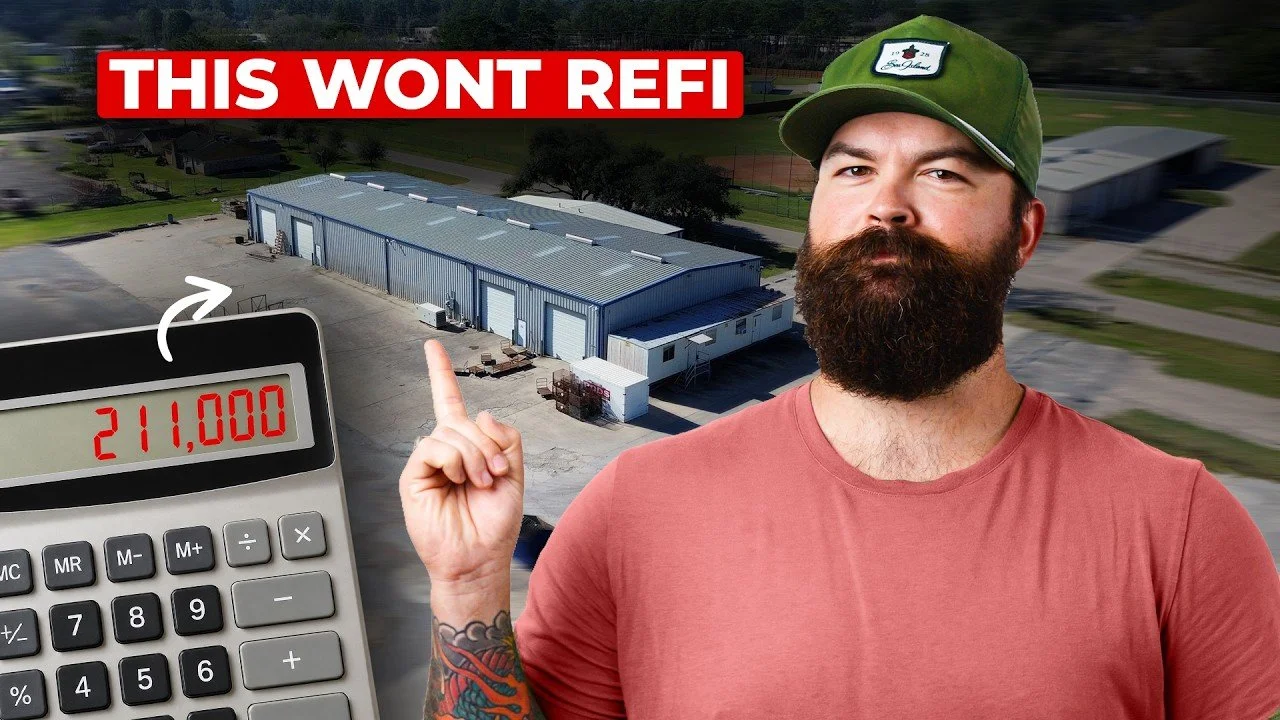
Yeah. So I was looking for the next deal, right? So, you know, like, like we do in in the accelerator mastermind, we're on the hunt for the next deal. And that's where I my head space was. So I was stay into my Buy Box and my radius, and I want to say that again, I found a property. I was excited to kind of replicate what we did, but they're just, I'm still fine tune the underwriting. I'm not that excited. I gotta, you know, really look at it. And I remember very specifically you and Larry, another member in the group we were talking about value add, and saying, is it better, or do you prefer taking the building. When you have the opportunity to renovate it to its highest and best use, spend all the money that you can to get it there or leave a little meat on the bone for the next investor. And it was just this different angle of having this conversation. I remember specifically saying to you, you know, I was like, well, wouldn't you say that I completely renovated it to its full potential? And, you know, look at what we did with that property. And, you know, Tyler pulls up Google Maps. We zoom into the Street View, and then right, like I still remember this, like you didn't look at the work that we did. He pans to the, you know, the the warehouse building. Said, Well, what about this? And I'm like, as soon as you said that, I was like, dang it. How did I not see that? So to to this conversation, there was a fifth, roughly a 1500 square foot warehouse that housed one tenant. But if we applied a similar model, there could be the potential of going from originally one tenant to six tenants to now putting four more in to making this property a 10 tenant, you know, professional service mall, or, you know, strip center,
Tyler Cauble 18:06
yeah, which is, which is really cool, because, I mean, if you think about it like your your your lease up risk is pretty high when you have one tenant that occupies over a third of your property, right? And if that tenant vacates, and it's tough to release that 1500 square feet, not that it probably would, right? I mean, that's a great size, but you just start thinking about that, it's like, okay, if I all of a sudden have 30 or 40% vacancy on this property, like, I'm having to put some money into it every month. And so we're like, Well, you've got five tenants occupying almost the same amount of square footage over here. What if we just did the exact same thing here. So do you want to pull that up and share it and start showing us what
Speaker 2 18:46
you're kind of working on now? Yep, so let me do this here. I'll give you guys the full before and after, and then I'll pan it over to what I'm working on next. So Tyler, the I think the aha moment too, was just the clarity that the model was proven. And there when I really latched on this idea. It's like, Where can I go and spend the money to renovate a building versus the money it would take for, say, down payment, plus renovations for a new one. So I remember, when we had this conversation, I underwrote it the same night, and I remember sending you a text. I'm like, this is a no brainer. So here's where we were able to get to, you know, the bottom left, bottom right. And then we're talking about that, you know, bottom right warehouse now. So I'm going to show you where the vision is,
Tyler Cauble 19:44
yeah. And the nice thing about this warehouse, by the way, if you're if you're listening on the podcast and you can't see it, it already has three garage doors and a regular walk in door. So very easy to just go, oh well, we just need to add bathrooms. And walls,
Speaker 2 20:01
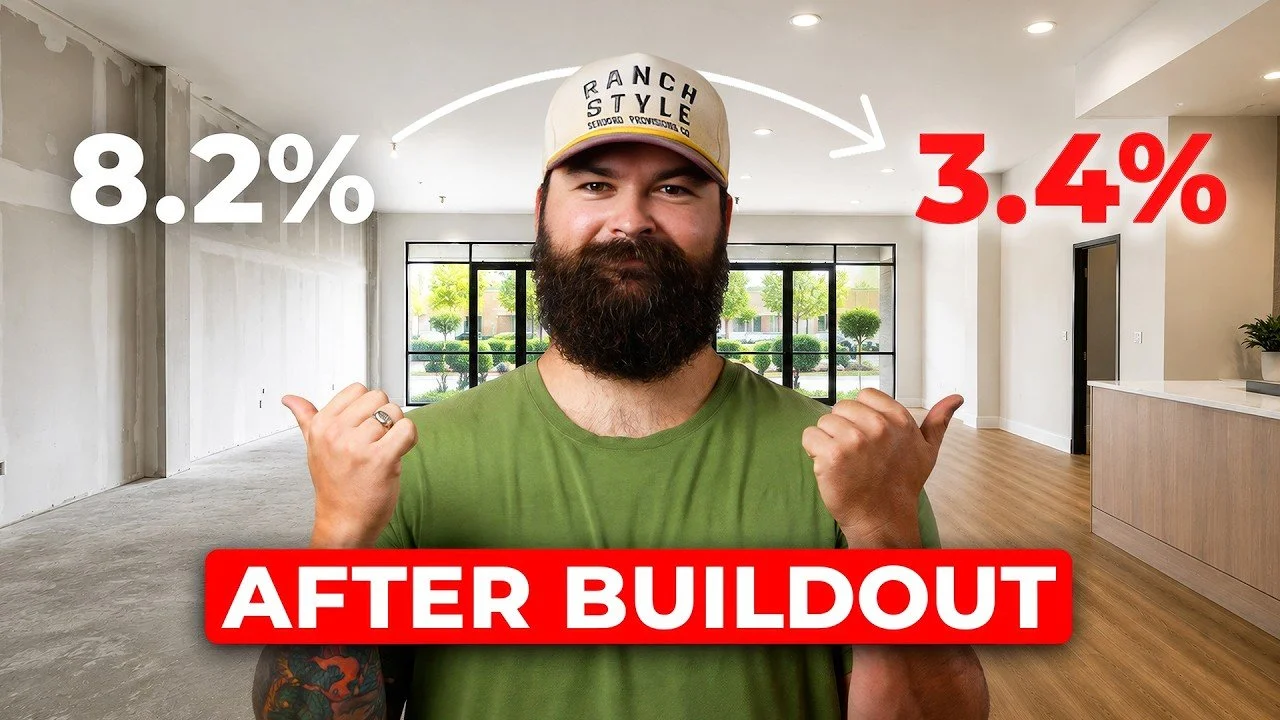
yeah, so it kind of lends itself to that. So I got to work, you could say, on, you know, thinking through a layout and how to, you know, replicate what was across the parking lot. And then, you know, the power of AI took a image of the warehouse and said, Hey, let's replicate what's across. And you know, the visual component of saying, hey, you know what? I can really see this working in this space. But that is the you know idea to number crunching and underwriting, to saying, wow, there's a lot more value for this. And Tyler, the you know, like you said, I'm very much into the number side. But you guys can see, when I first bought it, it really wasn't a rental property. It was a owner operated business property. Then we took it Tyler, you know, in 2022 and it was doing about 37,000 in cash flow. No why. We got to 76,000 and then after, you know, we'll complete renovations. We should see a 26,000 a 30,000 bump in cash flow. And taking that noi up to 102,000 103,000 if not more, from where we're at now,
Tyler Cauble 21:24
that's pretty wild. So you're almost doubling your cash flow. And how much, like, walk us through how much you were planning on spending on a different property, right? Like, how much you were preparing yourself to come out of pocket for the expected returns you were thinking you were going to get there. And then compare it to this. Like, tell us, like, what does this look like?
Speaker 2 21:43
Yeah. So, you know, just use the example. I was looking at a property down the street. It was a pretty heavy value add, not unlike what I was doing, you know, with the micro suites before. So this time around, yeah, it's, you know, going to a bank and saying, all right, 30% down, plus you got, you know, say that building was 500,000 I was looking at, there was another 600 to 700,000 in renovation to get it there. And it just again, seemed like a lot of capital, a lot of, you know, time. And when I took that and said, Yes, it was still a good return. But if I look at it from a standpoint of spending a fraction of that money on my own building, I could complete this in, say, six months, and see probably about 80% of that same amount of cash flow. So when I evaluated that to those two components, to have essentially a third of what I needed cash flow wise, and I would say a quarter of the build out time, that's what really solidified it for me. And said I need to take another look at what I already have and see if I'm truly fully maxed out for, you know, the investment value, or the cash flow side. So yeah, and once I run the numbers, I mean, it almost was like, oh yeah, this is what I'm gonna do next. And I would say this is really a two step plan, and why I'm I'm excited about this because, yes, it increases and boosts my cash flow. However, the real play is to say, okay, not only am I going to increase it, say 26 to $30,000 what that's going to do to the overall market value. I now can borrow against this, and that's really why I'm excited, is to go out and say, I can, I can buy a deal and put myself in a much better position where I don't have to borrow so much, or I can get in and do another value add project without so much need of, you know, bank funding and then refinance after stabilization. So it's, it's putting me in a better investment position to move faster for the next deal. And I think that also was a bonus.
Tyler Cauble 23:53
I think that it's, it's incredibly important that we hammer in on that point a little bit more. So what Chris is saying is that he's getting essentially 80% of the cash flow on this renovation that he would have gotten if he had gone and bought another deal. And if he had gone and bought another deal, he would have had to have taken on more debt, more you know, renovation and construction risk, right? Because he's getting into a building that he's never dealt with before, this building. He's already very, very familiar with. He's renovated it once before, and you start looking at the risk adjusted return of having to do that. That's why we were looking at this, going, damn. This is like a no brainer, like, there's so much meat still on this boat. You left meat on the bone for yourself to come back later. And the cool thing is, too, he's got so much equity built up into this property because the value add that he created for this, he's going to be able to tap into that as he's going into this next renovation, so that he's not fully coming out of pocket for every single bit of it. He'll be able. Actually leverage some of that trapped equity, which is really,
Speaker 2 25:03
really cool, and that that play, or that financing strategy, I think I didn't uncover, too until we realized that, you know when, when you go to banks and they look at, you know, Lois, and, you know, I realized that there's lenders out there right now essentially will accept an LOI. So, meaning I can go get renters with the promise of filling these four spaces, and I can go to my bank and say, you know, hey, this is going to be the noi, and they will make me a loan. And in this case, this is going to be a line of credit on this building, which then, you know, works like a credit card, guys, but it's tied to, you know, real estate backed at a much better rate, and then that gives me freedom to gradually spend on my next deal and not pay interest on a full loan as I build out the next deal. So I really look at this as a win win, long term strategy wise, faster path to my cash flow. So I think about anyone else out there who's like me, who has these buildings that maybe are not up to performance, or, you know, you're looking at your space and saying, hey, could this be maximized? I couldn't see it until I saw it. But that's why, you know I'm in the accelerated mastermind and have a good mentor in you. But these are the moments where, when you see them, it's hard to deny that you need to act because when I look at a brand new project versus this, I get so excited about this, because this is a fast timeline, this is a much smaller budget, and it is relatively, like you said, a lot less risk.
Tyler Cauble 26:33
Yeah, it's familiar, right? Like, you already know what you've got to do. You know where all the skeletons are hidden, which, I mean, look when we value add, is one of the best things that you can do in commercial. In commercial real estate. It's one of the best things that you can do to create an outsized impact or return of equity, right? But you never know what you're going to uncover sometimes, when you start tearing those walls back and so like the risk adjusted return. That's why we say like risk adjusted how much risk are you having to take in order to get a return. Because, let's be honest, a 12% cash on cash return in one deal is not equivalent to a 12% cash on cash return in the next it completely depends on what's behind those walls. What kind of tenants and leases do I have in place here? What am I inheriting that I may not know about you have no idea until you really get in there and sometimes start operating the property for a while, right?
Speaker 2 27:24
So, yeah, the I was gonna add just to that, where one of the one of the great things about this project, to your point of knowing the building, is I'm gonna be able to repurpose, you know, the drywall, the ceilings, the flooring that's already in there, and just kind of build upon that. So that adds to the speed, but it also cuts down the cost in the budget. So you could say that I'm over budgeted right now, and I feel very confident coming in much lower, but yeah, that was the lesson learned in doing this the first time and saying, Okay, I know this space, I know these units, I know what I spent. How do I beat that? And I feel much more confident going in saying that, hey, that budget is something I can reasonably stick to. I actually think now I can be competitive with myself and bring it down another 20%
Tyler Cauble 28:11
Yeah. I mean, you learn so much from just that first construction job, right? You're going to get a lot of things wrong. And it's not, it's not even necessarily that anybody else wouldn't have done those things wrong too, right? I mean, that's just, that's the problem with construction. Like, you never know what's going to happen or what you're going to uncover, because you'll, you know, it's like Mike Tyson said, you know, you have a plan until you get hit in the face. It's like, okay, well, we had a plan until we uncovered this, and then now it's like, okay, well, what the hell are we doing now? We've got to add $25,000 to the budget to fix this. You know, just it kind of becomes what it becomes what it becomes when you're doing these renovations. But, you know, it's, you know, it's really cool. I remember one of our earliest conversations, I'd asked you what your goal was, and you're like, 10k a month in passive cash flow. Like, that's, that's my first goal. You know, of course, we'll expand it way beyond that. But that was my, you know, the first goal was, was 10k a month in passive cash flow. And looking at this now, one property that was like, entirely attainable for anybody to buy, right? It's for you got it for 400 grand. And a lot of people think that commercial real estate can be so unattainable, so expensive. I bought a building last year for four 400 grand, you know? And I'm looking at the noi, and I think it's going to bring in about 7500 a month, right? Those deals are out there. They're entirely possible. And you've got one that's going to be bringing you at least half that goal, which is really, really cool to see. So what's, what's, what's next for you, man, I mean, like, what are you excited about? Like, after, after this renovation, we know the renovation is, you know, the immediate next step. Like, what's, what are you looking forward to after
Speaker 1 29:36
that?
Speaker 2 29:37
Well, you hit it on the head. I that what is after this is breaking through that goal of 10k cash flow. So I very much am saying, hey, yeah, you know, hold me to this Tyler, and the next deal after this, we're crushing that goal. And, you know, arriving at a place that I've looked at for many years, trying to say, How did, how do people get to, you know, level of, you know. Uh, cash flow that supports their lifestyle. And it's such just like this freedom goal, right? Um, and not to say that real estate doesn't have work, but it's just a different confidence and comfort level I want to arrive to. So the next deal is looking forward to doing more small unit, small bay properties. I think that's the future of what I see is needed. I look at the landscape, you know, in my city, and I'm like, I can provide a lot of opportunity for people to start businesses, or a lot of opportunity for people that are and as a long term business owner, you know this too, like, you can get too big, or you can realize that you try to grow your team and your business, and you end up in this desert area where your operating costs are. At a point you're like, you know what, I want to shrink down a little bit. And those people will come back and say, you know, I want a smaller space. I can do more with less. So I'm in that sweet spot. You could say, whether you're starting a business or you're consolidating and coming down to save money. That's where micro spaces to me lives, and why I think I can be such a an asset to my local community in helping people start business or run a better lifestyle business. So that's what I'm focused on.
Tyler Cauble 31:07
Yeah. I mean, here in East Nashville, just yesterday, you know, a local favorite restaurant announced that they're gonna be closing because Nashville has become too expensive for them to operate in. And, you know, look, there's always the argument of, okay, well, run a better restaurant, and I get that, I get that argument. And sometimes that's the case. But we're looking at a market where in the last five years, rent has gone up over 50% in some cases because it's high demand, some cases because they're triple net leases, and our property taxes went up over 30%
Speaker 2 31:40
right?
Tyler Cauble 31:41
And you know, it's, it's tough out there for small businesses. And you know, it's really sad to see that, because I look at that group and I'm like, man, you know, that was a staple in the neighborhood, and unfortunately, there's nothing I can do right now. We don't have a space available to get them into. But by creating more micro spaces like this, by giving more potential for small businesses to have space, you're helping preserve the community. You're helping preserve what makes your neighborhood great, which, you know, it's always a consideration. I think that we as commercial real estate investors should definitely keep in mind as we're going forward and look, the market's going to reward it, right? You're going to win. The small business is going to win, the community is going to win, and everybody's going to want what to see your next project,
Speaker 2 32:29
Chris, there's a heart sweat, kind of like a heart moment that we had in one of our inner circle meetings where, you know, you text me this as we are brainstorming, but you know, the tagline for my leasing company, it's, it's making space for small business, and it really makes it feel more like purpose driven than, Oh, I'm an investor, because investors sometimes that identity. It's like everything about maximizing, you know, ROI, right? Or, but when you make it real, I think that's the creativity side of looking at buildings and say, You know what, I can move this wall or bring this in, and it can make space for businesses that, yes, you can get a premium, but also that might be the exact space size that makes it affordable for that restaurant your local area. Sure, they might have to do things a little different, but I think there's a opportunity Tyler for all of us out there. You know, if people are sitting on the sidelines saying, I don't know how to get in, it's like, I feel like I'm looking at buildings that have potential. But if you don't have a mentor, if you don't have someone to give you ideas, that's what I fell short on. So thank you for posting the wash, because that's really the catalyst. And then look at us now, reshaping, revitalizing our community off, you know idea, you know, it was the pandemic that said, hey, could people use less space? And you know, that was three, four years ago now, and I just read today an article saying, small bay flex, or small bay warehouse, is now in hot pursuit because of the larger warehouses you know, are sitting and vacant. So it just shows that the market changes. You know, are you going to be a part
Speaker 1 34:13
of
Tyler Cauble 34:14
it? Yeah, I love that, Chris. If anybody listening wants to check out what you've got going on, they want to follow. Where can they find you?
Speaker 2 34:22
Yeah, check out mcthoran properties.com. Is our website. You can kind of see what I'm up to in terms of the spaces I'm working on and bringing in, and then also join the accelerator mastermind. You know, I put a lot of energy and time into that community. I love working on other people's deals. I love running numbers with people, and this is a community you built. So I think for anyone out there that is lost or doesn't know you know how to take the properties and maximize them for what they have in their portfolio, we can help. And then for anyone that wants to get started, like I did, and one building away, you know you're. In this seat, say, in one building away for 10k a month in cash flow. We can help that too. So I think being a part of a community, and you know, around people that know what they're doing, is what excites me. So come join me.
Tyler Cauble 35:12
Yeah, I love that. It's so much fun, guys. By the way, you've by now we're recording this technically before it releases, but by the time you will be listening to this or seeing this, you will have heard Matt barbachi is story, one of our accelerator members from Rochester, New York, who joined in the middle of November of 2025 closed on his first commercial deal. December 30, and Chris going back and forth, running the numbers with him was crucial to Matt, being able to get that deal across the line and be confident that it was a great deal. So Chris, thank you for all that you do for everybody else in the community. Guys, sometimes you don't need to find another deal. Sometimes you just need to improve the one that you've already got. Thanks for joining us today. We will see you guys in the next one.
Speaker 1 36:02
You
Tyler Cauble 36:02
episode of the commercial real estate investor podcast is brought to you by my cre accelerator mastermind, where you'll get access to my step by step investment blueprint, essentially a library of resources on how to invest in commercial real estate. You'll get connected to a supportive community of other commercial real estate investors that are doing projects just like you, you'll get personalized coaching and feedback from me every step of the way. Go to www.crecentral.com to learn more