What Is A Triple Net (NNN) Lease? [What They Are & Why They’re Different]
If you are interested in investing in commercial real estate you have probably run across the term triple net lease and wondered exactly what it is or how its different from a traditional lease. Today we’ll go over the basics of triple net leases and the pros and cons for both investors and tenants.
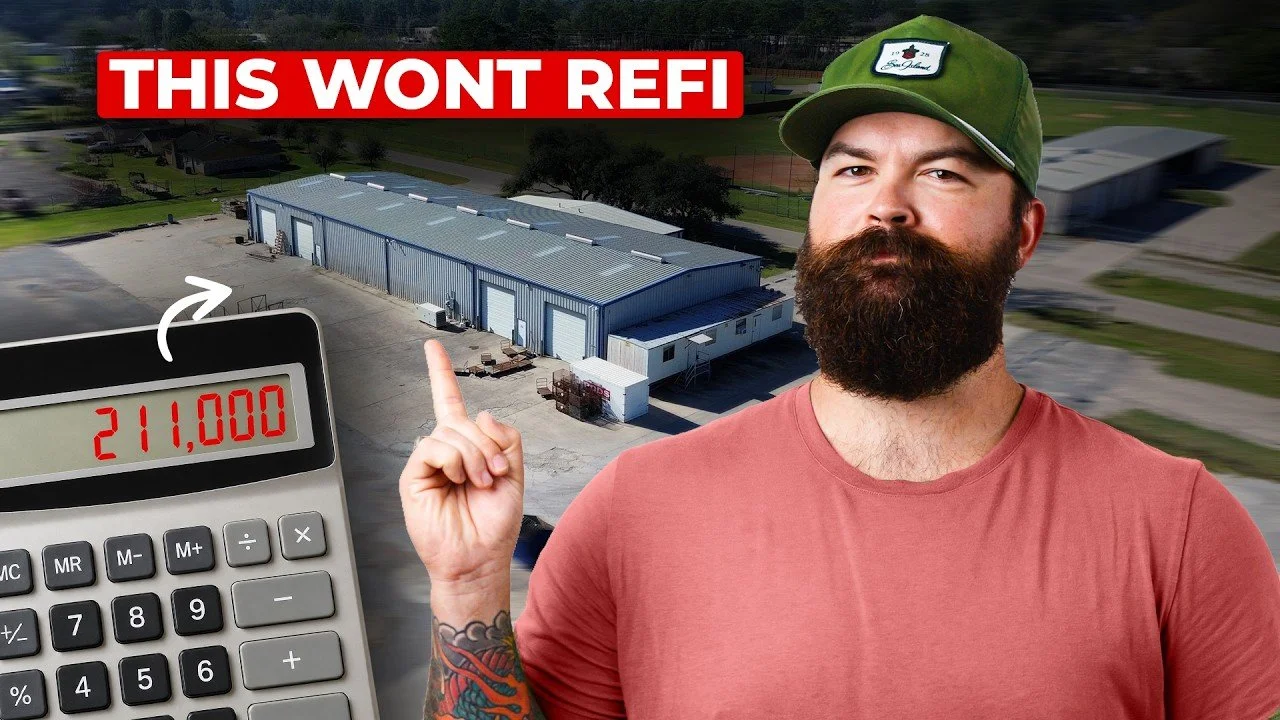
Your commercial real estate loan matures in 18 months. Now what?
Unlike a residential mortgage, most commercial loans don’t give me 30 years to pay them off. I’m typically working with a five-year term, which means at some point I have to refinance, sell, recapitalize, or figure out another way to handle that remaining balance.
And I’m actually going through this process on one of my own deals right now.
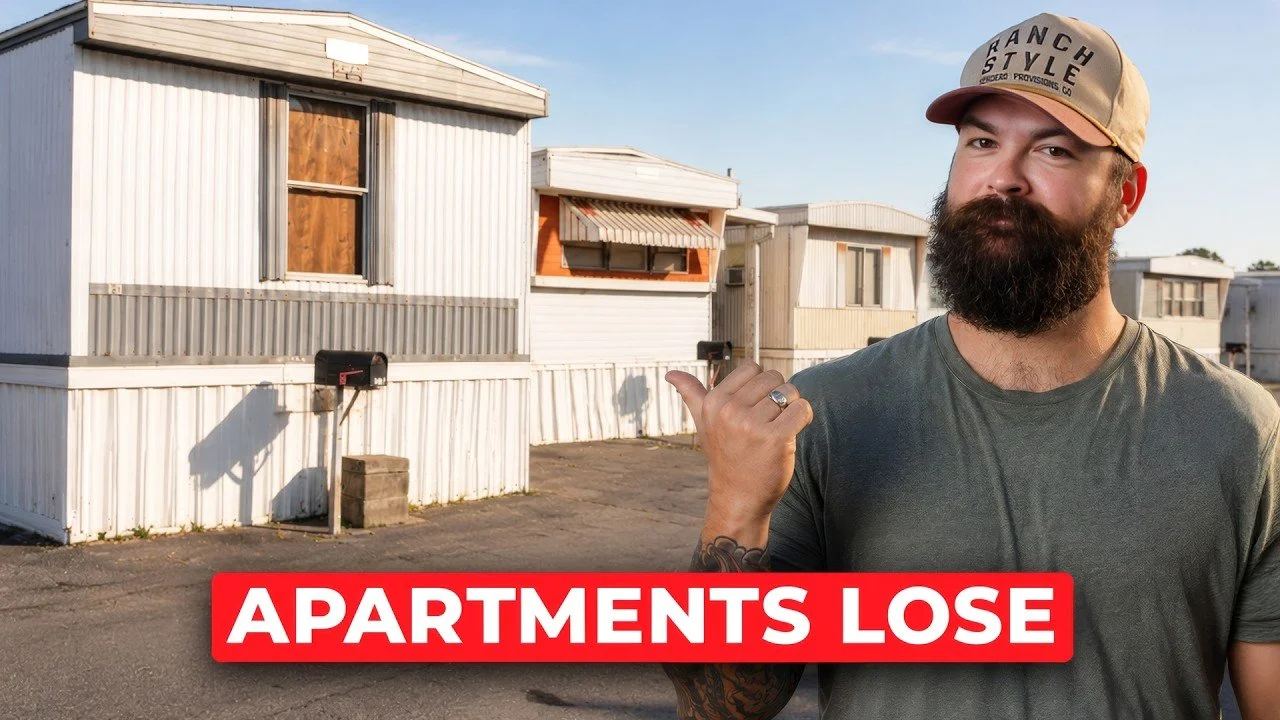
Everybody in commercial real estate is fighting over the same apartment buildings at 5 caps. Frank Rolfe went the other direction and built one of the largest mobile home park portfolios in the country out of the one asset class most investors won't touch.
Everybody in commercial real estate is fighting over the same apartment buildings at 5 caps. Frank Rolfe went the other direction and built one of the largest mobile home park portfolios in the country out of the one asset class most investors won't touch. The mechanics are nothing like apartments. You own the land, the tenant owns the home, and moving that home costs more than the home is worth, so almost nobody leaves. Average tenancy in a park is 14 years. That one detail is why investors love this asset class, and it's exactly what critics point at. We get into both sides, including the Waffle House quote that landed Frank on John Oliver.
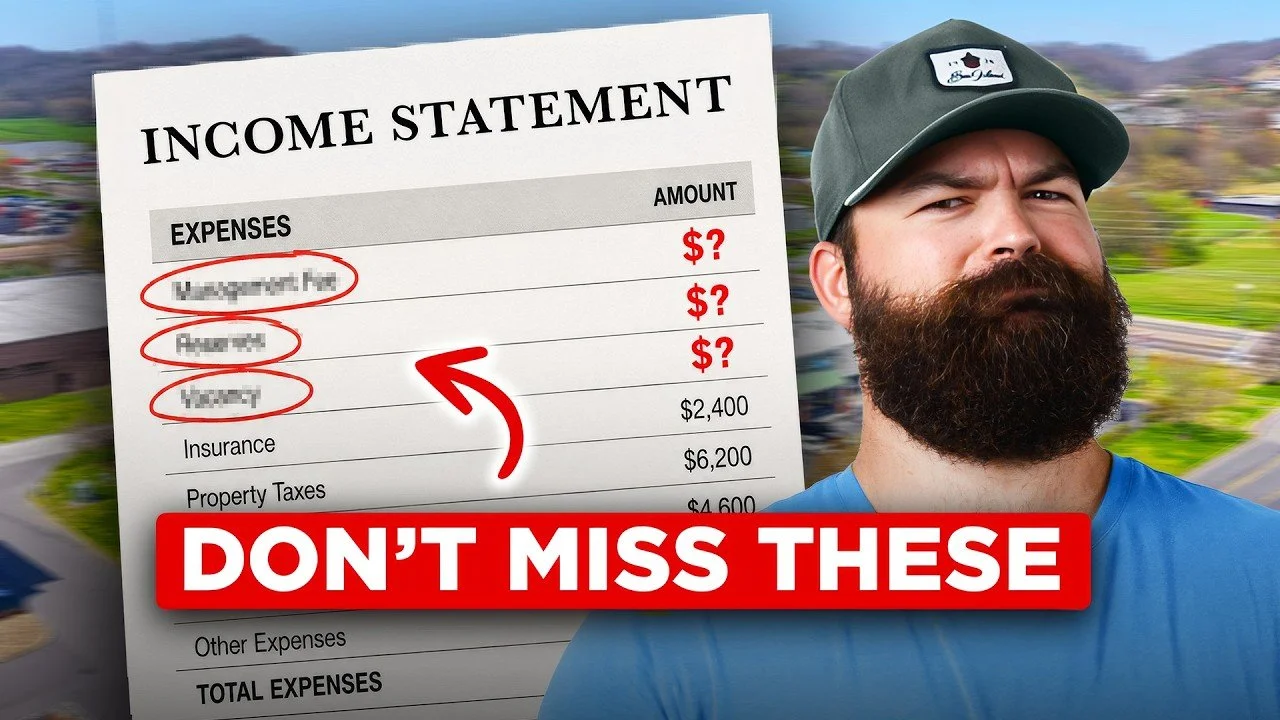
The seller’s numbers are only the starting point. In this Office Hours, I'll break down how to pressure-test a commercial real estate deal, spot missing expenses, and uncover what a property is actually worth.
We’ll cover management, reserves, vacancy, and the underwriting mistakes that can make an average deal look like a great one. Three missing line items can change the price by six figures. If you’re buying or underwriting commercial real estate, this is one you don’t want to miss.
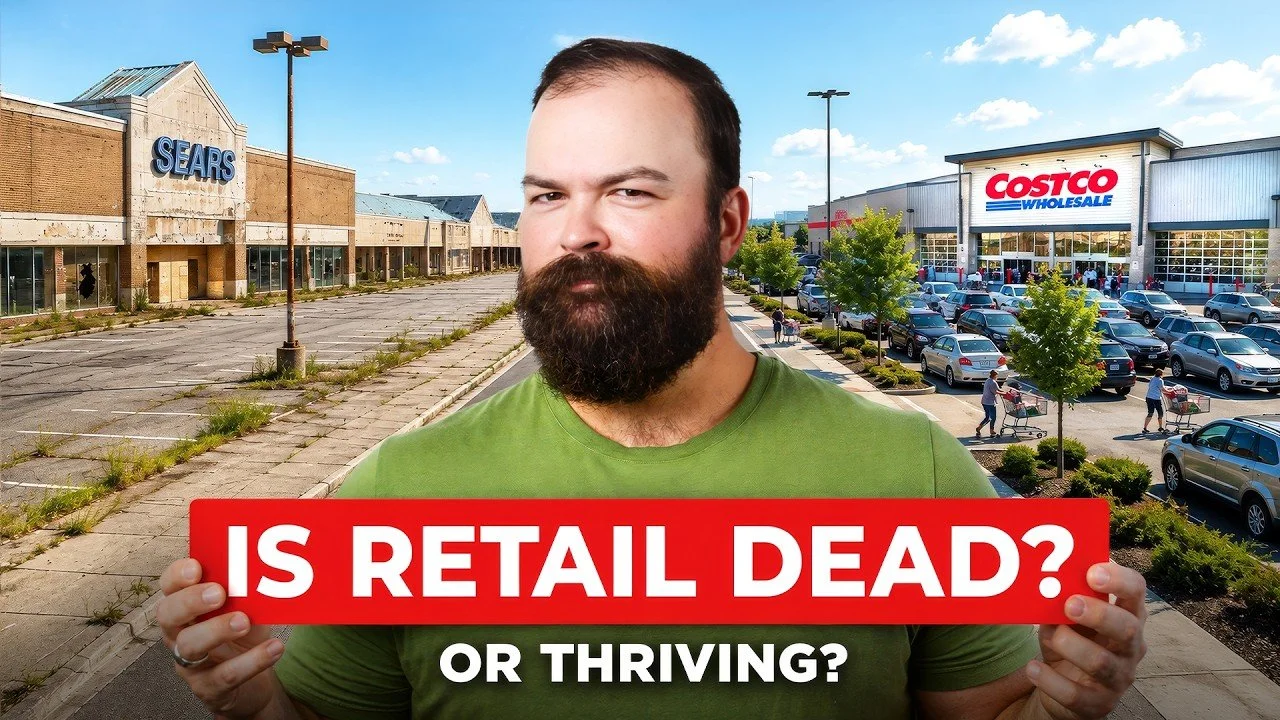
Retail vacancy just hit 4.4% (almost as low as industrial) and nobody's built meaningful supply since 2008.
So why does everyone still believe Amazon killed retail? James Cook, who runs retail research for the Americas at JLL, brings the actual data: the barbell economy hollowing out the middle, the tenants that should scare you on a rent roll (and the ones that should make you pay more), Chick-fil-A's site-selection playbook, and the one number that tells us in 12 months who was right.
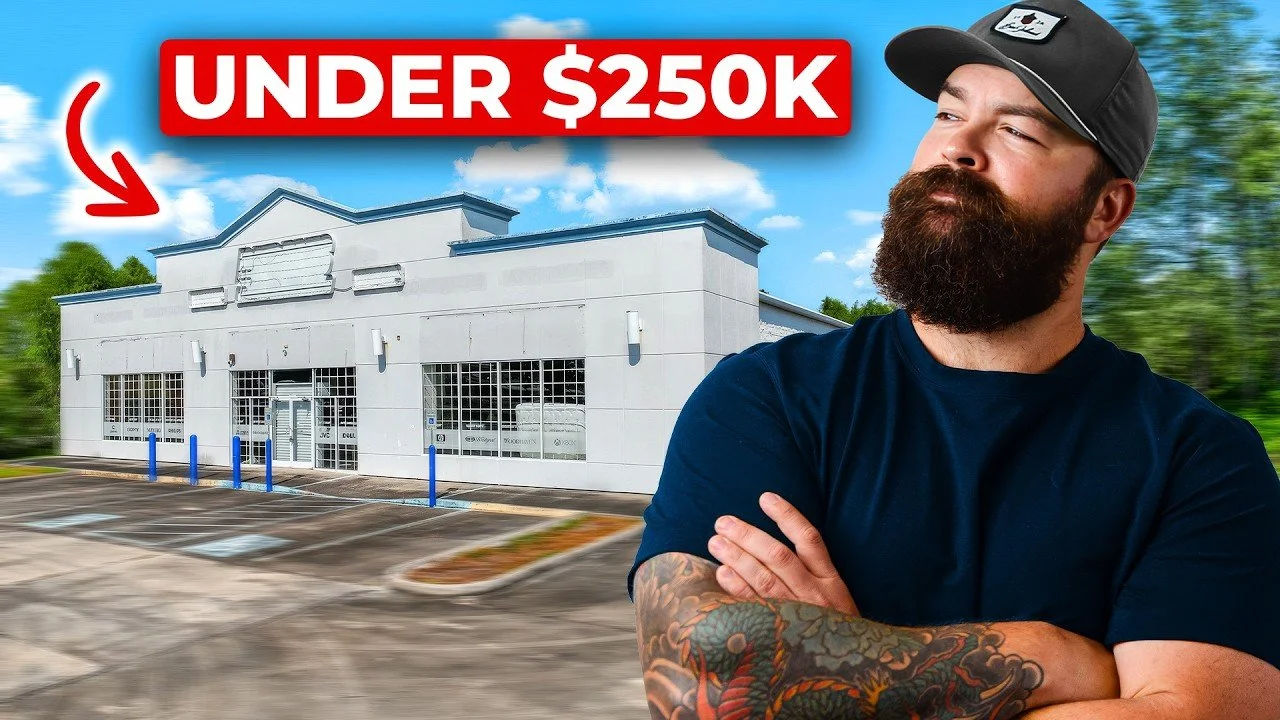
Six months ago my team started testing a piece of software inside the Accelerator Mastermind to kill the spreadsheet for good. This week I turned the cameras on and ran it live, on air, to find and underwrite a real commercial deal for under $250,000.
Thirteen years ago I was leasing space for a landlord who paid me almost nothing.
This week there are a hundred thousand of you in here. So instead of another deal breakdown, I'm compressing everything those thirteen years taught me into five lessons, one from each hat I've worn: broker, property manager, investor and developer. Real deals behind every lesson.
For decades, if you wanted to analyze a commercial real estate deal, you needed Excel. Hours of formulas.
Tabs on top of tabs.
A model you probably didn't even build yourself and definitely don't fully trust.
That era is over.
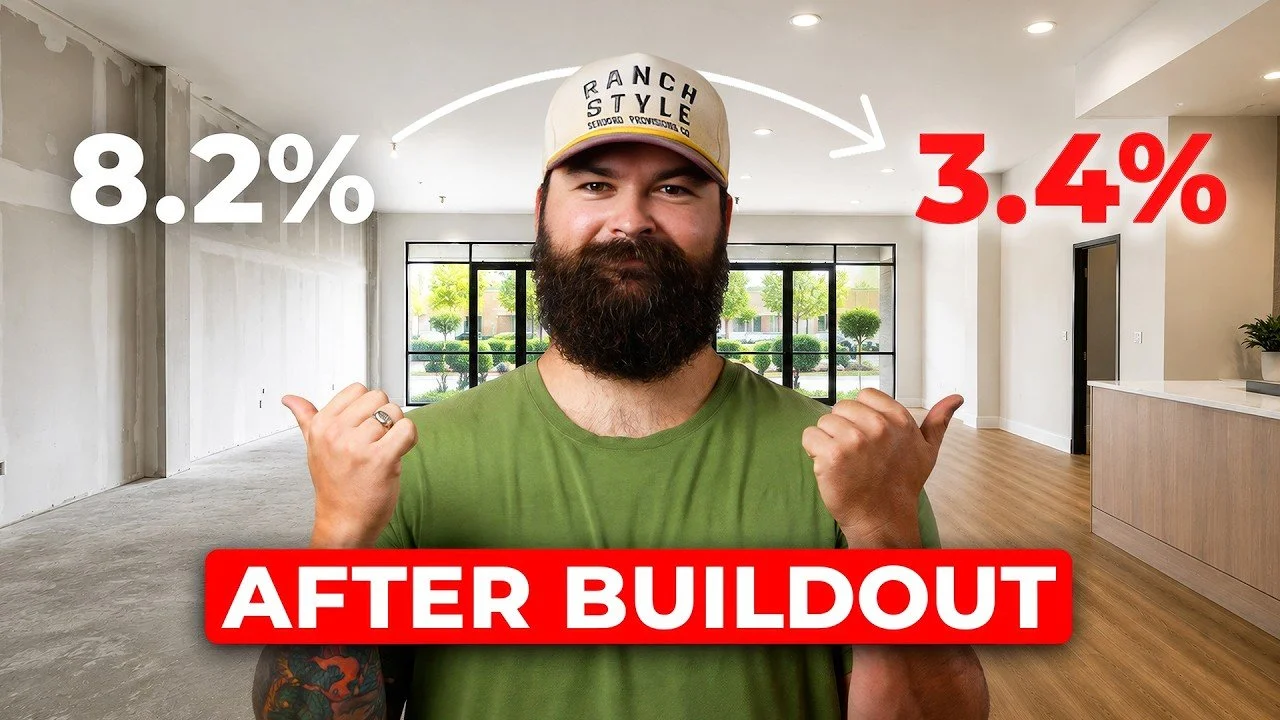
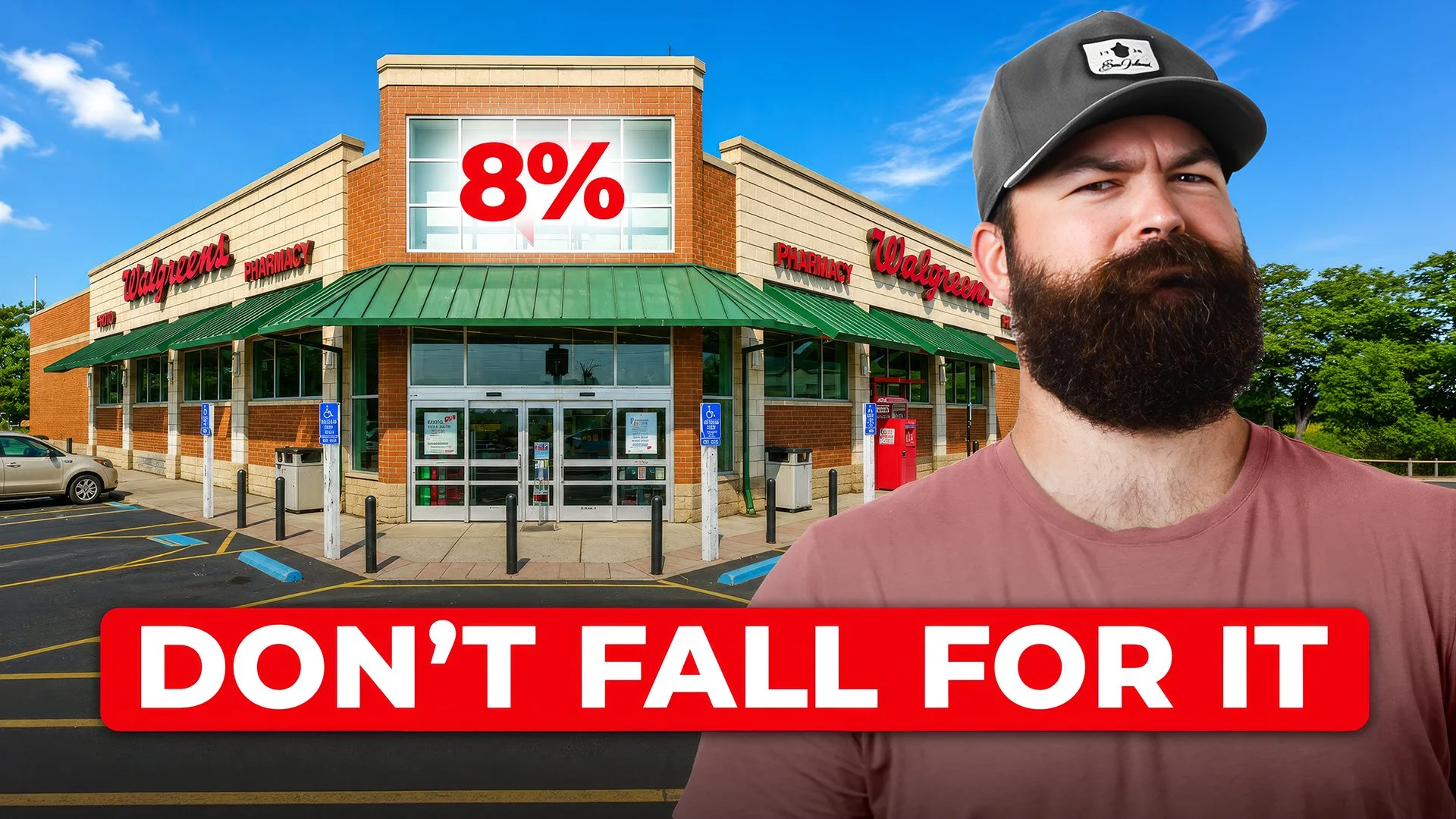
Everyone wants the highest cap rate. But what if that 8% cap rate is actually a warning sign? In this live session, we break down why experienced commercial real estate investors don't simply chase yield. Instead, they focus on understanding the risk behind the return and that's where most buyers get it wrong.
Your bank charges you 7%. Your equity investors are costing you 20%. Here's why that's not a mistake. If that math surprised you, this session will change how you finance every deal you do from here on out. This is the full recording of Capital Stack 101, one session from our most recent CRE Central Mastermind weekend in Nashville.
I break down the four layers of financing in every commercial deal, why the "cheapest" money isn't always the smartest money, and why the order you stack it in decides your returns as much as the deal itself.
Chick-fil-A spends millions researching a single street corner before they commit analyzing traffic counts, daytime population, growth trajectory, co-tenancy, and then they publish the answer for free. It's the restaurant.
About Your Host:
Tyler Cauble, Founder & President of The Cauble Group, is a commercial real estate broker and investor based in East Nashville. He’s the best selling author of Open for Business: The Insider’s Guide to Leasing Commercial Real Estate and has focused his career on serving commercial real estate investors as a board member for the Real Estate Investors of Nashville.

![140. What Is A Triple Net (NNN) Lease? [What They Are & Why They’re Different]](https://images.squarespace-cdn.com/content/v1/5c115fec9d5abbba78a23c93/1626966832916-AAND1LAQNB49RUP60GJ2/jason-dent-w3eFhqXjkZE-unsplash.jpg)