
13 Years of Commercial Real Estate in One Livestream
Thirteen years ago I was leasing space for a landlord who paid me almost nothing. This week there are a hundred thousand of you in here. So instead of another deal breakdown, I'm compressing everything those thirteen years taught me into five lessons, one from each hat I've worn: broker, property manager, investor and developer.
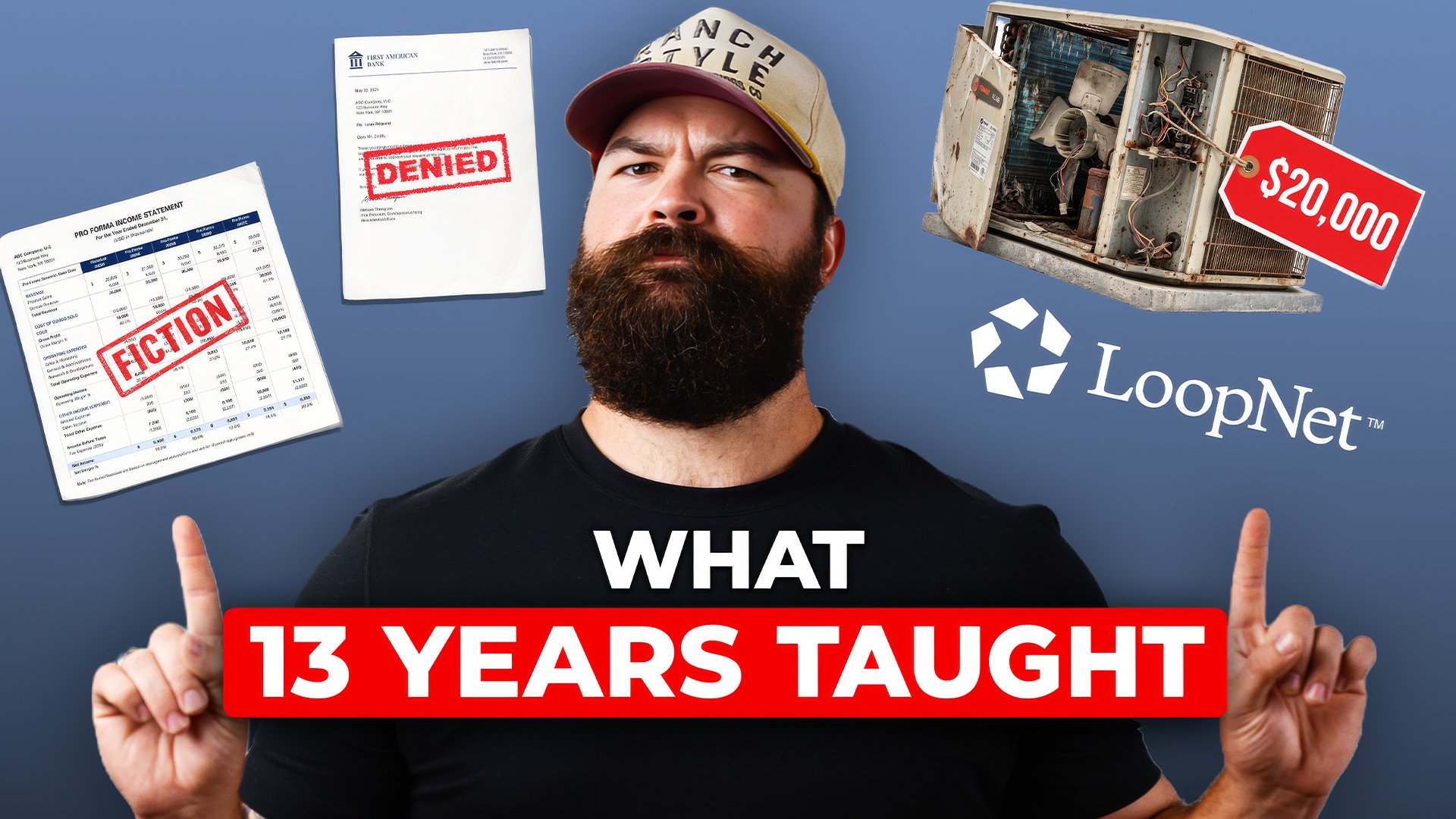
Real deals behind every lesson. The first building I bought at 25 (listed at $750K, closed at $575K, then made every mistake in the book, including a $20,000 HVAC surprise and twelve months of vacancy on a six-month projection). The unsexy asset that went from $618K to $1,575,000 in eighteen months. The 50 banks I pitched to get one yes. The blog post I wrote in February 2020 calling a corridor at about $1M an acre that trades around $2.5M an acre today.
And I'm holding the best part for the end: if I had to start over at zero today with no money, no network, no name and the exact four moves I'd make, in order. That's the last ten minutes. Stick around for it.
Get commercial real estate coaching, courses, and community to jumpstart your investment journey over at CRE Central: www.crecentral.com
Key Takeaways:
Get paid to learn: start near deal flow (brokerage, lending, property management) so you’re learning on someone else’s dime while seeing how real deals are structured.
Buy “boring” assets: unsexy deals (industrial, parking lots, dirt, old car washes) often have less competition, better entry pricing, and strong cash flow and value-add potential.
Buy right and in the path of growth: even with mistakes (bad pro forma, surprises, longer vacancy), deals can work if you buy well in emerging corridors before they “pop.”
Embrace “no”: lender and investor rejections don’t mean the deal is bad—just not a fit for that party; persistence to the next lender/partner is part of the model.
Build the base: focus on relationships, reputation, management excellence, and public storytelling about your projects—this foundation drives long-term deal flow, capital, and opportunities more than any single property pick.

About Your Host:
Tyler Cauble, Founder & President of The Cauble Group, is a commercial real estate broker and investor based in East Nashville. He’s the best selling author of Open for Business: The Insider’s Guide to Leasing Commercial Real Estate and has focused his career on serving commercial real estate investors.
Tyler Cauble 0:00
All right. So over the 13 years that I've been in commercial real estate, I have worn three different hats. I have been a broker, I've been a property manager, and I've been an investor and developer. So there are big lessons that I feel like I can share with you guys from all of those different experiences that hopefully will help you all as you are moving into doing your first deal, or doing your fifth, or doing doing your 20th. And at the end, I'm going to give you guys my my starting over playbook. If I if I knew all of this now, what would I be doing differently if I was starting all over? So here's what I believed in year one, back when I was just a wee baby little broker getting started. It was 2013. I was sitting at the leasing desk and the boutique development firm that I was working for, and I was 100% convinced that that these four thoughts were were 100 true. One, the best deals are on the listing sites. See, my my only experience with real estate in general had been mostly on the residential side, like most of you. And so, if you're coming from the residential world, the MLS is the end all be all. Everything is on the MLS, and that's just not even remotely the case when it comes to commercial real estate. And I figured, okay, well, to find the best deals, you've just got to go through and search harder than everybody else searching through the same site. So you've just got to, you know, spend more time looking at these deals than anybody else. The other thing I thought too: banks decide when you are ready, right? I didn't really have a whole lot of experience with commercial lenders, especially because my my bosses at the time kind of kept me out of those conversations. But I thought that a no from a lender meant that the deal was dead, that it wasn't a viable deal, it wasn't something that could be funded, and you know it's time to drop that deal and move on. Three, I figured you needed a lot of capital to start, big capital, as we like to call it, which meant that I was going to have to save a ton of money someday. I would have enough saved up to be able to invest, and unfortunately, with life, that someday kept moving forward and moving forward. And then four, I always thought the sexy asset wins. You know, you you drive past these shopping centers and these malls and these massive apartment complexes. You think, yeah, that's what I want. Nobody drives their friends past a vacant parking lot, and there's a lot of money to be made in all of that. And so, I'm going to run you guys through what really changed on all of these. So here's what that cost me going into commercial real estate investing with those beliefs. So I was a broker for four and a half years before I started buying my own properties. I started developing about two years into it, but I didn't actually start raising capital from investors and buying investments until about four and a half years into the business, so you know, I thought that my first pro forma. Well, I didn't think that. This is what it cost me. My first pro forma was fiction. It was a totally made up pro forma. My I essentially had best case assumptions on every single line, and didn't take into account so much of the actual information that we take into account today. It's hard for me to even fathom the fact that the deal worked out. One, two, that investors gave me $100,000 to do that deal. It was a small deal. It was 575 grand. But three that it worked out, right? I know I said that, but like it's still a huge surprise to me because, I mean, looking back on that underwriting, and I think this is a big takeaway for you guys. Like my underwriting was wrong in every single way. I mean, it was right. Like I knew, like we ended up getting the target rent that I wanted, but there's so much that I didn't account for. There's so much that I missed, and it still worked out just fine, you know. So just do the deal.
Tyler Cauble 4:05
Two, we had a $20,000 HVAC surprise on that property those like two months after closing, which is always how it happens. It always inspects just fine, everything's good, and then all of a sudden you have you know this massive AC unit go out that requires a crane to get in there to replace it because of how it's placed within the building, and a whole crew has to come in there and disassemble it. It's just a total mess. It cost us 20 grand. I kid you not. It was insane. We also projected on that first deal for six months of vacancy. I figured, oh, I'm a broker. You know, I'll be able to get out there and hit the streets and find somebody. It took us nearly 12, and again, the kicker of it all-it still worked because we bought right. Like that-that's I think that's a huge lesson out of all of this. Is like, man, I in my first deal, I got almost everything wrong, right. Fortunately, we had a line of credit to cover the HVAC surprise, so I didn't have to come out of pocket. My partners didn't come out of pocket because we had that line of credit. We were able to cover the six months of vacancy, right? Additional vacancy that we had, so we didn't have to worry about that. It still worked because we bought it right. I got it for $97 a foot vacant, fully renovated. Obviously, apparently, except for the HVAC unit, fully renovated, and the deal still worked out. We ended up selling it a couple years later for 750,000, give or take. So, lesson number one that I think is is so so so so important. It doesn't matter if you're just getting started, or if you're transitioning from residential real estate, or you have another career. Get paid to learn. The broker years, and I'm still a broker to this day. I still handle a few listings and investment sales out of Nashville here. I got paid to learn by brokering deals, so when I started in 2013 as the leasing agent, I mean I was getting paid almost nothing, but I was still getting paid, and I had a front row seat to all these deals, so I was there in the conversations. I didn't have the money, but I was able to be in the at the table. I had a seat, it might have been you know behind everybody or at the side, but I was at the table in the negotiations, seeing how people were putting all of these deals together, and that was an invaluable way to learn. My first buy also came from my own client, like as a broker. The first deal that I bought came from a client that I was representing to on the purchase because they went out and they found this deal and they ended up not being able to close it because they didn't have the cash and so then we assigned it to another buyer because I was like dude I'm going to get paid like a 17 or $18,000 commission on this I got to get this closed I need that money so we assigned it to another another buyer and he ended up not being able to close it either. He couldn't get his financing, and so at this point, I've been working on the deal. I said, "You know what? Just assign it to me. I'll figure it out. So it was listed for $750,000. We bought it for 575, and I was I was 25 years old at the time. We got a $460,000 loan. I had $100,000 from two investors, about $18,000 of my own cash, and then we got a $120,000 line of credit on that deal, and which you know really helped cover all of our costs going through the lease up and going through the HVAC, all of that fun stuff. But the biggest thing there is that I got paid to learn as I was doing the deal. Lesson number two: Buy the unsexy asset. Like, yeah, okay, the shopping centers and the multifamily apartment complexes look really cool, and they seem to make a lot of money. But you know what? They're also unbelievably expensive. You have an incredible amount of competition there, and the unsexy assets make a lot of money. Nobody brags about them.
Tyler Cauble 8:00
That's why you probably don't know a lot about it, but like think about all of the industrial guys. You know, 10 or 15 years ago, that used to be kind of the the neglected side of commercial real estate. Those guys have made a ton of money, a ton of money. Parking lots. I've got a buddy down in Texas, Ron Rudy, whose whose parking lot clears $30,000 a month with margins of about 60 to 70% a parking lot. They didn't have to maintain a building. He's got a building on it, but you basically have a gravel lot with fencing, and you're just leasing to truck drivers or whatever. Dirt. I bought a a parcel here in Nashville for $618,000 with a partner. We rezoned it and flipped it for 1,000,005 75 within three years. I mean, run the math on that. That's, I mean, not a bad deal whatsoever, right? That is boring land, you know. A phenomenal exit. We ended up 1031 exchanging that into a self storage facility and crushed it on that one, and then abandoned car washes. How many abandoned buildings do we see all the time that, again, aren't the sexy asset today, but you can get them at the at a very steep discounted price, which allows you to get in there, fix it up, and build the the build the equity into it. All right, boring is a feature when it comes to commercial real estate. Lesson number three: get out there and collect all the no's. I actually learned this one when I had my first sales job when I was 18. But every no puts you that much closer to a yes. Salt Ranch Hotel, our our hotel that we just opened up here in East Nashville, which hey, if you're ever coming to Nashville, check us out. We'd love to host you. I pitched 50 lenders on that deal. I kid you not, and my CFO actually told me it was more than that, but 50's the number that I've always used, so we'll keep it at that. She says it was closer, like 74 or 75. Either way, it's a lot, right? So it was the same pitch every time. Went to 49 lenders. Every single one of them said no. Almost every single one of them said we would do this if you flagged the hotel, which means it would have to be branded, right? Not boutique. It would have to have a Hilton flag or a you know Red Roof Inn or whatever, for whatever reason, bankers think that that actually means that the the deal is going to be more secure, which isn't necessarily true. It doesn't always make more money just because of that. So 49 said no, but one said yes, and that's all that matters. We still got the deal funded, and now it's open. I mean, we you know we're selling out on weekends now. Like it's an incredible success. Really cool to see. We've got like a pool club and all of this stuff. Like the vision came to life. 49 people said no to that vision. All it took was one. So the deal was fine. It wasn't the fact that the deal was a bad deal. Not every deal is going to be a fit for every lender that you talk to. Not every deal is going to be a fit for every investor that you talk to. Not every deal is going to be a fit for every tenant that you talk to, and that's okay. That's the beauty of this business. Get out there and call the next one. Lesson number four, and this one has made me probably the most money out of any of these lessons over the years, buy in the path of growth. So if you like, act like you're a broker. If if you are looking at Nashville and you're starting to see, I mean, even if you're an investor, there are some corridors that are so expensive now that it's cost prohibitive for you to jump into as an investor, right? But there's always going to be a corridor that's in your city that you kind of look at it and you're like, you know, it doesn't really make sense that that corridor hasn't taken off, right? If I look at all the other corridors, they're all expensive. They all have a ton of traffic.
Tyler Cauble 11:58
This this corridor has a ton of traffic, not a lot of investment on it. It's got good accessibility. It goes right into downtown. And in February of 2020, I called it on my blog. I wrote it back then. I said, "Look, Dickerson Pike is the most underrated corridor in Nashville, and it's the most overlooked as well. And I had pitched so many investors and developers on why they should buy on Dickerson Pike, and every single one of them, for the most part, said pretty much the same thing: "Hey, it's too early. It's too early. It's too early. And here's the biggest lesson for you to take away from that: If it's not too early, it is now too late. When I wrote that blog post in 2020, land was going on Dickerson Pike for a million to $1,250,000 per acre. Here we are four years later. Now this is four years at the time, right? So 2024, Oracle announced the Titan Stadium was announced. All these apartment complexes started going up. There was residential everywhere. Land is now about two to two and a half million dollars an acre. If you had just bought land and did literally nothing back in 2020, you could have flipped it and and you know sold it for twice what you bought it for. And that's where we built our hotel. That was one of the biggest things that helped us as we were going through that. Is that even while it took you know we had construction delays on the hotel, very obviously. If you guys you know go back and watch any of the videos we've done on that, we got delayed like two years for permits with Nashville, which is total nightmare, totally different story. But the land kept going up in value while we were sitting there holding it, so it actually worked out really well for us, and then you know there's another corridor here in Nashville called you know or neighborhood called Rivergate, kind of around the Madison Goodletsville area, and you know we had been buying up in that neighborhood for a while as well because I kept looking at it and I kept going, gosh, this neighborhood is, you know we're 15 minutes from downtown Nashville that's closer than Green Hills, which is like if you're not familiar with Nashville, is a very expensive neighborhood on the other side of town. So you've got better connectivity here. You can get to the airport faster. You can get to downtown faster, and everything's far more affordable. Like this is going to pop off. So we started buying stuff up there and got it at incredibly good prices. I mean, I like we bought a shop, a 330,000 square foot shopping center for $18 million back in 21. That if it was on the opposite side of the river, equidistant from downtown, probably would have cost 60. Like I'm not even exaggerating. It probably would have cost $60 million more, maybe more, and you know, of course, you know here in the past couple years up in Rivergate, some big announcements have been been made where development groups are coming in, they're tearing down the old mall, they're completely redeveloping it, putting hundreds of apartment. Units, you know, they just put an in and out there. They're doing all sorts of new retail and residential development in this area, and that's going to substantially increase the value of my properties because we're adjacent to it. So I get to win because all of this new development is coming in, and you have to think on these like more established corridors how often a neighborhood changing project comes along, right? I mean, at this point, like there's nothing that could be really done on Broadway that's going to just substantially increase the value of all properties on Broadway. Now, of course, properties on Broadway are going to continue going up. It's Broadway. You see a ton of tourists, but there's nothing that can come over there. It's just going to be like, oh my gosh, this is unlike it has ever been before. Whereas it can happen in these emerging corridors, emerging neighborhoods. So buy in the path, and then lesson five: just build the base. Focus on building the base.
Tyler Cauble 15:57
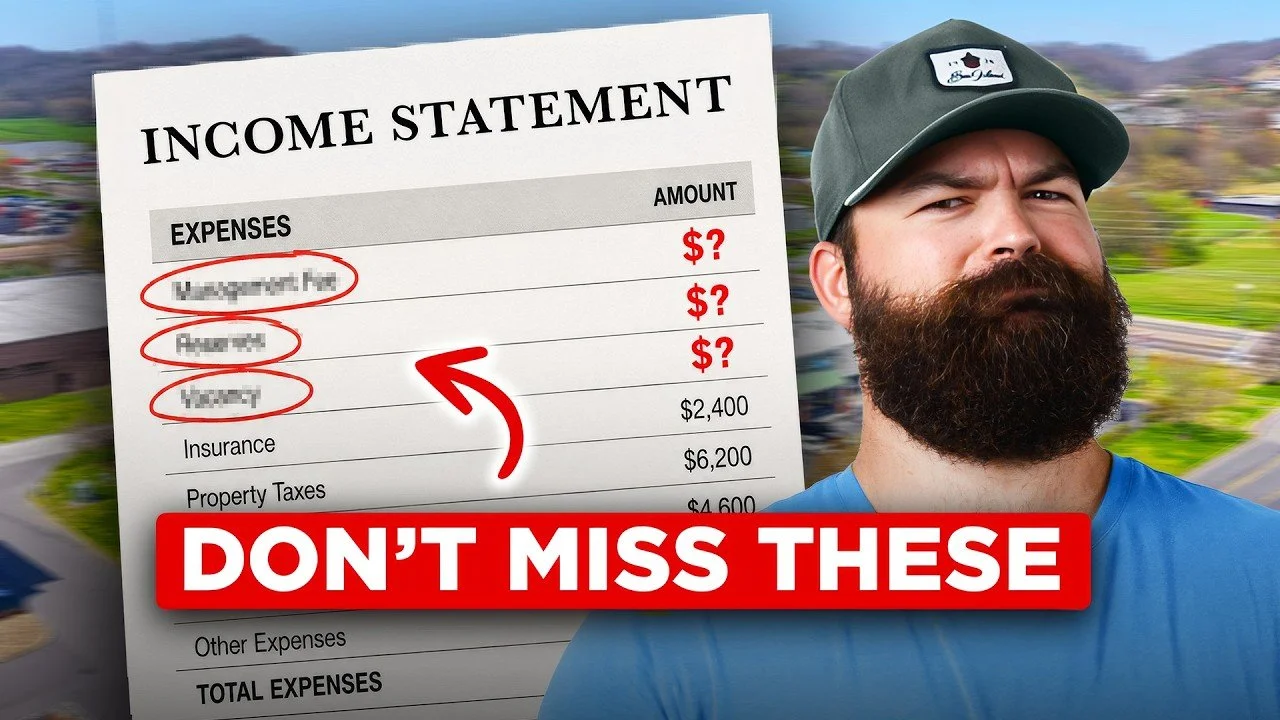
I talked to too many, too many investors that are way too focused on just doing their first deal, like at all costs, which is a very risky way to approach commercial real estate. I think it's more prudent to spend your time learning and meeting people for a year or two years before you just dive all in on everything, like even when we expanded to Chattanooga a few years back, I spent two years studying that market to make sure that I fully understood it, met all the people. So, like with my investors, I spent time curating that list and getting to know them. Like they know how we operate. It's typically a 7030 to 8020 split with a preferred return. We don't do waterfalls. That's it. You get a preferred return, and then it's an 8020 or 7030 split, whatever that ends up being. All right. We also manage our own buildings. So property management taught me what pro formas never really show, and that's that the way that you manage a property can really, really, really substantially impact how much money you're going to make at the end of the day. Because if you're not going ahead and knocking out some preventative maintenance, or if you're you know not bidding out your contracts for landscaping every year, every couple of years to make sure you're getting the best price, every dollar that falls to the to the bottom line increases your NOI, which on a cap rate basis increases the value of the property. Management is so so important. Spending time focusing on that base also, you know, allowed me to build up relationships. And the last five deals that we have done have all come from relationships. Let that sink in, not from listings, not from platforms, people who knew the type of work that we did, people that knew you know that we had a reputation for closing deals. So, you know, if you read all all of those again, if you go through all five of these lessons that I just walked you through, not a single one of them is about how you pick buildings. It's all about your approach. It's all about your reputation. It has nothing to do with actually picking the right buildings, and that base, that foundation that you are focused on building, is what helps propel you into this next stratosphere, right? When you are actually getting ready to go out and do these deals. If I was starting over at zero today, like knowing those five lessons now, and I had no money, no network, no name, this is exactly what I would do. So first, get near deal flow. That doesn't necessarily mean that you have to be a broker. Maybe you get into lending. Maybe you get into property management. Find a way to get paid to see these deals getting done. And maybe you don't need to get paid, but find a way to be at the table. Then just get near the deal flow. See how other people are actually structuring these deals and pulling them off. Then buy the boring deal, the smaller deals, the unsexy deals, they're cash flowing with a simple structure from day one. It doesn't have to be this crazy elaborate deal where you know, oh, I've got all of these investors coming in, and we've got all these waterfalls, and we're going to do this and that, and you know, we have seven phases that we're trying to do. Like, yeah, of course, build up to that at some point. I've got a deal right now that I think we've got eight or nine phases in it. I didn't start that way. It was one deal that was vacant that we put two tenants into that I didn't even have to renovate because it was already renovated. Buy the boring thing. Then pick a corridor and stand in it. Get to know that street or that neighborhood better than anybody else. Every deal that you will do in there will positively impact your next deal. And once you've created this this center of mass, the center of gravity, you start to pull more investment towards you, which then starts this flywheel of benefiting you and your projects every single. Time anything happens on that corridor, and if you buy in the right path, you have the opportunity.
Tyler Cauble 20:07
I'm not going to guarantee that this is going to happen every time because it certainly doesn't. But you have to understand how to look at corridors to make it happen. Like Dickerson Pike in Nashville is not the only corridor where you know land values doubled in a four-year period. It happens all over the country, and again, maybe it's not double. Maybe it's 50% But again, imagine buying land and sitting there for a few years, and it goes up 50% in value, and you didn't have to do anything. That's all from the power of picking the right corridor, and then the whole time, build it in public. You know, you don't have to do this in a silo, and that that doesn't mean like go become an influencer and share every single thing about your day. But because I have you know shared our projects, because I'm very vocal about the wins and the losses, like you guys know all the bad stuff I've been through too. You know, I don't hide any of that from you. All of that builds a story. It builds up a reputation. It shares with people how I approach my deals, which has led to people wanting to jump in and invest in deals with me. Has led to people hiring me to consult them on their deals. It has led to our starting the commercial real estate accelerator, the mastermind, where I've you know we've got over 160 members at this point where I'm teaching them how to go out and do their own deals because I decided to build it in public. But the big thing there too, I've bought deals because of Instagram posts, just because I was out there putting myself out there on this free platform where I can have this reach. We've bought deals because I said, "Hey, I'm going to Chattanooga and I want to look at deals. Send me some deals. It is all entirely possible, and because of that, we've had phenomenal partnerships. We've had great banking relationships, all because I was willing to just share what we are doing. If people don't know what you are doing, how are they going to know to give you money to invest with you? If people don't know what they are doing, how are they going to know what deals to bring you? What's what you're actually looking for? So there you have it: 13 years of commercial real estate experience compressed into what has it been? 20 minutes, 30 minutes, and you know those are my biggest takeaways. I mean, I just sit here and I reflect back on you know what all has has transpired over the last decade, and as you know, we're three years into a new decade of being in commercial real estate, and what I'm focusing on, and those are the five key areas that I'm still focusing on to this day because they return dividends. Like, yeah, you can go out and find deals by cold calling all day. It works. I got to tell you, it's not. But that stops paying you the second you stop doing it. Same with mailers. But relationships, if you build good relationships, it'll pay you for the long run. Also, guys, we are at like 99,750 subscribers at this point, which is just absolutely wild to think. You know, when I started this channel six years ago, that nearly 100,000 of you would would be here following along for the commercial real estate content and just learning more about commercial real estate. So I wanted to say thank you. Pretty wild that we're at this major milestone, about to cross the 100,000 subscriber mark, but it's pretty cool. And so I want to ask you guys. You know, we've created a lot of content. We've got over 750 videos on this channel now. Would love to hear from you guys in the comments. What what would you like to know more about? What what have I not taught you yet that you guys would like to know or you would like to see? What more would you like from me? You know, we've got these in person events that we've started up that we are now opening up to the public, so we we have tickets available for those. That information is is you know it will be available here soon for our next event.
Tyler Cauble 24:02
I love hanging out and meeting with you guys, so these are always fun with me from a live streaming perspective to be able to come on here and share that information with you guys. So Didi is saying keep points. I'm not sure quite what that means, but yeah, let's let's keep all the points. Luke, what's going on, dude? He's saying let's get some golden nuggets of knowledge. Cherry. Good morning. Good morning, Cherry. Good to see you. Costner commercial saying good morning. Jason is saying good morning. Good morning, guys. Jason saying I can attest that Tyler is legit. Jason, you're the man. I appreciate that, dude. Anyways, appreciate you guys. Thank you all for joining me on this week's office hours. We go live every single Tuesday, 830 a.m. Central Standard Time, teaching y'all more about commercial real estate so that y'all can get out there and be doing this. If there's ever anything I can help you with, drop it in the comments. That's what these live streams are for. Appreciate y'all's time today, and I'll see y'all in the next one. This episode of the Commercial Real Estate Investor Podcast is brought to you by my CRE Accelerator Mastermind, where you'll get access to my step-by-step investment blueprint, essentially a library of resources on how to invest in commercial real estate. You'll get connected to a supportive community of other commercial real estate investors that are doing projects just like you. You'll get personalized coaching and feedback from me every step of the way. Go to www.crecentral.com to learn more.